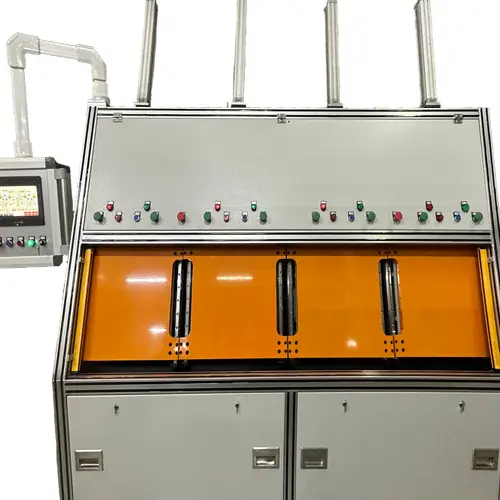
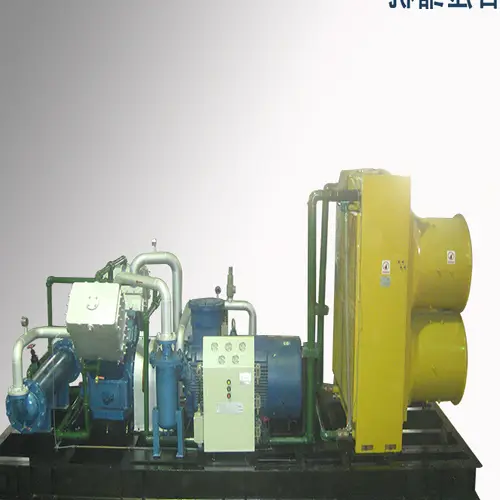
China Best Oil Free Booster Hydrogen Compressor Portable
Product Description
Product Descriptions: The Hydrogen compressors manufactured by ASC Compressor Factory are oil-free lubrication reciprocating piston compressors developed in collaboration with the German company CHINAMFG DEMAG. These models are known for their low energy consumption, minimal noise, reduced vibration, high reliability, and easy operation.
Each unit primarily consists of the compressor mainframe, electric motor, common base frame, air system, cooling system, lubrication system, instrument control system, drainage system, and electrical system. All components are generally installed on a single common base frame, which is then mounted on a concrete foundation, making it a fixed-type gas station. The connections between the equipment and the fixing points to the base are detachable, making transportation, installation, operation, and maintenance extremely convenient.
As a specialty gas compressor, this model can also compress gases like helium, natural gas, LPG, associated petroleum gas, hydrogen, argon, ethylene, propylene, propane, chloromethane, chloroethane, ethylene oxide, perfluoroethane, carbon monoxide, ammonia, dimethyl ether, carbon dioxide, and coal gas. It’s widely used in industries like petroleum, chemical, fertilizer, metallurgy, industrial gases, fuel gas, food, and more.
Advantages: Our products, incorporating technology from Germany’s CHINAMFG Demag companies, exhibit high reliability. Wearable parts like gas valves and piston rings use products from Austria’s Hoerbiger company, with a lifespan exceeding 8000 hours. The system supports soft starting, allowing frequent start and stop cycles for the compressor. It features a wide intake range for broad adaptability. The overall skid-mounted structure results in low noise and is easy to install in urban areas, leading to investment savings.
It is equipped with a CHINAMFG PLC control system for high automation, ABB soft start (or variable frequency), and features automatic shutdown with audible and visual alarms in case of faults.
Product Parameters
Model
Flow m3/h
Inlet Pressure (Mpa)
Outlet Pressure (Mpa)
Weight (Kg)
Power (Kw)
VW-6/16-24
360
1.6
2.4
2600
110
VW-6/(0-1.62)-(5-21)
360
0-0.162
0.5-2.1
2350
75
WW-26.7/0.5-10
1602
0.05
1
4500
250
DW-2/0.2-16
120
0.02
1.6
1500
22
WW-3/8
180
normal pressure
0.8
1500
22
FAQ
Q: Are you a factory?
A: Yes, we are indeed a factory. We specialize in manufacturing high-quality Air/Gas Compressors and are proud to be a primary source for these products.
Q: How long is your delivery time?
A: It varies depending on the specific situation. For our standard configuration compressors, the delivery time is around 30 days. For customized compressors, it usually takes about 30-45 days.
Q: What technical support do you offer?
A: We offer comprehensive technical support to our clients, including remote assistance for installation and commissioning processes. Additionally, we have a team of seasoned engineers ready to
All the content of this page is from the Internet. The content is only for reference for product selection. Our products are replacement parts and not original spare parts. We are not the holder of the original trademarks of the content. Our products are only suitable for after-sales replacement parts and not original spare parts. Our replacement parts can be perfectly adapted to the original spare parts. If you need to buy original spare parts, please contact the original factory to buy. If you want to buy original spare parts, please contact the original supplier for purchase.
Performance Characteristics of Hydrogen Compressor
High Compression Ratio
The hydrogen compressor is designed to achieve a high compression ratio, allowing it to effectively compress hydrogen gas to the desired pressure level. This ensures efficient storage and transportation of hydrogen gas.
Low Noise and Vibration
Hydrogen compressors are engineered to minimize noise and vibration during operation. This is essential in various industries where noise and vibration can cause disruptions or safety concerns.
Reliable Operation
Hydrogen compressors are known for their reliability. They are built with high-quality components and undergo rigorous testing to ensure smooth and trouble-free operation, even in demanding environments.
Energy Efficiency
One of the key advantages of hydrogen compressors is their energy efficiency. They are designed to minimize energy consumption while maintaining optimal performance, resulting in cost savings and reduced environmental impact.
Types and Characteristics of Hydrogen Compressor
Piston Compressors
Piston compressors are commonly used in hydrogen compression due to their ability to achieve high compression ratios. They are reliable, compact, and suitable for a wide range of applications.
Diaphragm Compressors
Diaphragm compressors offer excellent leak-tightness, making them ideal for handling hydrogen gas. They are often used in industries that require high purity gas or where contamination must be avoided.
Screw Compressors
Screw compressors are known for their high efficiency and low maintenance requirements. They are capable of handling large volumes of hydrogen gas and are commonly used in industrial applications.
Advantages of Hydrogen Compressor Made of Different Materials
Stainless Steel Compressors
Stainless steel compressors offer excellent corrosion resistance, making them suitable for applications where hydrogen gas may contain impurities or corrosive elements. They ensure long-term reliability and durability.
Titanium Compressors
Titanium compressors are lightweight yet highly durable. They are ideal for applications that require a high strength-to-weight ratio and resistance to corrosion, such as in aerospace or marine industries.
Composite Material Compressors
Compressors made of composite materials provide a combination of strength, durability, and weight reduction. They offer excellent resistance to corrosion and can withstand harsh operating conditions.
Application of Hydrogen Compressor
Hydrogen Fueling Stations
Hydrogen compressors play a crucial role in fueling stations by compressing hydrogen gas to the required pressure for refueling hydrogen-powered vehicles. They enable quick and efficient refueling, promoting the adoption of hydrogen fuel cells.
Industrial Gas Supply
In industries that require hydrogen gas for various processes, hydrogen compressors ensure a steady and reliable supply of high-pressure hydrogen. They are vital for applications such as heat treatment, chemical reactions, and power generation.
Chemical Industry
Hydrogen compressors are extensively used in the chemical industry for processes such as hydrogenation, hydrotreating, and synthesis gas production. They enable precise control of hydrogen pressure, ensuring optimal reaction conditions.
Petroleum Refining
Refineries rely on hydrogen compressors for processes like hydrocracking and catalytic reforming. These compressors help in the production of cleaner fuels by providing high-pressure hydrogen for various refining reactions.
Power Generation and Energy Storage
Hydrogen compressors are utilized in power generation systems that involve hydrogen fuel cells or gas turbines. They enable efficient and reliable conversion of hydrogen to electricity, contributing to the development of clean energy technologies.
Future Development Trends and Opportunities
The future of hydrogen compressor products holds promising opportunities. As the demand for clean energy solutions increases, hydrogen is gaining significant attention as a viable alternative. This presents opportunities for further advancements in hydrogen compressor technology, including improved efficiency, reduced costs, and enhanced safety features.
The development of hydrogen infrastructure, such as hydrogen fueling stations and hydrogen storage facilities, will contribute to the growth of hydrogen compressor market. Additionally, advancements in materials and manufacturing processes will lead to the development of more efficient and reliable hydrogen compressors.
As hydrogen becomes a key component in decarbonizing various industries, the demand for hydrogen compressors is expected to rise. This opens up new avenues for investments and partnerships, creating a positive outlook for the hydrogen compressor industry.
Choosing a Suitable Hydrogen Compressor
When selecting a suitable hydrogen compressor, several factors should be considered:
Clear Requirements
Define the specific requirements for the hydrogen compressor, including pressure range, flow rate, and any special considerations based on the intended application.
Material Selection
Choose a compressor that is made from materials suitable for the operating conditions, such as corrosion resistance for hydrogen gas with impurities or high-strength materials for demanding environments.
Design Optimization
Look for compressors with optimized designs that maximize efficiency, reduce energy consumption, and minimize maintenance requirements.
Suppliers and After-Sales Service
Consider the reputation and reliability of the compressor supplier, as well as the availability of after-sales support and service.
Cost-Effectiveness
Evaluate the overall cost-effectiveness of the compressor, taking into account factors such as initial cost, energy consumption, maintenance requirements, and expected lifespan.
Quality Control
Ensure that the hydrogen compressor meets relevant industry standards and undergoes thorough quality control processes to ensure reliable and safe operation.
China Factory VW-2.6/5-250 Low Noise Industrial High Pressure Methane Ethylene Hydrogen Compressor Oilfield Piston Compressor Air Compressor Oil
Product Description
The VW-2.6/5-250 Low Noise Industrial High Pressure Methane Ethylene Hydrogen Compressor Oilfield Piston Compressor Air Compressor Oil is a high-quality compressor produced by our factory in China. This oil-free compressor is designed with low speed, high component strength, stable operation, long service life, and convenient maintenance. It is a unit that integrates various components such as compressor, gas-liquid separator, filter, valve, motor, and chassis. This compressor has the advantages of small volume, light weight, low noise, good sealing performance, easy installation, and simple operation.
Main Components
1. Motion system: crankshaft, piston connecting rod assembly, coupling, etc.
2. Air distribution system: valve plate, valve spring, etc.
3. Sealing system: piston ring, oil seal, gasket, packing, etc.
4. Body system: crankcase, cylinder block, cylinder liner, cover plate, etc.
5. Lubrication system: lubricating oil pump, oil filter, pressure regulating valve, etc.
6. Safety and energy regulation systems: safety valves, energy regulation devices, etc.
Working Principle of Piston Compressor
When the crankshaft of the piston compressor rotates, the piston reciprocates through the transmission of the connecting rod. The working volume formed by the inner wall of the cylinder, the cylinder head, and the top surface of the piston changes periodically. The piston compressor completes a work cycle by intake, compression, and exhaust. With each rotation of the crankshaft, the piston moves back and forth, allowing gas to flow into the cylinder during the intake stroke and then compressing and exhausting the gas during the compression and exhaust strokes.
Advantages of Piston Compressor
1. Wide applicable pressure range, suitable for various flow rates.
2. High thermal efficiency and low unit power consumption.
3. Strong adaptability to a wide range of pressures and cooling capacity requirements.
4. Low material requirements and cost.
5. Mature technology with rich production and use experience.
6. Simple device system.
Chemical Process Compressor Description
Chemical process compressors are designed specifically for compressing various gases in petroleum and chemical processes, as well as in chemical exhaust gas recycling systems. These compressors are used to transport the medium gas in reaction devices and provide the required pressure to the reaction device. They are designed to accommodate specific process flows and can be customized according to the process requirements.
Reference Technical Parameters and Specifications
Model
Volume flow (Nm3/h)
Suction pressure (Mpa)
Exhaust pressure (Mpa)
Motor power (kw)
Dimension (mm)
ZW-0.4/2-250
60
0.2
25
18.5
2800*2200*1600
ZW-0.81/(1~3)-25
120
0.1~0.3
2.5
22
1000*580*870
DW-5.8/0.5-5
400~500
0.05
0.5
<
All the content of this page is from the Internet. The content is only for reference for product selection. Our products are replacement parts and not original spare parts. We are not the holder of the original trademarks of the content. Our products are only suitable for after-sales replacement parts and not original spare parts. Our replacement parts can be perfectly adapted to the original spare parts. If you need to buy original spare parts, please contact the original factory to buy. If you want to buy original spare parts, please contact the original supplier for purchase.
Performance Characteristics of Hydrogen Compressor
High Compression Ratio
The hydrogen compressor is designed to achieve a high compression ratio, allowing it to effectively compress hydrogen gas to the desired pressure level. This ensures efficient storage and transportation of hydrogen gas.
Low Noise and Vibration
Hydrogen compressors are engineered to minimize noise and vibration during operation. This is essential in various industries where noise and vibration can cause disruptions or safety concerns.
Reliable Operation
Hydrogen compressors are known for their reliability. They are built with high-quality components and undergo rigorous testing to ensure smooth and trouble-free operation, even in demanding environments.
Energy Efficiency
One of the key advantages of hydrogen compressors is their energy efficiency. They are designed to minimize energy consumption while maintaining optimal performance, resulting in cost savings and reduced environmental impact.
Types and Characteristics of Hydrogen Compressor
Piston Compressors
Piston compressors are commonly used in hydrogen compression due to their ability to achieve high compression ratios. They are reliable, compact, and suitable for a wide range of applications.
Diaphragm Compressors
Diaphragm compressors offer excellent leak-tightness, making them ideal for handling hydrogen gas. They are often used in industries that require high purity gas or where contamination must be avoided.
Screw Compressors
Screw compressors are known for their high efficiency and low maintenance requirements. They are capable of handling large volumes of hydrogen gas and are commonly used in industrial applications.
Advantages of Hydrogen Compressor Made of Different Materials
Stainless Steel Compressors
Stainless steel compressors offer excellent corrosion resistance, making them suitable for applications where hydrogen gas may contain impurities or corrosive elements. They ensure long-term reliability and durability.
Titanium Compressors
Titanium compressors are lightweight yet highly durable. They are ideal for applications that require a high strength-to-weight ratio and resistance to corrosion, such as in aerospace or marine industries.
Composite Material Compressors
Compressors made of composite materials provide a combination of strength, durability, and weight reduction. They offer excellent resistance to corrosion and can withstand harsh operating conditions.
Application of Hydrogen Compressor
Hydrogen Fueling Stations
Hydrogen compressors play a crucial role in fueling stations by compressing hydrogen gas to the required pressure for refueling hydrogen-powered vehicles. They enable quick and efficient refueling, promoting the adoption of hydrogen fuel cells.
Industrial Gas Supply
In industries that require hydrogen gas for various processes, hydrogen compressors ensure a steady and reliable supply of high-pressure hydrogen. They are vital for applications such as heat treatment, chemical reactions, and power generation.
Chemical Industry
Hydrogen compressors are extensively used in the chemical industry for processes such as hydrogenation, hydrotreating, and synthesis gas production. They enable precise control of hydrogen pressure, ensuring optimal reaction conditions.
Petroleum Refining
Refineries rely on hydrogen compressors for processes like hydrocracking and catalytic reforming. These compressors help in the production of cleaner fuels by providing high-pressure hydrogen for various refining reactions.
Power Generation and Energy Storage
Hydrogen compressors are utilized in power generation systems that involve hydrogen fuel cells or gas turbines. They enable efficient and reliable conversion of hydrogen to electricity, contributing to the development of clean energy technologies.
Future Development Trends and Opportunities
The future of hydrogen compressor products holds promising opportunities. As the demand for clean energy solutions increases, hydrogen is gaining significant attention as a viable alternative. This presents opportunities for further advancements in hydrogen compressor technology, including improved efficiency, reduced costs, and enhanced safety features.
The development of hydrogen infrastructure, such as hydrogen fueling stations and hydrogen storage facilities, will contribute to the growth of hydrogen compressor market. Additionally, advancements in materials and manufacturing processes will lead to the development of more efficient and reliable hydrogen compressors.
As hydrogen becomes a key component in decarbonizing various industries, the demand for hydrogen compressors is expected to rise. This opens up new avenues for investments and partnerships, creating a positive outlook for the hydrogen compressor industry.
Choosing a Suitable Hydrogen Compressor
When selecting a suitable hydrogen compressor, several factors should be considered:
Clear Requirements
Define the specific requirements for the hydrogen compressor, including pressure range, flow rate, and any special considerations based on the intended application.
Material Selection
Choose a compressor that is made from materials suitable for the operating conditions, such as corrosion resistance for hydrogen gas with impurities or high-strength materials for demanding environments.
Design Optimization
Look for compressors with optimized designs that maximize efficiency, reduce energy consumption, and minimize maintenance requirements.
Suppliers and After-Sales Service
Consider the reputation and reliability of the compressor supplier, as well as the availability of after-sales support and service.
Cost-Effectiveness
Evaluate the overall cost-effectiveness of the compressor, taking into account factors such as initial cost, energy consumption, maintenance requirements, and expected lifespan.
Quality Control
Ensure that the hydrogen compressor meets relevant industry standards and undergoes thorough quality control processes to ensure reliable and safe operation.
China Professional High Quality Factory Supply Anti-Explosion High Pressure Hydrogen Compressor
Product Description
The Hydrogen Compressor manufactured by ASC Compressor Factory is an oil-free lubrication reciprocating piston compressor developed in collaboration with the German company CHINAMFG DEMAG. These models are known for their low energy consumption, minimal noise, reduced vibration, high reliability, and easy operation.
Each unit primarily consists of the compressor mainframe, electric motor, common base frame, air system, cooling system, lubrication system, instrument control system, drainage system, and electrical system. All components are generally installed on a single common base frame, which is then mounted on a concrete foundation, making it a fixed-type gas station. The connections between the equipment and the fixing points to the base are detachable, making transportation, installation, operation, and maintenance extremely convenient.
As a specialty gas compressor, this model can also compress gases like helium, natural gas, LPG, associated petroleum gas, hydrogen, argon, ethylene, propylene, propane, chloromethane, chloroethane, ethylene oxide, perfluoroethane, carbon monoxide, ammonia, dimethyl ether, carbon dioxide, and coal gas. It’s widely used in industries like petroleum, chemical, fertilizer, metallurgy, industrial gases, fuel gas, food, and more.
Advantages:
Our products, incorporating technology from Germany’s CHINAMFG Demag companies, exhibit high reliability. Wearable parts like gas valves and piston rings use products from Austria’s Hoerbiger company, with a lifespan exceeding 8000 hours. The system supports soft starting, allowing frequent start and stop cycles for the compressor. It features a wide intake range for broad adaptability. The overall skid-mounted structure results in low noise and is easy to install in urban areas, leading to investment savings. It is equipped with a CHINAMFG PLC control system for high automation, ABB soft start (or variable frequency), and features automatic shutdown with audible and visual alarms in case of faults.
Product Parameters
Model
Flow m3/h
Inlet Pressure (Mpa)
Outlet Pressure (Mpa)
Weight (Kg)
Power (Kw)
VW-6/16-24
360
1.6
2.4
2600
110
VW-6/(0-1.62)-(5-21)
360
0-0.162
0.5-2.1
2350
75
WW-26.7/0.5-10
1602
0.05
1
4500
250
DW-2/0.2-16
120
0.02
1.6
1500
22
WW-3/8
180
normal pressure
0.8
1500
22
2VW-50/3.5
3000
normal pressure
0.35
6000
220
2VW-16.7/0.5-20
1002
0.05
2
6500
185
ZW-0.6/6-10
36
0.6
1
All the content of this page is from the Internet. The content is only for reference for product selection. Our products are replacement parts and not original spare parts. We are not the holder of the original trademarks of the content. Our products are only suitable for after-sales replacement parts and not original spare parts. Our replacement parts can be perfectly adapted to the original spare parts. If you need to buy original spare parts, please contact the original factory to buy. If you want to buy original spare parts, please contact the original supplier for purchase.
Performance Characteristics of Hydrogen Compressor
High Compression Ratio
The hydrogen compressor is designed to achieve a high compression ratio, allowing it to effectively compress hydrogen gas to the desired pressure level. This ensures efficient storage and transportation of hydrogen gas.
Low Noise and Vibration
Hydrogen compressors are engineered to minimize noise and vibration during operation. This is essential in various industries where noise and vibration can cause disruptions or safety concerns.
Reliable Operation
Hydrogen compressors are known for their reliability. They are built with high-quality components and undergo rigorous testing to ensure smooth and trouble-free operation, even in demanding environments.
Energy Efficiency
One of the key advantages of hydrogen compressors is their energy efficiency. They are designed to minimize energy consumption while maintaining optimal performance, resulting in cost savings and reduced environmental impact.
Types and Characteristics of Hydrogen Compressor
Piston Compressors
Piston compressors are commonly used in hydrogen compression due to their ability to achieve high compression ratios. They are reliable, compact, and suitable for a wide range of applications.
Diaphragm Compressors
Diaphragm compressors offer excellent leak-tightness, making them ideal for handling hydrogen gas. They are often used in industries that require high purity gas or where contamination must be avoided.
Screw Compressors
Screw compressors are known for their high efficiency and low maintenance requirements. They are capable of handling large volumes of hydrogen gas and are commonly used in industrial applications.
Advantages of Hydrogen Compressor Made of Different Materials
Stainless Steel Compressors
Stainless steel compressors offer excellent corrosion resistance, making them suitable for applications where hydrogen gas may contain impurities or corrosive elements. They ensure long-term reliability and durability.
Titanium Compressors
Titanium compressors are lightweight yet highly durable. They are ideal for applications that require a high strength-to-weight ratio and resistance to corrosion, such as in aerospace or marine industries.
Composite Material Compressors
Compressors made of composite materials provide a combination of strength, durability, and weight reduction. They offer excellent resistance to corrosion and can withstand harsh operating conditions.
Application of Hydrogen Compressor
Hydrogen Fueling Stations
Hydrogen compressors play a crucial role in fueling stations by compressing hydrogen gas to the required pressure for refueling hydrogen-powered vehicles. They enable quick and efficient refueling, promoting the adoption of hydrogen fuel cells.
Industrial Gas Supply
In industries that require hydrogen gas for various processes, hydrogen compressors ensure a steady and reliable supply of high-pressure hydrogen. They are vital for applications such as heat treatment, chemical reactions, and power generation.
Chemical Industry
Hydrogen compressors are extensively used in the chemical industry for processes such as hydrogenation, hydrotreating, and synthesis gas production. They enable precise control of hydrogen pressure, ensuring optimal reaction conditions.
Petroleum Refining
Refineries rely on hydrogen compressors for processes like hydrocracking and catalytic reforming. These compressors help in the production of cleaner fuels by providing high-pressure hydrogen for various refining reactions.
Power Generation and Energy Storage
Hydrogen compressors are utilized in power generation systems that involve hydrogen fuel cells or gas turbines. They enable efficient and reliable conversion of hydrogen to electricity, contributing to the development of clean energy technologies.
Future Development Trends and Opportunities
The future of hydrogen compressor products holds promising opportunities. As the demand for clean energy solutions increases, hydrogen is gaining significant attention as a viable alternative. This presents opportunities for further advancements in hydrogen compressor technology, including improved efficiency, reduced costs, and enhanced safety features.
The development of hydrogen infrastructure, such as hydrogen fueling stations and hydrogen storage facilities, will contribute to the growth of hydrogen compressor market. Additionally, advancements in materials and manufacturing processes will lead to the development of more efficient and reliable hydrogen compressors.
As hydrogen becomes a key component in decarbonizing various industries, the demand for hydrogen compressors is expected to rise. This opens up new avenues for investments and partnerships, creating a positive outlook for the hydrogen compressor industry.
Choosing a Suitable Hydrogen Compressor
When selecting a suitable hydrogen compressor, several factors should be considered:
Clear Requirements
Define the specific requirements for the hydrogen compressor, including pressure range, flow rate, and any special considerations based on the intended application.
Material Selection
Choose a compressor that is made from materials suitable for the operating conditions, such as corrosion resistance for hydrogen gas with impurities or high-strength materials for demanding environments.
Design Optimization
Look for compressors with optimized designs that maximize efficiency, reduce energy consumption, and minimize maintenance requirements.
Suppliers and After-Sales Service
Consider the reputation and reliability of the compressor supplier, as well as the availability of after-sales support and service.
Cost-Effectiveness
Evaluate the overall cost-effectiveness of the compressor, taking into account factors such as initial cost, energy consumption, maintenance requirements, and expected lifespan.
Quality Control
Ensure that the hydrogen compressor meets relevant industry standards and undergoes thorough quality control processes to ensure reliable and safe operation.
China Wholesaler: DW-3.4/23-28 Hydrogen Compressor Skid Mounted Hydrogen Compressor Using Large Brand Accessories, a Reasonable and Stable Design to Ensure Efficient Air Compressor Parts
The DW-3.4/23-28 Hydrogen Compressor Skid Mounted Hydrogen Compressor is a high-quality product manufactured by HangZhou United Compressor Manufacturing Co., Ltd. With its advanced technology and reliable performance, it has become a qualified supplier and partner for many domestic and foreign enterprises.
Product Description
The DW-3.4/23-28 Hydrogen Compressor Skid Mounted Hydrogen Compressor is an advanced piston compressor unit produced and manufactured using the product technology of Mannes Mandermarg Company in Germany. It is known for its low noise, low vibration, compact structure, smooth operation, safety and reliability, and high automation level. The compressor can be equipped with a data-driven remote display and control system according to customer requirements, providing convenience and flexibility.
This hydrogen compressor is mainly used for pressurized transmission of natural gas into the pipeline network, such as natural pipeline gas extraction and combustible gas recovery tank filling. It also finds applications in various industries, including pharmaceutical and brewing industries for stirring, chemical industry for pressurized gas transportation, food industry for blow molding bottle making, and machine manufacturing industry for parts dust removal.
Product Features
Low noise and low vibration
Compact structure
Smooth operation
Safety and reliability
High automation level
Configurable with data-driven remote display and control system
Equipped with alarm and shutdown functions for various parameters
Structure Introduction
The DW-3.4/23-28 Hydrogen Compressor Skid Mounted Hydrogen Compressor consists of a compressor host, electric motor, coupling, flywheel, pipeline system, cooling system, electrical equipment, and auxiliary equipment. This well-designed structure ensures efficient and reliable operation of the compressor.
Reference Technical Parameters and Specifications
NO.
MODEL
Compressed Medium
Flow Rate (Nm³/h)
Inlet Pressure (MPa)
Outlet Pressure (MPa)
Rotating Speed (r/min)
Motor Power (KW)
Cooling Mode
Overall Dimension (mm)
All the content of this page is from the Internet. The content is only for reference for product selection. Our products are replacement parts and not original spare parts. We are not the holder of the original trademarks of the content. Our products are only suitable for after-sales replacement parts and not original spare parts. Our replacement parts can be perfectly adapted to the original spare parts. If you need to buy original spare parts, please contact the original factory to buy. If you want to buy original spare parts, please contact the original supplier for purchase.
Performance Characteristics of Hydrogen Compressor
High Compression Ratio
The hydrogen compressor is designed to achieve a high compression ratio, allowing it to effectively compress hydrogen gas to the desired pressure level. This ensures efficient storage and transportation of hydrogen gas.
Low Noise and Vibration
Hydrogen compressors are engineered to minimize noise and vibration during operation. This is essential in various industries where noise and vibration can cause disruptions or safety concerns.
Reliable Operation
Hydrogen compressors are known for their reliability. They are built with high-quality components and undergo rigorous testing to ensure smooth and trouble-free operation, even in demanding environments.
Energy Efficiency
One of the key advantages of hydrogen compressors is their energy efficiency. They are designed to minimize energy consumption while maintaining optimal performance, resulting in cost savings and reduced environmental impact.
Types and Characteristics of Hydrogen Compressor
Piston Compressors
Piston compressors are commonly used in hydrogen compression due to their ability to achieve high compression ratios. They are reliable, compact, and suitable for a wide range of applications.
Diaphragm Compressors
Diaphragm compressors offer excellent leak-tightness, making them ideal for handling hydrogen gas. They are often used in industries that require high purity gas or where contamination must be avoided.
Screw Compressors
Screw compressors are known for their high efficiency and low maintenance requirements. They are capable of handling large volumes of hydrogen gas and are commonly used in industrial applications.
Advantages of Hydrogen Compressor Made of Different Materials
Stainless Steel Compressors
Stainless steel compressors offer excellent corrosion resistance, making them suitable for applications where hydrogen gas may contain impurities or corrosive elements. They ensure long-term reliability and durability.
Titanium Compressors
Titanium compressors are lightweight yet highly durable. They are ideal for applications that require a high strength-to-weight ratio and resistance to corrosion, such as in aerospace or marine industries.
Composite Material Compressors
Compressors made of composite materials provide a combination of strength, durability, and weight reduction. They offer excellent resistance to corrosion and can withstand harsh operating conditions.
Application of Hydrogen Compressor
Hydrogen Fueling Stations
Hydrogen compressors play a crucial role in fueling stations by compressing hydrogen gas to the required pressure for refueling hydrogen-powered vehicles. They enable quick and efficient refueling, promoting the adoption of hydrogen fuel cells.
Industrial Gas Supply
In industries that require hydrogen gas for various processes, hydrogen compressors ensure a steady and reliable supply of high-pressure hydrogen. They are vital for applications such as heat treatment, chemical reactions, and power generation.
Chemical Industry
Hydrogen compressors are extensively used in the chemical industry for processes such as hydrogenation, hydrotreating, and synthesis gas production. They enable precise control of hydrogen pressure, ensuring optimal reaction conditions.
Petroleum Refining
Refineries rely on hydrogen compressors for processes like hydrocracking and catalytic reforming. These compressors help in the production of cleaner fuels by providing high-pressure hydrogen for various refining reactions.
Power Generation and Energy Storage
Hydrogen compressors are utilized in power generation systems that involve hydrogen fuel cells or gas turbines. They enable efficient and reliable conversion of hydrogen to electricity, contributing to the development of clean energy technologies.
Future Development Trends and Opportunities
The future of hydrogen compressor products holds promising opportunities. As the demand for clean energy solutions increases, hydrogen is gaining significant attention as a viable alternative. This presents opportunities for further advancements in hydrogen compressor technology, including improved efficiency, reduced costs, and enhanced safety features.
The development of hydrogen infrastructure, such as hydrogen fueling stations and hydrogen storage facilities, will contribute to the growth of hydrogen compressor market. Additionally, advancements in materials and manufacturing processes will lead to the development of more efficient and reliable hydrogen compressors.
As hydrogen becomes a key component in decarbonizing various industries, the demand for hydrogen compressors is expected to rise. This opens up new avenues for investments and partnerships, creating a positive outlook for the hydrogen compressor industry.
Choosing a Suitable Hydrogen Compressor
When selecting a suitable hydrogen compressor, several factors should be considered:
Clear Requirements
Define the specific requirements for the hydrogen compressor, including pressure range, flow rate, and any special considerations based on the intended application.
Material Selection
Choose a compressor that is made from materials suitable for the operating conditions, such as corrosion resistance for hydrogen gas with impurities or high-strength materials for demanding environments.
Design Optimization
Look for compressors with optimized designs that maximize efficiency, reduce energy consumption, and minimize maintenance requirements.
Suppliers and After-Sales Service
Consider the reputation and reliability of the compressor supplier, as well as the availability of after-sales support and service.
Cost-Effectiveness
Evaluate the overall cost-effectiveness of the compressor, taking into account factors such as initial cost, energy consumption, maintenance requirements, and expected lifespan.
Quality Control
Ensure that the hydrogen compressor meets relevant industry standards and undergoes thorough quality control processes to ensure reliable and safe operation.
China’s Best High Pressure Hydrogen Compressor Helium Compressor
The high pressure hydrogen compressor helium compressor (Gow-16/4-150 CE approval) is an exceptional oil-free booster compressor designed for various industrial applications. With its advanced technology and reliable performance, this compressor is a top choice for businesses seeking efficient and high-quality solutions to their compression needs.
Product Description
The oil-free booster compressor, model no. BW-3/5/10/15/20/30…, is specifically designed to handle high pressure applications. It features a maximum inlet pressure of 0.4Mpa (G) and an exhaust pressure of 150/200Mpa (G). This compressor is classified as a high pressure oil-free type and comes with essential accessories such as filling manifold, piston ring, and more.
Oilless High Pressure O2 Compressor Specification
Oilless High Pressure O2 Compressor Specification
NO
Volume
Inlet pressure
Outlet pressure
Type
Cooling type
1
1-3m³
0.3-0.4MPa
15MPa
2 lines 4 stages vertical type
Wind
2
4-12m³
0.3-0.4MPa
15MPa
2 lines 4 stages vertical type
Wind
3
13-40m³
0.3-0.4MPa
15MPa
3 lines 3 stages W type
Water
4
13-60m³
0.2-0.4MPa
15MPa
2 lines 4 stages vertical type
Water
5
40-80m³
0.2-0.4MPa
15MPa
4 lines 4 stages S type
Water
6
80-120m³
0.2-0.4MPa
15MPa
4 lines 4 stages S type
Water
If you are interested in our compressor, please provide the following information when sending an inquiry:
Compressor working medium: If single gas, please specify the purity. If mixed gas, indicate the gas content in liters.
Suction pressure (gauge pressure): _______ bar
Exhaust pressure (gauge pressure): _______ bar
Flow rate per hour for compressor: _______ Nm³/h
Compressor gas suction temperature: _______ºC
Compressor working hours per day: _______ hours
Compressor working site altitude: _______ m
Environment temperature: _______ºC
Is there cooling water available on the site? _______
Voltage and frequency for 3 phase: _______
Are there water vapor or H2S in the gas? _______
What is the application for the compressor? _______
About EVER-POWER GROUP
EVER-POWER GROUP is a leading supplier of various industrial products. Our extensive range includes agricultural gearboxes, power output shafts, sprockets, fluid couplings, worm gear reducers, gears and racks, roller chains, pulleys and pulleys, planetary gearboxes, timing pulleys, and bushings. We are committed to providing high-quality products, competitive prices, and excellent customer service. Customization based on drawings and samples is also available.
Frequently Asked Questions (FAQs)
What is the maximum exhaust pressure of the oil-free booster compressor?
Can the oilless high pressure O2 compressor handle mixed gases?
What cooling types are available for the oilless high pressure O2 compressor?
Does EVER-POWER GROUP offer customization services for their industrial products?
What industries can benefit from using the high pressure hydrogen compressor helium compressor?
All the content of this page is from the Internet. The content is only for reference for product selection. Our products are replacement parts and not original spare parts. We are not the holder of the original trademarks of the content. Our products are only suitable for after-sales replacement parts and not original spare parts. Our replacement parts can be perfectly adapted to the original spare parts. If you need to buy original spare parts, please contact the original factory to buy. If you want to buy original spare parts, please contact the original supplier for purchase.
Performance Characteristics of Hydrogen Compressor
High Compression Ratio
The hydrogen compressor is designed to achieve a high compression ratio, allowing it to effectively compress hydrogen gas to the desired pressure level. This ensures efficient storage and transportation of hydrogen gas.
Low Noise and Vibration
Hydrogen compressors are engineered to minimize noise and vibration during operation. This is essential in various industries where noise and vibration can cause disruptions or safety concerns.
Reliable Operation
Hydrogen compressors are known for their reliability. They are built with high-quality components and undergo rigorous testing to ensure smooth and trouble-free operation, even in demanding environments.
Energy Efficiency
One of the key advantages of hydrogen compressors is their energy efficiency. They are designed to minimize energy consumption while maintaining optimal performance, resulting in cost savings and reduced environmental impact.
Types and Characteristics of Hydrogen Compressor
Piston Compressors
Piston compressors are commonly used in hydrogen compression due to their ability to achieve high compression ratios. They are reliable, compact, and suitable for a wide range of applications.
Diaphragm Compressors
Diaphragm compressors offer excellent leak-tightness, making them ideal for handling hydrogen gas. They are often used in industries that require high purity gas or where contamination must be avoided.
Screw Compressors
Screw compressors are known for their high efficiency and low maintenance requirements. They are capable of handling large volumes of hydrogen gas and are commonly used in industrial applications.
Advantages of Hydrogen Compressor Made of Different Materials
Stainless Steel Compressors
Stainless steel compressors offer excellent corrosion resistance, making them suitable for applications where hydrogen gas may contain impurities or corrosive elements. They ensure long-term reliability and durability.
Titanium Compressors
Titanium compressors are lightweight yet highly durable. They are ideal for applications that require a high strength-to-weight ratio and resistance to corrosion, such as in aerospace or marine industries.
Composite Material Compressors
Compressors made of composite materials provide a combination of strength, durability, and weight reduction. They offer excellent resistance to corrosion and can withstand harsh operating conditions.
Application of Hydrogen Compressor
Hydrogen Fueling Stations
Hydrogen compressors play a crucial role in fueling stations by compressing hydrogen gas to the required pressure for refueling hydrogen-powered vehicles. They enable quick and efficient refueling, promoting the adoption of hydrogen fuel cells.
Industrial Gas Supply
In industries that require hydrogen gas for various processes, hydrogen compressors ensure a steady and reliable supply of high-pressure hydrogen. They are vital for applications such as heat treatment, chemical reactions, and power generation.
Chemical Industry
Hydrogen compressors are extensively used in the chemical industry for processes such as hydrogenation, hydrotreating, and synthesis gas production. They enable precise control of hydrogen pressure, ensuring optimal reaction conditions.
Petroleum Refining
Refineries rely on hydrogen compressors for processes like hydrocracking and catalytic reforming. These compressors help in the production of cleaner fuels by providing high-pressure hydrogen for various refining reactions.
Power Generation and Energy Storage
Hydrogen compressors are utilized in power generation systems that involve hydrogen fuel cells or gas turbines. They enable efficient and reliable conversion of hydrogen to electricity, contributing to the development of clean energy technologies.
Future Development Trends and Opportunities
The future of hydrogen compressor products holds promising opportunities. As the demand for clean energy solutions increases, hydrogen is gaining significant attention as a viable alternative. This presents opportunities for further advancements in hydrogen compressor technology, including improved efficiency, reduced costs, and enhanced safety features.
The development of hydrogen infrastructure, such as hydrogen fueling stations and hydrogen storage facilities, will contribute to the growth of hydrogen compressor market. Additionally, advancements in materials and manufacturing processes will lead to the development of more efficient and reliable hydrogen compressors.
As hydrogen becomes a key component in decarbonizing various industries, the demand for hydrogen compressors is expected to rise. This opens up new avenues for investments and partnerships, creating a positive outlook for the hydrogen compressor industry.
Choosing a Suitable Hydrogen Compressor
When selecting a suitable hydrogen compressor, several factors should be considered:
Clear Requirements
Define the specific requirements for the hydrogen compressor, including pressure range, flow rate, and any special considerations based on the intended application.
Material Selection
Choose a compressor that is made from materials suitable for the operating conditions, such as corrosion resistance for hydrogen gas with impurities or high-strength materials for demanding environments.
Design Optimization
Look for compressors with optimized designs that maximize efficiency, reduce energy consumption, and minimize maintenance requirements.
Suppliers and After-Sales Service
Consider the reputation and reliability of the compressor supplier, as well as the availability of after-sales support and service.
Cost-Effectiveness
Evaluate the overall cost-effectiveness of the compressor, taking into account factors such as initial cost, energy consumption, maintenance requirements, and expected lifespan.
Quality Control
Ensure that the hydrogen compressor meets relevant industry standards and undergoes thorough quality control processes to ensure reliable and safe operation.
China’s Best Hydrogen Gas Compressor – Safe and Convenient Solution for Industry
The NUZHUO Safe and Convenient Hydrogen Gas Compressor is a cutting-edge and reliable solution for industrial gas compression needs. With its oil-free operation and wide range of gas compatibility, this compressor stands out in terms of performance, cost-effectiveness, and ease of use. Let’s explore its features and technical specifications in detail.
Product Description
The NUZHUO Safe and Convenient Hydrogen Gas Compressor offers several key advantages that make it a superior choice:
Totally 100% oil-free, eliminating the need for oil and ensuring clean gas compression.
Suitable for a wide range of gases including oxygen, hydrogen, nitrogen, helium, argon, CNG, and other special gases.
No pollution, maintaining the same purity as the inlet gas.
Reliable and top quality, comparable to renowned brands like RIX from the USA.
Excellent cost performance, with low maintenance requirements and easy operation. Only the piston ring needs to be replaced.
Piston ring working life of up to 4000 hours, with 1500-2000 hours for the final stage ring.
Technical Specifications
Here are some key technical details of the NUZHUO Safe and Convenient Hydrogen Gas Compressor:
Product Name
Oil Free Gas Compressor
Power Range
Up to 55KW
Model No.
GWX-5/10/20/40/60/80 or customized
Cooling Method
Air-cooled or Water-cooled
Speed Range
300-600r/min
Compression Stages
Level 3-4
Exhaust Pressure Range
≤25.0Mpa
Inspiratory Pressure Range
0-0.6Mpa
Unparalleled Advantage: Clean and Reliable
The NUZHUO Safe and Convenient Hydrogen Gas Compressor is designed to operate without the need for lubricating oil. This innovative approach ensures that the compressed gas remains free from any oil or oil vapor contamination. As a result, there is no requirement for complex filtration and purification systems, significantly reducing equipment costs and maintenance expenses.
Moreover, the absence of oil in the exhaust gas enhances safety and reliability. With easy operation and minimal maintenance, this compressor offers an exceptional balance of convenience and performance.
Detailed Photos
(Insert relevant photos showcasing the compressor)
Deliver Goods
(Insert information about the delivery process and options)
Certifications
(Mention any relevant certifications or quality assurance marks)
Experience the EVER-POWER Difference
EVER-POWER GROUP is a leading supplier of various industrial products, ranging from agricultural gearboxes, power output shafts, sprockets, and fluid couplings to worm gear reducers, gears and racks, roller chains, pulleys, and planetary gearboxes. Our commitment to high-quality manufacturing, competitive pricing, and exceptional customer service sets us apart.
Customers are welcome to customize their products based on their specific requirements. We are here to provide drawings and samples to ensure a perfect fit for your industrial needs.
Frequently Asked Questions (FAQ)
Q1: Are you a trading company or manufacturer?
A: We are a manufacturer.
Q2: What are your payment terms?
A: We require 30%T/T in advance, with the balance due before shipment.
Q3: How long is the delivery time?
A: Depending on the machine type, the delivery time is usually 5 to 10 working days.
Q4: What is your product quality assurance policy?
A: We offer a warranty period of 1 year and provide free lifetime technology support.
Q5: Do you offer OEM/ODM service?
A: Yes, we do.
All the content of this page is from the Internet. The content is only for reference for product selection. Our products are replacement parts and not original spare parts. We are not the holder of the original trademarks of the content. Our products are only suitable for after-sales replacement parts and not original spare parts. Our replacement parts can be perfectly adapted to the original spare parts. If you need to buy original spare parts, please contact the original factory to buy. If you want to buy original spare parts, please contact the original supplier for purchase.
Performance Characteristics of Hydrogen Compressor
High Compression Ratio
The hydrogen compressor is designed to achieve a high compression ratio, allowing it to effectively compress hydrogen gas to the desired pressure level. This ensures efficient storage and transportation of hydrogen gas.
Low Noise and Vibration
Hydrogen compressors are engineered to minimize noise and vibration during operation. This is essential in various industries where noise and vibration can cause disruptions or safety concerns.
Reliable Operation
Hydrogen compressors are known for their reliability. They are built with high-quality components and undergo rigorous testing to ensure smooth and trouble-free operation, even in demanding environments.
Energy Efficiency
One of the key advantages of hydrogen compressors is their energy efficiency. They are designed to minimize energy consumption while maintaining optimal performance, resulting in cost savings and reduced environmental impact.
Types and Characteristics of Hydrogen Compressor
Piston Compressors
Piston compressors are commonly used in hydrogen compression due to their ability to achieve high compression ratios. They are reliable, compact, and suitable for a wide range of applications.
Diaphragm Compressors
Diaphragm compressors offer excellent leak-tightness, making them ideal for handling hydrogen gas. They are often used in industries that require high purity gas or where contamination must be avoided.
Screw Compressors
Screw compressors are known for their high efficiency and low maintenance requirements. They are capable of handling large volumes of hydrogen gas and are commonly used in industrial applications.
Advantages of Hydrogen Compressor Made of Different Materials
Stainless Steel Compressors
Stainless steel compressors offer excellent corrosion resistance, making them suitable for applications where hydrogen gas may contain impurities or corrosive elements. They ensure long-term reliability and durability.
Titanium Compressors
Titanium compressors are lightweight yet highly durable. They are ideal for applications that require a high strength-to-weight ratio and resistance to corrosion, such as in aerospace or marine industries.
Composite Material Compressors
Compressors made of composite materials provide a combination of strength, durability, and weight reduction. They offer excellent resistance to corrosion and can withstand harsh operating conditions.
Application of Hydrogen Compressor
Hydrogen Fueling Stations
Hydrogen compressors play a crucial role in fueling stations by compressing hydrogen gas to the required pressure for refueling hydrogen-powered vehicles. They enable quick and efficient refueling, promoting the adoption of hydrogen fuel cells.
Industrial Gas Supply
In industries that require hydrogen gas for various processes, hydrogen compressors ensure a steady and reliable supply of high-pressure hydrogen. They are vital for applications such as heat treatment, chemical reactions, and power generation.
Chemical Industry
Hydrogen compressors are extensively used in the chemical industry for processes such as hydrogenation, hydrotreating, and synthesis gas production. They enable precise control of hydrogen pressure, ensuring optimal reaction conditions.
Petroleum Refining
Refineries rely on hydrogen compressors for processes like hydrocracking and catalytic reforming. These compressors help in the production of cleaner fuels by providing high-pressure hydrogen for various refining reactions.
Power Generation and Energy Storage
Hydrogen compressors are utilized in power generation systems that involve hydrogen fuel cells or gas turbines. They enable efficient and reliable conversion of hydrogen to electricity, contributing to the development of clean energy technologies.
Future Development Trends and Opportunities
The future of hydrogen compressor products holds promising opportunities. As the demand for clean energy solutions increases, hydrogen is gaining significant attention as a viable alternative. This presents opportunities for further advancements in hydrogen compressor technology, including improved efficiency, reduced costs, and enhanced safety features.
The development of hydrogen infrastructure, such as hydrogen fueling stations and hydrogen storage facilities, will contribute to the growth of hydrogen compressor market. Additionally, advancements in materials and manufacturing processes will lead to the development of more efficient and reliable hydrogen compressors.
As hydrogen becomes a key component in decarbonizing various industries, the demand for hydrogen compressors is expected to rise. This opens up new avenues for investments and partnerships, creating a positive outlook for the hydrogen compressor industry.
Choosing a Suitable Hydrogen Compressor
When selecting a suitable hydrogen compressor, several factors should be considered:
Clear Requirements
Define the specific requirements for the hydrogen compressor, including pressure range, flow rate, and any special considerations based on the intended application.
Material Selection
Choose a compressor that is made from materials suitable for the operating conditions, such as corrosion resistance for hydrogen gas with impurities or high-strength materials for demanding environments.
Design Optimization
Look for compressors with optimized designs that maximize efficiency, reduce energy consumption, and minimize maintenance requirements.
Suppliers and After-Sales Service
Consider the reputation and reliability of the compressor supplier, as well as the availability of after-sales support and service.
Cost-Effectiveness
Evaluate the overall cost-effectiveness of the compressor, taking into account factors such as initial cost, energy consumption, maintenance requirements, and expected lifespan.
Quality Control
Ensure that the hydrogen compressor meets relevant industry standards and undergoes thorough quality control processes to ensure reliable and safe operation.
China OEM Air Liquide Collaborates to Develop Innovative Hydrogen Compressor for Hydrogen Production, Refueling, and Pressurization
The hydrogen gas compressor is an essential component in hydro-generation stations, designed to pressurize low-pressure hydrogen to meet specific levels required for storage in hydrogen refueling stations or direct filling of vehicle-mounted cylinders. This collaboration between China OEM Air Liquide and other partners aims to develop an innovative hydrogen compressor that can efficiently and effectively support hydrogen production, refueling, and pressurization processes.
Product Description
The hydrogen gas compressor is driven by an explosion-proof motor in the hydraulic drive system. This system activates the piston in the hydrogen pressurization system, compressing the hydrogen gas. The pressurization system is designed with a single-stage compression and integrates a cooling system, resulting in a compact and efficient structure.
One of the key advantages of this product is its oil isolation technology, which offers superior performance compared to competitors’ oil-isolating sealing structures. The unique cylinder seal of the LexFlow brand ensures minimal deformation and uneven internal stress, greatly improving the overall performance of the compressor. With a high yield rate and reduced cost, this product is suitable for large-scale mass production.
Additionally, the hydrogen gas compressor incorporates various advanced technologies to enhance its precision and reliability:
Technology Advantages
The optimal vibration mode of the flowmeters is determined through finite element analysis, resulting in improved structure and distribution of modal frequencies. The design includes a reasonable damped structure to enhance noise-proof features.
The core processor of the compressor utilizes high-performance 32/40-bit DSPs, which enable fast processing of digital signals and enhance stability.
The vacuum brass solder process ensures high-quality welding and stress removal, significantly improving the zero stability of the mass flowmeter.
The company possesses specialized calibration and stability testing platforms for water gauges, high-pressure gas, and low-temperature flowmeters, ensuring accurate and reliable measurements.
ANDISOON offers a range of advantages, including automatic chip mounter (SMT) production lines, expertise in casting, machining, and welding, and calibration facilities approved by the Chinese government for oil, water, and gas applications.
FAQ
Customer: What is the delivery date?
Andisoon: Our stock based on GB/DIN flange has a delivery date of 10 days. For other flanges like ANSI/JIS or thread connection, the delivery date is 15 days.
Customer: Can you design according to my requirements?
Andisoon: Yes, we offer OEM service and can tailor products to your specifications.
Customer: What is the warranty period?
Andisoon: The quality guarantee period is 12 months from the completion of installation and commissioning by the purchaser or 14 months from the date of delivery (whichever comes first), excluding maintenance kits or small accessories.
Customer: Has the product obtained any certifications?
Andisoon: Yes, the product has obtained type approval from China Classification Society, ATEX certification, IECEx certification, India PESO certification, and SIL functional safety certification. It is also exported to many countries worldwide.
Customer: Is customization available for the products?
Andisoon: Yes, customers are welcome to customize drawings and samples according to their specific requirements.
Note: The following paragraph introduces the company’s other product businesses:
EVER-POWER GROUP is a leading supplier of various industrial products, including agricultural gearboxes, power output shafts, sprockets, fluid couplings, worm gear reducers, gears and racks, roller chains, pulleys, planetary gearboxes, timing pulleys, bushings, and more. We pride ourselves on offering high-quality products, competitive prices, and excellent customer service. We welcome customers to take advantage of our customization services for drawings and samples.
All the content of this page is from the Internet. The content is only for reference for product selection. Our products are replacement parts and not original spare parts. We are not the holder of the original trademarks of the content. Our products are only suitable for after-sales replacement parts and not original spare parts. Our replacement parts can be perfectly adapted to the original spare parts. If you need to buy original spare parts, please contact the original factory to buy. If you want to buy original spare parts, please contact the original supplier for purchase.
Performance Characteristics of Hydrogen Compressor
High Compression Ratio
The hydrogen compressor is designed to achieve a high compression ratio, allowing it to effectively compress hydrogen gas to the desired pressure level. This ensures efficient storage and transportation of hydrogen gas.
Low Noise and Vibration
Hydrogen compressors are engineered to minimize noise and vibration during operation. This is essential in various industries where noise and vibration can cause disruptions or safety concerns.
Reliable Operation
Hydrogen compressors are known for their reliability. They are built with high-quality components and undergo rigorous testing to ensure smooth and trouble-free operation, even in demanding environments.
Energy Efficiency
One of the key advantages of hydrogen compressors is their energy efficiency. They are designed to minimize energy consumption while maintaining optimal performance, resulting in cost savings and reduced environmental impact.
Types and Characteristics of Hydrogen Compressor
Piston Compressors
Piston compressors are commonly used in hydrogen compression due to their ability to achieve high compression ratios. They are reliable, compact, and suitable for a wide range of applications.
Diaphragm Compressors
Diaphragm compressors offer excellent leak-tightness, making them ideal for handling hydrogen gas. They are often used in industries that require high purity gas or where contamination must be avoided.
Screw Compressors
Screw compressors are known for their high efficiency and low maintenance requirements. They are capable of handling large volumes of hydrogen gas and are commonly used in industrial applications.
Advantages of Hydrogen Compressor Made of Different Materials
Stainless Steel Compressors
Stainless steel compressors offer excellent corrosion resistance, making them suitable for applications where hydrogen gas may contain impurities or corrosive elements. They ensure long-term reliability and durability.
Titanium Compressors
Titanium compressors are lightweight yet highly durable. They are ideal for applications that require a high strength-to-weight ratio and resistance to corrosion, such as in aerospace or marine industries.
Composite Material Compressors
Compressors made of composite materials provide a combination of strength, durability, and weight reduction. They offer excellent resistance to corrosion and can withstand harsh operating conditions.
Application of Hydrogen Compressor
Hydrogen Fueling Stations
Hydrogen compressors play a crucial role in fueling stations by compressing hydrogen gas to the required pressure for refueling hydrogen-powered vehicles. They enable quick and efficient refueling, promoting the adoption of hydrogen fuel cells.
Industrial Gas Supply
In industries that require hydrogen gas for various processes, hydrogen compressors ensure a steady and reliable supply of high-pressure hydrogen. They are vital for applications such as heat treatment, chemical reactions, and power generation.
Chemical Industry
Hydrogen compressors are extensively used in the chemical industry for processes such as hydrogenation, hydrotreating, and synthesis gas production. They enable precise control of hydrogen pressure, ensuring optimal reaction conditions.
Petroleum Refining
Refineries rely on hydrogen compressors for processes like hydrocracking and catalytic reforming. These compressors help in the production of cleaner fuels by providing high-pressure hydrogen for various refining reactions.
Power Generation and Energy Storage
Hydrogen compressors are utilized in power generation systems that involve hydrogen fuel cells or gas turbines. They enable efficient and reliable conversion of hydrogen to electricity, contributing to the development of clean energy technologies.
Future Development Trends and Opportunities
The future of hydrogen compressor products holds promising opportunities. As the demand for clean energy solutions increases, hydrogen is gaining significant attention as a viable alternative. This presents opportunities for further advancements in hydrogen compressor technology, including improved efficiency, reduced costs, and enhanced safety features.
The development of hydrogen infrastructure, such as hydrogen fueling stations and hydrogen storage facilities, will contribute to the growth of hydrogen compressor market. Additionally, advancements in materials and manufacturing processes will lead to the development of more efficient and reliable hydrogen compressors.
As hydrogen becomes a key component in decarbonizing various industries, the demand for hydrogen compressors is expected to rise. This opens up new avenues for investments and partnerships, creating a positive outlook for the hydrogen compressor industry.
Choosing a Suitable Hydrogen Compressor
When selecting a suitable hydrogen compressor, several factors should be considered:
Clear Requirements
Define the specific requirements for the hydrogen compressor, including pressure range, flow rate, and any special considerations based on the intended application.
Material Selection
Choose a compressor that is made from materials suitable for the operating conditions, such as corrosion resistance for hydrogen gas with impurities or high-strength materials for demanding environments.
Design Optimization
Look for compressors with optimized designs that maximize efficiency, reduce energy consumption, and minimize maintenance requirements.
Suppliers and After-Sales Service
Consider the reputation and reliability of the compressor supplier, as well as the availability of after-sales support and service.
Cost-Effectiveness
Evaluate the overall cost-effectiveness of the compressor, taking into account factors such as initial cost, energy consumption, maintenance requirements, and expected lifespan.
Quality Control
Ensure that the hydrogen compressor meets relevant industry standards and undergoes thorough quality control processes to ensure reliable and safe operation.
China’s Leading Supplier of Fully Integrated Portable Hydrogen Refueling Stations
Experience unrivaled convenience and efficiency with our state-of-the-art fully integrated portable hydrogen refueling stations. Combining pressurization, cooling, and refueling functions, our innovative solution is specifically designed to meet the hydrogen refueling needs in special scenarios.
About Our Cutting-Edge Technology
At Hydrosys, we are a leading provider of high-pressure and ultra-high-pressure systems, specializing in R&D, production, sales, and service. With our focus on customized hydrogen refueling station core equipment, gas booster systems, and high-pressure detection systems, we offer comprehensive integrated solutions to meet your unique requirements.
With a strong commitment to hydrogen energy development, we have positioned ourselves at the forefront of the industry since our establishment in 2001. Our headquarters in ZheJiang, along with our three manufacturing plants, covering a total area of 28,000 square meters, ensures we have the capacity to deliver top-notch products. Additionally, our nationwide network of marketing service centers guarantees efficient 24/7 support.
What sets us apart is our expertise in high-pressure fluid application technology. With the ability to operate within a wide range of pressures, from 22MPa to 90MPa, our solutions can be tailored to your specific hydrogenation needs and application scenarios. Whether you require portable or stationary solutions, we have you covered.
Driven by a passion for innovation, we actively participate in the development and formulation of national standards for hydrogen energy. With over 80 intellectual property rights, we have been recognized as a national “little giant” enterprise, a national high-tech enterprise, and have received accolades such as the second prize for national scientific and technological progress. Moreover, we are proud to be named one of the top 100 small and medium-sized enterprises in ZheJiang.
Rooted in China but reputable worldwide, Hydrosys is committed to being the pioneer and leader in hydrogen refueling station solutions. We strive to provide comprehensive services that drive diversification, while also contributing to the realization of a strong nation and the clean energy revolution.
Other High-Quality Products Offered by EVER-POWER GROUP
In addition to our cutting-edge hydrogen refueling stations, our parent company, EVER-POWER GROUP, specializes in supplying a wide range of industrial products. Some of our offerings include:
Agricultural gearboxes
Power output shafts
Sprockets
Fluid couplings
Worm gear reducers
Gears and racks
Roller chains
Pulleys and pulleys
Planetary gearboxes
Timing pulleys
Bushings
We take pride in offering high-quality products, competitive prices, and excellent customer service. Whether you require standard off-the-shelf products or customized solutions based on your drawings and samples, our dedicated team is here to meet your needs.
Frequently Asked Questions (FAQs)
1. How does a fully integrated portable hydrogen refueling station work?
A fully integrated portable hydrogen refueling station combines pressurization, cooling, and refueling functions in one compact unit. It utilizes advanced technology to ensure efficient and safe hydrogen refueling in special scenarios.
2. Can your hydrogen refueling stations be customized for different hydrogenation needs?
Absolutely! Our hydrogen refueling stations can be tailored to accommodate different hydrogenation requirements and application scenarios. We offer both portable and stationary solutions to meet diverse customer needs.
3. What makes your high-pressure fluid application technology stand out?
Our high-pressure fluid application technology enables us to operate within a wide range of pressures, ensuring optimal performance and safety. With our expertise, we provide customers with reliable and innovative solutions for their hydrogen refueling needs.
4. Are your products compliant with national standards for hydrogen energy?
Yes, we are proud to have actively participated in the development and formulation of 16 national standards for hydrogen energy. Our products adhere to these standards, ensuring the highest level of quality and reliability.
5. How can I get in touch with your team for further inquiries?
We have a dedicated customer service team available 24/7 to assist you. You can reach us through our website or contact our nearest marketing service center. We are always here to provide prompt and efficient support.
All the content of this page is from the Internet. The content is only for reference for product selection. Our products are replacement parts and not original spare parts. We are not the holder of the original trademarks of the content. Our products are only suitable for after-sales replacement parts and not original spare parts. Our replacement parts can be perfectly adapted to the original spare parts. If you need to buy original spare parts, please contact the original factory to buy. If you want to buy original spare parts, please contact the original supplier for purchase.
Performance Characteristics of Hydrogen Compressor
High Compression Ratio
The hydrogen compressor is designed to achieve a high compression ratio, allowing it to effectively compress hydrogen gas to the desired pressure level. This ensures efficient storage and transportation of hydrogen gas.
Low Noise and Vibration
Hydrogen compressors are engineered to minimize noise and vibration during operation. This is essential in various industries where noise and vibration can cause disruptions or safety concerns.
Reliable Operation
Hydrogen compressors are known for their reliability. They are built with high-quality components and undergo rigorous testing to ensure smooth and trouble-free operation, even in demanding environments.
Energy Efficiency
One of the key advantages of hydrogen compressors is their energy efficiency. They are designed to minimize energy consumption while maintaining optimal performance, resulting in cost savings and reduced environmental impact.
Types and Characteristics of Hydrogen Compressor
Piston Compressors
Piston compressors are commonly used in hydrogen compression due to their ability to achieve high compression ratios. They are reliable, compact, and suitable for a wide range of applications.
Diaphragm Compressors
Diaphragm compressors offer excellent leak-tightness, making them ideal for handling hydrogen gas. They are often used in industries that require high purity gas or where contamination must be avoided.
Screw Compressors
Screw compressors are known for their high efficiency and low maintenance requirements. They are capable of handling large volumes of hydrogen gas and are commonly used in industrial applications.
Advantages of Hydrogen Compressor Made of Different Materials
Stainless Steel Compressors
Stainless steel compressors offer excellent corrosion resistance, making them suitable for applications where hydrogen gas may contain impurities or corrosive elements. They ensure long-term reliability and durability.
Titanium Compressors
Titanium compressors are lightweight yet highly durable. They are ideal for applications that require a high strength-to-weight ratio and resistance to corrosion, such as in aerospace or marine industries.
Composite Material Compressors
Compressors made of composite materials provide a combination of strength, durability, and weight reduction. They offer excellent resistance to corrosion and can withstand harsh operating conditions.
Application of Hydrogen Compressor
Hydrogen Fueling Stations
Hydrogen compressors play a crucial role in fueling stations by compressing hydrogen gas to the required pressure for refueling hydrogen-powered vehicles. They enable quick and efficient refueling, promoting the adoption of hydrogen fuel cells.
Industrial Gas Supply
In industries that require hydrogen gas for various processes, hydrogen compressors ensure a steady and reliable supply of high-pressure hydrogen. They are vital for applications such as heat treatment, chemical reactions, and power generation.
Chemical Industry
Hydrogen compressors are extensively used in the chemical industry for processes such as hydrogenation, hydrotreating, and synthesis gas production. They enable precise control of hydrogen pressure, ensuring optimal reaction conditions.
Petroleum Refining
Refineries rely on hydrogen compressors for processes like hydrocracking and catalytic reforming. These compressors help in the production of cleaner fuels by providing high-pressure hydrogen for various refining reactions.
Power Generation and Energy Storage
Hydrogen compressors are utilized in power generation systems that involve hydrogen fuel cells or gas turbines. They enable efficient and reliable conversion of hydrogen to electricity, contributing to the development of clean energy technologies.
Future Development Trends and Opportunities
The future of hydrogen compressor products holds promising opportunities. As the demand for clean energy solutions increases, hydrogen is gaining significant attention as a viable alternative. This presents opportunities for further advancements in hydrogen compressor technology, including improved efficiency, reduced costs, and enhanced safety features.
The development of hydrogen infrastructure, such as hydrogen fueling stations and hydrogen storage facilities, will contribute to the growth of hydrogen compressor market. Additionally, advancements in materials and manufacturing processes will lead to the development of more efficient and reliable hydrogen compressors.
As hydrogen becomes a key component in decarbonizing various industries, the demand for hydrogen compressors is expected to rise. This opens up new avenues for investments and partnerships, creating a positive outlook for the hydrogen compressor industry.
Choosing a Suitable Hydrogen Compressor
When selecting a suitable hydrogen compressor, several factors should be considered:
Clear Requirements
Define the specific requirements for the hydrogen compressor, including pressure range, flow rate, and any special considerations based on the intended application.
Material Selection
Choose a compressor that is made from materials suitable for the operating conditions, such as corrosion resistance for hydrogen gas with impurities or high-strength materials for demanding environments.
Design Optimization
Look for compressors with optimized designs that maximize efficiency, reduce energy consumption, and minimize maintenance requirements.
Suppliers and After-Sales Service
Consider the reputation and reliability of the compressor supplier, as well as the availability of after-sales support and service.
Cost-Effectiveness
Evaluate the overall cost-effectiveness of the compressor, taking into account factors such as initial cost, energy consumption, maintenance requirements, and expected lifespan.
Quality Control
Ensure that the hydrogen compressor meets relevant industry standards and undergoes thorough quality control processes to ensure reliable and safe operation.
China Four Chambers Automobile Air Conditioning Compressor Hydrogen and Nitrogen Leak Detection System
Product Description
The Automobile Air Conditioning Compressor Four Chambers Hydrogen And Nitrogen Leak Detection System is a state-of-the-art device designed to detect gas leaks in automotive parts and other equipment. This system consists of four sealed test boxes and corresponding detection devices. By injecting a mixture of hydrogen and nitrogen gas, it can accurately determine if there are any gas leaks in the tested components.
This system utilizes hydrogen and nitrogen gas as the detection medium due to the high permeability of hydrogen, making it easier to detect even the smallest leaks. The gas in the test chamber interacts with the leak point on the surface of the component being tested. If there is a leak, it will be detected by the detection device.
Based on the basic leak detection principle of hydrogen and nitrogen, this system fills the workpiece with a mixture of hydrogen and nitrogen gas in a vacuum chamber. The hydrogen and nitrogen leak detector quickly and accurately determines the leakage situation of the workpiece with high precision.
Working Process
Workpiece Installation and Vacuum Box Closing:
The operator places the workpiece into the vacuum chamber and connects the workpiece interface.
Automatically close the vacuum chamber, and the detection cycle begins.
Note: Ensure there are no objects interfering with the movement of the vacuum chamber during closing.
Vacuum Chamber and Workpiece Vacuuming:
Automatically vacuum the vacuum chamber and workpiece until the desired vacuum levels are reached.
Workpiece Hydrogen Nitrogen Filling, Medium Leakage, and Fine Leakage Detection:
Automatically fill the workpiece with hydrogen and nitrogen gas at the set pressure.
Medium leakage detection: Determine if there is medium leakage based on the pressure drop value inside the workpiece.
Micro leakage judgment: Detect hydrogen and nitrogen signals to determine if there is fine leakage in the workpiece.
Vacuum Chamber Inflation:
Automatically fill the vacuum chamber with atmosphere while recovering the hydrogen and nitrogen inside the workpiece.
Workpiece Unloading:
If the test is qualified, the vacuum chamber door automatically opens for workpiece removal.
If the test fails, manually press the confirm button to open the vacuum chamber door.
If an alarm occurs during the detection process, manually press the confirmation button to clear the alarm status.
Note: For sorting products with detected leakage, follow a specific cycle until a specific leaking workpiece is detected.
Parameters
Model
HJ118
Workpiece to be inspected
Automobile air conditioning compressor
Vacuum chamber size
400mm long * 450mm high * 300mm deep
Number of vacuum chambers
4 pieces (each chamber can hold up to 2 workpieces, with 4 tubes inside)
Fine leakage detection gas
Hydrogen and nitrogen
Indicating hydrogen and nitrogen leakage pressure
3.0Mpa (adjustable downwards)
Alarm leakage rate
8g/year (adjustable alarm leakage rate)
Cycle time
180 chambers/hour
Equipment maintenance alarm
Display usage frequency of main accessories and remind the user for part replacement
Run time
Must be able to work continuously for 24 hours and ensure self-testing stability
For more information on our company and other product offerings, EVER-POWER GROUP specializes in supplying various industrial products such as agricultural gearboxes, power output shafts, sprockets, fluid couplings, worm gear reducers, gears and racks, roller chains, pulleys, planetary gearboxes, timing pulleys, bushings, and more. We are dedicated to providing high-quality products, competitive prices, and excellent customer service. We also welcome custom drawings and samples from our valued customers.
FAQs
1. What is the purpose of the Automobile Air Conditioning Compressor Four Chambers Hydrogen And Nitrogen Leak Detection System?
The purpose of this system is to detect gas leaks in automotive parts and other equipment using a mixture of hydrogen and nitrogen gas.
2. Why is hydrogen and nitrogen gas used as the detection medium?
Hydrogen and nitrogen gas are used because hydrogen is highly permeable, making it easier to detect even small leaks in the tested components.
3. How does the system determine if there is a gas leak?
The system detects gas leaks by injecting the hydrogen and nitrogen gas mixture into the test chamber and analyzing the interaction between the gas and the component’s surface.
4. Can the system detect both medium and fine leaks?
Yes, the system can detect both medium and fine leaks. It performs medium leakage detection based on the pressure drop value inside the workpiece and fine leakage detection by analyzing hydrogen and nitrogen signals in the vacuum chamber.
5. What are the advantages of the Automobile Air Conditioning Compressor Four Chambers Hydrogen And Nitrogen Leak Detection System?
The system offers high accuracy in detecting gas leaks, ensuring the quality and reliability of automotive parts. It operates at a high cycle time of 180 chambers per hour, allowing for efficient testing. Additionally, the equipment is designed for continuous 24-hour operation, ensuring self-testing stability.
All the content of this page is from the Internet. The content is only for reference for product selection. Our products are replacement parts and not original spare parts. We are not the holder of the original trademarks of the content. Our products are only suitable for after-sales replacement parts and not original spare parts. Our replacement parts can be perfectly adapted to the original spare parts. If you need to buy original spare parts, please contact the original factory to buy. If you want to buy original spare parts, please contact the original supplier for purchase.
Performance Characteristics of Hydrogen Compressor
High Compression Ratio
The hydrogen compressor is designed to achieve a high compression ratio, allowing it to effectively compress hydrogen gas to the desired pressure level. This ensures efficient storage and transportation of hydrogen gas.
Low Noise and Vibration
Hydrogen compressors are engineered to minimize noise and vibration during operation. This is essential in various industries where noise and vibration can cause disruptions or safety concerns.
Reliable Operation
Hydrogen compressors are known for their reliability. They are built with high-quality components and undergo rigorous testing to ensure smooth and trouble-free operation, even in demanding environments.
Energy Efficiency
One of the key advantages of hydrogen compressors is their energy efficiency. They are designed to minimize energy consumption while maintaining optimal performance, resulting in cost savings and reduced environmental impact.
Types and Characteristics of Hydrogen Compressor
Piston Compressors
Piston compressors are commonly used in hydrogen compression due to their ability to achieve high compression ratios. They are reliable, compact, and suitable for a wide range of applications.
Diaphragm Compressors
Diaphragm compressors offer excellent leak-tightness, making them ideal for handling hydrogen gas. They are often used in industries that require high purity gas or where contamination must be avoided.
Screw Compressors
Screw compressors are known for their high efficiency and low maintenance requirements. They are capable of handling large volumes of hydrogen gas and are commonly used in industrial applications.
Advantages of Hydrogen Compressor Made of Different Materials
Stainless Steel Compressors
Stainless steel compressors offer excellent corrosion resistance, making them suitable for applications where hydrogen gas may contain impurities or corrosive elements. They ensure long-term reliability and durability.
Titanium Compressors
Titanium compressors are lightweight yet highly durable. They are ideal for applications that require a high strength-to-weight ratio and resistance to corrosion, such as in aerospace or marine industries.
Composite Material Compressors
Compressors made of composite materials provide a combination of strength, durability, and weight reduction. They offer excellent resistance to corrosion and can withstand harsh operating conditions.
Application of Hydrogen Compressor
Hydrogen Fueling Stations
Hydrogen compressors play a crucial role in fueling stations by compressing hydrogen gas to the required pressure for refueling hydrogen-powered vehicles. They enable quick and efficient refueling, promoting the adoption of hydrogen fuel cells.
Industrial Gas Supply
In industries that require hydrogen gas for various processes, hydrogen compressors ensure a steady and reliable supply of high-pressure hydrogen. They are vital for applications such as heat treatment, chemical reactions, and power generation.
Chemical Industry
Hydrogen compressors are extensively used in the chemical industry for processes such as hydrogenation, hydrotreating, and synthesis gas production. They enable precise control of hydrogen pressure, ensuring optimal reaction conditions.
Petroleum Refining
Refineries rely on hydrogen compressors for processes like hydrocracking and catalytic reforming. These compressors help in the production of cleaner fuels by providing high-pressure hydrogen for various refining reactions.
Power Generation and Energy Storage
Hydrogen compressors are utilized in power generation systems that involve hydrogen fuel cells or gas turbines. They enable efficient and reliable conversion of hydrogen to electricity, contributing to the development of clean energy technologies.
Future Development Trends and Opportunities
The future of hydrogen compressor products holds promising opportunities. As the demand for clean energy solutions increases, hydrogen is gaining significant attention as a viable alternative. This presents opportunities for further advancements in hydrogen compressor technology, including improved efficiency, reduced costs, and enhanced safety features.
The development of hydrogen infrastructure, such as hydrogen fueling stations and hydrogen storage facilities, will contribute to the growth of hydrogen compressor market. Additionally, advancements in materials and manufacturing processes will lead to the development of more efficient and reliable hydrogen compressors.
As hydrogen becomes a key component in decarbonizing various industries, the demand for hydrogen compressors is expected to rise. This opens up new avenues for investments and partnerships, creating a positive outlook for the hydrogen compressor industry.
Choosing a Suitable Hydrogen Compressor
When selecting a suitable hydrogen compressor, several factors should be considered:
Clear Requirements
Define the specific requirements for the hydrogen compressor, including pressure range, flow rate, and any special considerations based on the intended application.
Material Selection
Choose a compressor that is made from materials suitable for the operating conditions, such as corrosion resistance for hydrogen gas with impurities or high-strength materials for demanding environments.
Design Optimization
Look for compressors with optimized designs that maximize efficiency, reduce energy consumption, and minimize maintenance requirements.
Suppliers and After-Sales Service
Consider the reputation and reliability of the compressor supplier, as well as the availability of after-sales support and service.
Cost-Effectiveness
Evaluate the overall cost-effectiveness of the compressor, taking into account factors such as initial cost, energy consumption, maintenance requirements, and expected lifespan.
Quality Control
Ensure that the hydrogen compressor meets relevant industry standards and undergoes thorough quality control processes to ensure reliable and safe operation.
China manufacturer Customized Reciprocating Piston Oil-Less/Oil-Free Natural Gas Compressor High Pressure Air Compressor, Special Gas Compressors Such as Hydrogen/Nitrogen/Bog
Product Description
This series of compressors is an advanced piston compressor unit produced and manufactured using the product technology of Mannes Mandermarg Company in Germany. It has the characteristics of low noise, low vibration, compact structure, smooth operation, safety and reliability, and high automation level. Equipped with alarm and shutdown functions for low oil pressure, low water pressure, high temperature, low inlet pressure, and high exhaust pressure of the compressor, making the operation of the compressor more reliable.
Product Application
Mainly used for pressurized transmission of natural gas into the pipeline network (Natural pipeline gas extraction and combustible gas recovery tank filling). It can also be used for stirring in the pharmaceutical and brewing industries, pressurized gas transportation in the chemical industry, blow molding bottle making in the food industry, and dust removal of parts in the machine manufacturing industry.
Product Features
This series of compressors is an advanced piston compressor unit produced and manufactured using the product technology of Mannes Mandermarg Company in Germany.
The product has the characteristics of low noise, low vibration, compact structure, smooth operation, safety and reliability, and high automation level.
Equipped with alarm and shutdown functions for low oil pressure, low water pressure, high temperature, low inlet pressure, and high exhaust pressure of the compressor, making the operation of the compressor more reliable.
Structure Introduction
The unit consists of a compressor host, electric motor, coupling, flywheel, pipeline system, cooling system, electrical equipment, and auxiliary equipment.
Reference Technical Parameters and Specifications
NO.
MODEL
Compressed medium
Flow rate (Nm³/h)
Inlet pressure (MPa)
Outlet pressure (MPa)
Rotating speed (r/min)
Motor power (KW)
Cooling mode
Overall dimension (mm)
Weight (Kg)
1
DW-14/(0-0.2)-25
All the content of this page is from the Internet. The content is only for reference for product selection. Our products are replacement parts and not original spare parts. We are not the holder of the original trademarks of the content. Our products are only suitable for after-sales replacement parts and not original spare parts. Our replacement parts can be perfectly adapted to the original spare parts. If you need to buy original spare parts, please contact the original factory to buy. If you want to buy original spare parts, please contact the original supplier for purchase.
Performance Characteristics of Hydrogen Compressor
High Compression Ratio
The hydrogen compressor is designed to achieve a high compression ratio, allowing it to effectively compress hydrogen gas to the desired pressure level. This ensures efficient storage and transportation of hydrogen gas.
Low Noise and Vibration
Hydrogen compressors are engineered to minimize noise and vibration during operation. This is essential in various industries where noise and vibration can cause disruptions or safety concerns.
Reliable Operation
Hydrogen compressors are known for their reliability. They are built with high-quality components and undergo rigorous testing to ensure smooth and trouble-free operation, even in demanding environments.
Energy Efficiency
One of the key advantages of hydrogen compressors is their energy efficiency. They are designed to minimize energy consumption while maintaining optimal performance, resulting in cost savings and reduced environmental impact.
Types and Characteristics of Hydrogen Compressor
Piston Compressors
Piston compressors are commonly used in hydrogen compression due to their ability to achieve high compression ratios. They are reliable, compact, and suitable for a wide range of applications.
Diaphragm Compressors
Diaphragm compressors offer excellent leak-tightness, making them ideal for handling hydrogen gas. They are often used in industries that require high purity gas or where contamination must be avoided.
Screw Compressors
Screw compressors are known for their high efficiency and low maintenance requirements. They are capable of handling large volumes of hydrogen gas and are commonly used in industrial applications.
Advantages of Hydrogen Compressor Made of Different Materials
Stainless Steel Compressors
Stainless steel compressors offer excellent corrosion resistance, making them suitable for applications where hydrogen gas may contain impurities or corrosive elements. They ensure long-term reliability and durability.
Titanium Compressors
Titanium compressors are lightweight yet highly durable. They are ideal for applications that require a high strength-to-weight ratio and resistance to corrosion, such as in aerospace or marine industries.
Composite Material Compressors
Compressors made of composite materials provide a combination of strength, durability, and weight reduction. They offer excellent resistance to corrosion and can withstand harsh operating conditions.
Application of Hydrogen Compressor
Hydrogen Fueling Stations
Hydrogen compressors play a crucial role in fueling stations by compressing hydrogen gas to the required pressure for refueling hydrogen-powered vehicles. They enable quick and efficient refueling, promoting the adoption of hydrogen fuel cells.
Industrial Gas Supply
In industries that require hydrogen gas for various processes, hydrogen compressors ensure a steady and reliable supply of high-pressure hydrogen. They are vital for applications such as heat treatment, chemical reactions, and power generation.
Chemical Industry
Hydrogen compressors are extensively used in the chemical industry for processes such as hydrogenation, hydrotreating, and synthesis gas production. They enable precise control of hydrogen pressure, ensuring optimal reaction conditions.
Petroleum Refining
Refineries rely on hydrogen compressors for processes like hydrocracking and catalytic reforming. These compressors help in the production of cleaner fuels by providing high-pressure hydrogen for various refining reactions.
Power Generation and Energy Storage
Hydrogen compressors are utilized in power generation systems that involve hydrogen fuel cells or gas turbines. They enable efficient and reliable conversion of hydrogen to electricity, contributing to the development of clean energy technologies.
Future Development Trends and Opportunities
The future of hydrogen compressor products holds promising opportunities. As the demand for clean energy solutions increases, hydrogen is gaining significant attention as a viable alternative. This presents opportunities for further advancements in hydrogen compressor technology, including improved efficiency, reduced costs, and enhanced safety features.
The development of hydrogen infrastructure, such as hydrogen fueling stations and hydrogen storage facilities, will contribute to the growth of hydrogen compressor market. Additionally, advancements in materials and manufacturing processes will lead to the development of more efficient and reliable hydrogen compressors.
As hydrogen becomes a key component in decarbonizing various industries, the demand for hydrogen compressors is expected to rise. This opens up new avenues for investments and partnerships, creating a positive outlook for the hydrogen compressor industry.
Choosing a Suitable Hydrogen Compressor
When selecting a suitable hydrogen compressor, several factors should be considered:
Clear Requirements
Define the specific requirements for the hydrogen compressor, including pressure range, flow rate, and any special considerations based on the intended application.
Material Selection
Choose a compressor that is made from materials suitable for the operating conditions, such as corrosion resistance for hydrogen gas with impurities or high-strength materials for demanding environments.
Design Optimization
Look for compressors with optimized designs that maximize efficiency, reduce energy consumption, and minimize maintenance requirements.
Suppliers and After-Sales Service
Consider the reputation and reliability of the compressor supplier, as well as the availability of after-sales support and service.
Cost-Effectiveness
Evaluate the overall cost-effectiveness of the compressor, taking into account factors such as initial cost, energy consumption, maintenance requirements, and expected lifespan.
Quality Control
Ensure that the hydrogen compressor meets relevant industry standards and undergoes thorough quality control processes to ensure reliable and safe operation.