Product Description
Ronix Model RC-2512 Air Compressor
Product Parameters
| Product Information | |
| Power | 1380W |
| Voltage | 220V~240V |
| Frequency | 50-60Hz |
| Tank Capacity | 6L |
| Air Delivery | 100L/Min |
| No load speed | 2800RPM |
Product Description
Features:
-25 Liter tank combined with a 1380W motor provides plenty of power to cover a wide variety of applications
-8 bar maximum pressure stores sufficient air in the tank for continuous tool operation
-The light weight and compact design plus 2 wheels make it highly portable and remarkably easy to use
-Able to fill the air tank at the minimum time
-Multipurpose machine which is great for different jobsites and workshops. Suitable for fastening, nailing, bolting, painting, …
-Thermal protector system controls the temperature of the motor during CHINAMFG working
-Lever type on-off automatic switch for more efficiency and longer lifetime
-Equipped with a safety valve
-A dehumidifier that can help the air exiting from the compressor be dry so that the connected tool will have longer life
-A flush valve designed to improve the durability of both compressor and the connected tool
Company Profile
/* March 10, 2571 17:59:20 */!function(){function s(e,r){var a,o={};try{e&&e.split(“,”).forEach(function(e,t){e&&(a=e.match(/(.*?):(.*)$/))&&1
| After-sales Service: | Yes |
|---|---|
| Warranty: | 1 Year |
| Lubrication Style: | Oil-free |
| Samples: |
US$ 83/Piece
1 Piece(Min.Order) | Order Sample 25L Silent Oil Free Air Compressor
|
|---|
| Customization: |
Available
|
|
|---|
.shipping-cost-tm .tm-status-off{background: none;padding:0;color: #1470cc}
|
Shipping Cost:
Estimated freight per unit. |
about shipping cost and estimated delivery time. |
|---|
| Payment Method: |
|
|---|---|
|
Initial Payment Full Payment |
| Currency: | US$ |
|---|
| Return&refunds: | You can apply for a refund up to 30 days after receipt of the products. |
|---|
.webp)
What role do air dryers play in compressed air systems?
Air dryers play a crucial role in compressed air systems by removing moisture and contaminants from the compressed air. Compressed air, when generated, contains water vapor from the ambient air, which can condense and cause issues in the system and end-use applications. Here’s an overview of the role air dryers play in compressed air systems:
1. Moisture Removal:
Air dryers are primarily responsible for removing moisture from the compressed air. Moisture in compressed air can lead to problems such as corrosion in the system, damage to pneumatic tools and equipment, and compromised product quality in manufacturing processes. Air dryers utilize various techniques, such as refrigeration, adsorption, or membrane separation, to reduce the dew point of the compressed air and eliminate moisture.
2. Contaminant Removal:
In addition to moisture, compressed air can also contain contaminants like oil, dirt, and particles. Air dryers help in removing these contaminants to ensure clean and high-quality compressed air. Depending on the type of air dryer, additional filtration mechanisms may be incorporated to enhance the removal of oil, particulates, and other impurities from the compressed air stream.
3. Protection of Equipment and Processes:
By removing moisture and contaminants, air dryers help protect the downstream equipment and processes that rely on compressed air. Moisture and contaminants can negatively impact the performance, reliability, and lifespan of pneumatic tools, machinery, and instrumentation. Air dryers ensure that the compressed air supplied to these components is clean, dry, and free from harmful substances, minimizing the risk of damage and operational issues.
4. Improved Productivity and Efficiency:
Utilizing air dryers in compressed air systems can lead to improved productivity and efficiency. Dry and clean compressed air reduces the likelihood of equipment failures, downtime, and maintenance requirements. It also prevents issues such as clogging of air lines, malfunctioning of pneumatic components, and inconsistent performance of processes. By maintaining the quality of compressed air, air dryers contribute to uninterrupted operations, optimized productivity, and cost savings.
5. Compliance with Standards and Specifications:
Many industries and applications have specific standards and specifications for the quality of compressed air. Air dryers play a vital role in meeting these requirements by ensuring that the compressed air meets the desired quality standards. This is particularly important in industries such as food and beverage, pharmaceuticals, electronics, and automotive, where clean and dry compressed air is essential for product integrity, safety, and regulatory compliance.
By incorporating air dryers into compressed air systems, users can effectively control moisture and contaminants, protect equipment and processes, enhance productivity, and meet the necessary quality standards for their specific applications.
.webp)
Are there differences between single-stage and two-stage air compressors?
Yes, there are differences between single-stage and two-stage air compressors. Here’s an in-depth explanation of their distinctions:
Compression Stages:
The primary difference between single-stage and two-stage air compressors lies in the number of compression stages they have. A single-stage compressor has only one compression stage, while a two-stage compressor has two sequential compression stages.
Compression Process:
In a single-stage compressor, the entire compression process occurs in a single cylinder. The air is drawn into the cylinder, compressed in a single stroke, and then discharged. On the other hand, a two-stage compressor utilizes two cylinders or chambers. In the first stage, air is compressed to an intermediate pressure in the first cylinder. Then, the partially compressed air is sent to the second cylinder where it undergoes further compression to reach the desired final pressure.
Pressure Output:
The number of compression stages directly affects the pressure output of the air compressor. Single-stage compressors typically provide lower maximum pressure levels compared to two-stage compressors. Single-stage compressors are suitable for applications that require moderate to low air pressure, while two-stage compressors are capable of delivering higher pressures, making them suitable for demanding applications that require greater air pressure.
Efficiency:
Two-stage compressors generally offer higher efficiency compared to single-stage compressors. The two-stage compression process allows for better heat dissipation between stages, reducing the chances of overheating and improving overall efficiency. Additionally, the two-stage design allows the compressor to achieve higher compression ratios while minimizing the work done by each stage, resulting in improved energy efficiency.
Intercooling:
Intercooling is a feature specific to two-stage compressors. Intercoolers are heat exchangers placed between the first and second compression stages. They cool down the partially compressed air before it enters the second stage, reducing the temperature and improving compression efficiency. The intercooling process helps to minimize heat buildup and reduces the potential for moisture condensation within the compressor system.
Applications:
The choice between a single-stage and two-stage compressor depends on the intended application. Single-stage compressors are commonly used for light-duty applications such as powering pneumatic tools, small-scale workshops, and DIY projects. Two-stage compressors are more suitable for heavy-duty applications that require higher pressures, such as industrial manufacturing, automotive service, and large-scale construction.
It is important to consider the specific requirements of the application, including required pressure levels, duty cycle, and anticipated air demand, when selecting between a single-stage and two-stage air compressor.
In summary, the main differences between single-stage and two-stage air compressors lie in the number of compression stages, pressure output, efficiency, intercooling capability, and application suitability.
How is air pressure measured in air compressors?
Air pressure in air compressors is typically measured using one of two common units: pounds per square inch (PSI) or bar. Here’s a brief explanation of how air pressure is measured in air compressors:
1. Pounds per Square Inch (PSI): PSI is the most widely used unit of pressure measurement in air compressors, especially in North America. It represents the force exerted by one pound of force over an area of one square inch. Air pressure gauges on air compressors often display pressure readings in PSI, allowing users to monitor and adjust the pressure accordingly.
2. Bar: Bar is another unit of pressure commonly used in air compressors, particularly in Europe and many other parts of the world. It is a metric unit of pressure equal to 100,000 pascals (Pa). Air compressors may have pressure gauges that display readings in bar, providing an alternative measurement option for users in those regions.
To measure air pressure in an air compressor, a pressure gauge is typically installed on the compressor’s outlet or receiver tank. The gauge is designed to measure the force exerted by the compressed air and display the reading in the specified unit, such as PSI or bar.
It’s important to note that the air pressure indicated on the gauge represents the pressure at a specific point in the air compressor system, typically at the outlet or tank. The actual pressure experienced at the point of use may vary due to factors such as pressure drop in the air lines or restrictions caused by fittings and tools.
When using an air compressor, it is essential to set the pressure to the appropriate level required for the specific application. Different tools and equipment have different pressure requirements, and exceeding the recommended pressure can lead to damage or unsafe operation. Most air compressors allow users to adjust the pressure output using a pressure regulator or similar control mechanism.
Regular monitoring of the air pressure in an air compressor is crucial to ensure optimal performance, efficiency, and safe operation. By understanding the units of measurement and using pressure gauges appropriately, users can maintain the desired air pressure levels in their air compressor systems.


editor by CX 2024-02-14
China Hot selling 7~16bar 10~30HP 7.5~22kw Ultra Quiet All in One Rotary Screw Air Compressors with Air Receiver Tank arb air compressor
Product Description
7~16BAR ALL-IN-ONE OIL INJECTED ROTARY SCREW AIR COMPRESSOR WITH AIR TANK, AIR DRYER, AND AIR FILTERS (PM VSD)
Product Parameters
Product Description
Hot Sale Products
2~10bar Oil-injected 7~16bar All-in-1 Small Single-phase
Screw Air Compressor Screw Air Compressor Screw Air Compressor
2~40bar 100% Oil-free 8~12bar 100% Oil-free Diesel Engine Portable
Screw Air Compressor Scroll Air Compressor Screw Air Compressor
Contact Us
Main Product
What we can supply:
* Oil-injected Screw Air Compressor (2~16 bar)
* All-in-1 Screw Air Compressor with Tank, Dryer, and Filters (7~16 bar)
* Single-phase Small Screw Air Compressor for Home use (8~10 bar)
* Water-injected Oil-free Screw Air Compressor (2~40 bar)
* Oil-free Scroll Air Compressor (8~12 bar)
* Diesel&Electric Engine Portable Screw Air Compressor (8~30 bar)
* Air Dryer, Air tank, Filters, and other Spare parts
/* March 10, 2571 17:59:20 */!function(){function s(e,r){var a,o={};try{e&&e.split(“,”).forEach(function(e,t){e&&(a=e.match(/(.*?):(.*)$/))&&1
| After-sales Service: | 24*7 Online Services and Video Guide |
|---|---|
| Warranty: | 1 Year for The Whole Machine & 2 Years for Airend |
| Lubrication Style: | Lubricated |
| Cooling System: | Air Cooling |
| Power Source: | AC Power |
| Installation Type: | Stationary Type |
| Customization: |
Available
|
|
|---|
.webp)
Can air compressors be used for gas compression and storage?
Yes, air compressors can be used for gas compression and storage. While air compressors are commonly used to compress and store air, they can also be utilized for compressing and storing other gases, depending on the specific application requirements. Here’s how air compressors can be used for gas compression and storage:
Gas Compression:
Air compressors can compress various gases by utilizing the same principles applied to compressing air. The compressor takes in the gas at a certain pressure, and through the compression process, it increases the pressure and reduces the volume of the gas. This compressed gas can then be used for different purposes, such as in industrial processes, gas pipelines, or storage systems.
Gas Storage:
Air compressors can also be used for gas storage by compressing the gas into storage vessels or tanks. The compressed gas is stored at high pressure within these vessels until it is needed for use. Gas storage is commonly employed in industries where a continuous and reliable supply of gas is required, such as in natural gas storage facilities or for storing compressed natural gas (CNG) used as a fuel for vehicles.
Gas Types:
While air compressors are primarily designed for compressing air, they can be adapted to handle various gases, including but not limited to:
- Nitrogen
- Oxygen
- Hydrogen
- Carbon dioxide
- Natural gas
- Refrigerant gases
It’s important to note that when using air compressors for gas compression and storage, certain considerations must be taken into account. These include compatibility of the compressor materials with the specific gas being compressed, ensuring proper sealing to prevent gas leaks, and adhering to safety regulations and guidelines for handling and storing compressed gases.
By leveraging the capabilities of air compressors, it is possible to compress and store gases efficiently, providing a reliable supply for various industrial, commercial, and residential applications.
.webp)
What is the impact of altitude on air compressor performance?
The altitude at which an air compressor operates can have a significant impact on its performance. Here are the key factors affected by altitude:
1. Decreased Air Density:
As altitude increases, the air density decreases. This means there is less oxygen available per unit volume of air. Since air compressors rely on the intake of atmospheric air for compression, the reduced air density at higher altitudes can lead to a decrease in compressor performance.
2. Reduced Airflow:
The decrease in air density at higher altitudes results in reduced airflow. This can affect the cooling capacity of the compressor, as lower airflow hampers the dissipation of heat generated during compression. Inadequate cooling can lead to increased operating temperatures and potential overheating of the compressor.
3. Decreased Power Output:
Lower air density at higher altitudes also affects the power output of the compressor. The reduced oxygen content in the air can result in incomplete combustion, leading to decreased power generation. As a result, the compressor may deliver lower airflow and pressure than its rated capacity.
4. Extended Compression Cycle:
At higher altitudes, the air compressor needs to work harder to compress the thinner air. This can lead to an extended compression cycle, as the compressor may require more time to reach the desired pressure levels. The longer compression cycle can affect the overall efficiency and productivity of the compressor.
5. Pressure Adjustments:
When operating an air compressor at higher altitudes, it may be necessary to adjust the pressure settings. As the ambient air pressure decreases with altitude, the compressor’s pressure gauge may need to be recalibrated to maintain the desired pressure output. Failing to make these adjustments can result in underinflated tires, improper tool performance, or other issues.
6. Compressor Design:
Some air compressors are specifically designed to handle higher altitudes. These models may incorporate features such as larger intake filters, more robust cooling systems, and adjusted compression ratios to compensate for the reduced air density and maintain optimal performance.
7. Maintenance Considerations:
Operating an air compressor at higher altitudes may require additional maintenance and monitoring. It is important to regularly check and clean the intake filters to ensure proper airflow. Monitoring the compressor’s operating temperature and making any necessary adjustments or repairs is also crucial to prevent overheating and maintain efficient performance.
When using an air compressor at higher altitudes, it is advisable to consult the manufacturer’s guidelines and recommendations specific to altitude operations. Following these guidelines and considering the impact of altitude on air compressor performance will help ensure safe and efficient operation.
.webp)
What are the key components of an air compressor system?
An air compressor system consists of several key components that work together to generate and deliver compressed air. Here are the essential components:
1. Compressor Pump: The compressor pump is the heart of the air compressor system. It draws in ambient air and compresses it to a higher pressure. The pump can be reciprocating (piston-driven) or rotary (screw, vane, or scroll-driven) based on the compressor type.
2. Electric Motor or Engine: The electric motor or engine is responsible for driving the compressor pump. It provides the power necessary to operate the pump and compress the air. The motor or engine’s size and power rating depend on the compressor’s capacity and intended application.
3. Air Intake: The air intake is the opening or inlet through which ambient air enters the compressor system. It is equipped with filters to remove dust, debris, and contaminants from the incoming air, ensuring clean air supply and protecting the compressor components.
4. Compression Chamber: The compression chamber is where the actual compression of air takes place. In reciprocating compressors, it consists of cylinders, pistons, valves, and connecting rods. In rotary compressors, it comprises intermeshing screws, vanes, or scrolls that compress the air as they rotate.
5. Receiver Tank: The receiver tank, also known as an air tank, is a storage vessel that holds the compressed air. It acts as a buffer, allowing for a steady supply of compressed air during peak demand periods and reducing pressure fluctuations. The tank also helps separate moisture from the compressed air, allowing it to condense and be drained out.
6. Pressure Relief Valve: The pressure relief valve is a safety device that protects the compressor system from over-pressurization. It automatically releases excess pressure if it exceeds a predetermined limit, preventing damage to the system and ensuring safe operation.
7. Pressure Switch: The pressure switch is an electrical component that controls the operation of the compressor motor. It monitors the pressure in the system and automatically starts or stops the motor based on pre-set pressure levels. This helps maintain the desired pressure range in the receiver tank.
8. Regulator: The regulator is a device used to control and adjust the output pressure of the compressed air. It allows users to set the desired pressure level for specific applications, ensuring a consistent and safe supply of compressed air.
9. Air Outlet and Distribution System: The air outlet is the point where the compressed air is delivered from the compressor system. It is connected to a distribution system comprising pipes, hoses, fittings, and valves that carry the compressed air to the desired application points or tools.
10. Filters, Dryers, and Lubricators: Depending on the application and air quality requirements, additional components such as filters, dryers, and lubricators may be included in the system. Filters remove contaminants, dryers remove moisture from the compressed air, and lubricators provide lubrication to pneumatic tools and equipment.
These are the key components of an air compressor system. Each component plays a crucial role in the generation, storage, and delivery of compressed air for various industrial, commercial, and personal applications.
editor by CX 2024-02-09
China Professional Screw Air Compressor (SCR100PM) German Technology CZPT Saving Ultra Quiet Constant Pressure Easy to Maintain wholesaler
Merchandise Description
Solution Technological Description
Solution Features
one. China-Japan most recent technology cooperation, substantial reliability.
two. Oil Cooling Long lasting Magnetic Motor.
3. IP65 defense quality & hefty obligation air filter, suitable for substantial dusty environment.
4. IE4 Efficiency motor efficiency.
five. Most CZPT preserving mode, Only function at loading.
6. Wide frequency selection twenty five%-100%.
seven. Premium Magnetic content resist a lot more than 180ºC temp.
eight. Trustworthy PM motor provider from Italy.
nine. Direct Taper relationship, no transmission power loss, straightforward maintenance.
10.Touch Display screen PLC with preset running timetable, far more intelligent manage.
11. Each principal motor and enthusiast motor are inverter handle, far more accurate manage.
twelve. Easy for set up and provider.
13. Great CZPT Saving, help save up to much more than 30-forty%.
Specially created PM motor:
The PM motor efficiency is even greater than IE3 top quality efficiency motors. The motor uses higher performance magnetic resources giving several rewards this kind of as bearing totally free procedure, grease free of charge maintenance, immediate 1:1 CZPT with no transmission losses, lower noise and reduced vibration major to a compact framework.
Enhanced CZPT Cost savings:
When need is reduced the PM low stress compressor firstly reduces the speed to maintain the appropriate stream desire. If the air desire stops the compressor enters standby manner, conserving additional strength. The compressor automatically restarts and operates when the force drops below its setpoint.
The latest generation clever touchscreen controller:
SCR’s latest touchscreen interface permits easy smart control for your compressor. Strain and scheduling moments can be easily programmed making it possible for you to routinely begin and cease the compressor to match manufacturing occasions. Distant procedure and real time monitoring are developed in the controller as regular.
Merchandise Groups
Rewards
Software
About SCR
How to Choose the Appropriate Air Compressor
An air compressor uses pressurized air to energy a assortment of resources. They are most commonly utilized to electricity nailers and affect wrenches. Other popular uses for air compressors consist of paint sprayers and effect wrenches. Although all air compressors have the exact same basic design, their specialty differs. Eventually, their variations occur down to the quantity of air they can thrust. Read through on for information on every kind of air compressor. These tools are fantastic for numerous distinct purposes, and choosing the proper air compressor is dependent on your certain demands.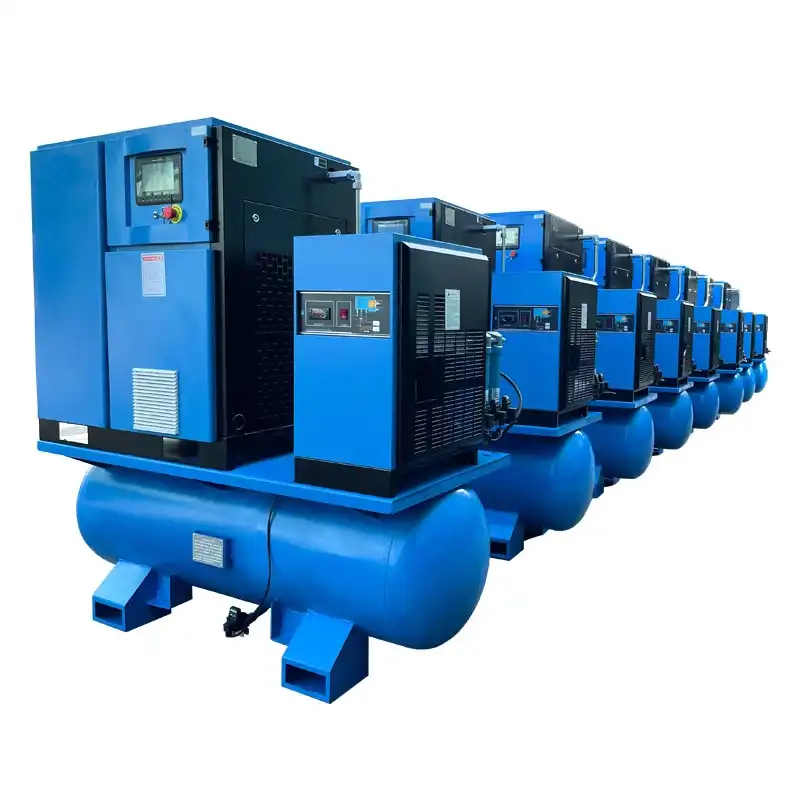
Electrical motor
Although purchasing an electrical motor for air compressor, compatibility is a key aspect. Not all motors operate with the very same sort of air compressor, so it is critical to verify the manufacturer’s guidelines prior to purchasing. By performing this, you can avoid wasting cash on an incompatible motor. An additional important thing to consider is pace. A motor’s velocity is its fee of rotation, calculated in revolutions for every moment. It is critical that you obtain a motor with enough pace to meet up with the wants of your air compressor.
Typically, an electric powered motor for air compressor is 1.5 hp. It is best for use with healthcare tools and steel-chopping devices. It also performs effectively under steady procedure and provides a high efficiency and strength-saving overall performance. In addition, it features an eye-catching price tag, generating it a very good selection for a broad variety of applications. If you are looking for a motor for an air compressor, seem no even more than a ZYS sequence.
A motor’s protection course suggests how the motor will operate. Defense classes are specified by the IEC 60034-5. These are stated with two digits and symbolize the protection towards strong objects and drinking water. For instance, an IP23 rating signifies that the motor will be secured from sound objects, whilst IP54 signifies that it will protect from dust and water sprayed from all instructions. It is vital to choose a motor with the proper protection class for your air compressor.
When choosing an electric powered motor, you need to consider whether it’s suitable with the manufacturer of air compressor. Some might be compatible, even though other people may demand innovative electronics capabilities to restore. However, most air compressors are protected by guarantee, so it really is critical to check out with the manufacturer if the warranty is still in effect ahead of you devote a dime on a substitution. The motor ought to be changed if it has unsuccessful to carry out as created.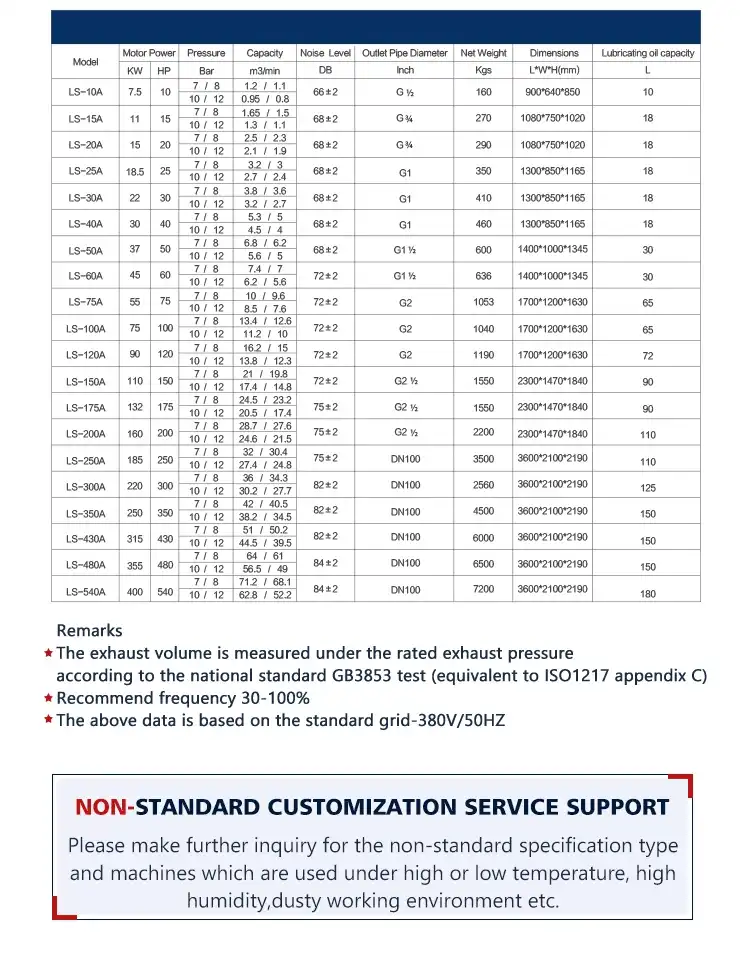
Oil bath
Air compressors need suitable lubrication to perform proficiently. The piston need to draw air with small friction. Depending on their style, air compressors can either be oil-lubricated or oil-free. The former makes use of oil to decrease piston friction, whilst the latter splashes it on the cylinder bearings and walls. This sort of air compressors are frequently acknowledged as oil-flooded air compressors. In order to maintain their oil baths clean, they are recommended for use in spots with higher dust stages.
Start off/stop manage
An air compressor can be managed by a begin/end control. This variety of control sends a signal to the primary motor that activates the compressor when the demand from customers for air falls below a preset restrict. This management method is efficient for more compact air compressors and can be beneficial for reducing vitality fees. Start/cease manage is most successful in programs exactly where air force does not modify frequently and in which the compressor is not needed to run constantly.
To troubleshoot this issue, you need to have to check out the electrical power source of your compressor. To verify the supply aspect, use a voltage monitor to decide if energy is flowing to the compressor. Make certain that the energy supply to the compressor is steady and secure at all instances. If it fluctuates, the compressor could not start off or end as envisioned. If you can’t discover the problem with the air compressor power provide, it may possibly be time to exchange it.
In addition to the begin/cease management, you may possibly want to purchase added air receivers for your air compressor. These can improve the ability of air saved and reduce the quantity of moments it starts off and stops. An additional way to reduce the number of starts off per hour is to include far more air receivers. Then, you can modify the handle to match your needs. You can also put in a force gauge that displays the compressor’s performance.
Start off/end handle for air compressors can be sophisticated, but the basic parts are fairly simple to comprehend. A single way to test them is to switch the compressor on or off. It is typically found on the exterior of the motor. If you are unsure of the area of these components, check out the capacitors and make positive that the air compressor is not operating while you are not employing it. If it does, attempt to take away the capacitor.
Variable displacement handle is one more way to modify the quantity of air flowing into the compressor. By controlling the quantity of air, the handle can hold off the use of added compressors right up until a lot more essential air is offered. In addition to this, the system can also keep an eye on the energy utilised in the compressor. This control strategy can outcome in significant strength savings. You can even preserve on the amount of electricity by using variable displacement control. It is vital for productive compressed air systems.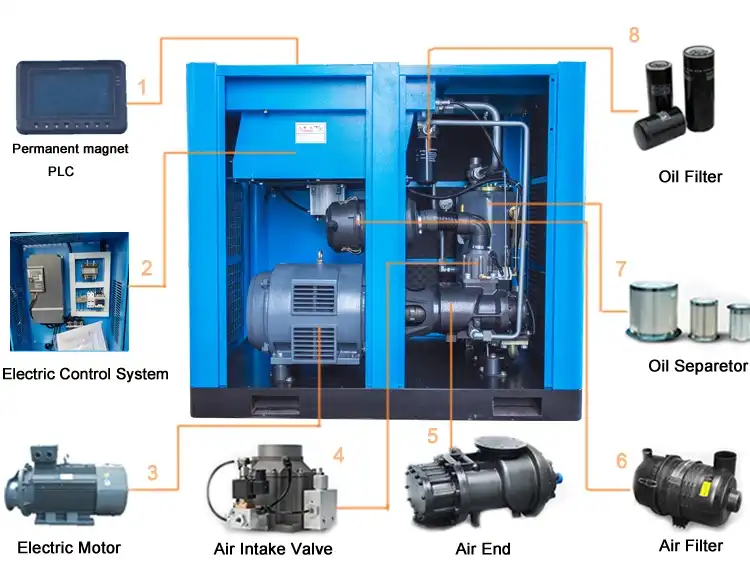
Variable velocity drive
A VFD, or variable frequency push, is a variety of electric motor that adjusts its velocity to match the need for air. It is an effective way to minimize strength charges and boost program dependability. In truth, scientific studies have demonstrated that a twenty% reduction in motor velocity can conserve up to fifty% of energy. In addition, a VFD can check added variables these kinds of as compressor oil force and motor temperature. By eliminating handbook checks, a VFD will increase the overall performance of the application and reduce operating fees.
In addition to reducing vitality fees, variable-velocity drives also enhance productivity. A variable-pace air compressor reduces the risk of method leaks by 30 percent. It also reduces the threat of program leaks by decreasing stress in the method. Since of these advantages, many governments are marketing this technology in their industries. Many even offer incentives to support businesses improve to variable-pace drives. Consequently, the variable-speed generate can gain a lot of air compressor installations.
One major reward of a variable-pace push is its potential to improve strength use. Variable frequency drives are able to ramp up and down to match the demand for air. The aim is to improve the stress and stream in the technique so that the very best “dead band” happens amongst forty % and eighty % of full load. A variable-pace compressor will also enhance vitality efficiency simply because of its programmability.
A variable-velocity air compressor can also be employed to management the sum of air that is compressed by the system. This feature adjusts the frequency of energy equipped to the motor dependent on the demand from customers. If the demand for air is minimal, the frequency of the motor will minimize to help save vitality. On the other hand, if there is an extra desire for air, the variable-pace compressor will boost its speed. In addition, this variety of air compressor is much more effective than its fastened-speed counterpart.
A VFD has several positive aspects for compressed air programs. Initial, it assists stabilize the pressure in the pipe community, therefore decreasing the electrical power losses because of to upstream force. It also will help decrease the electricity consumption brought on by fluctuations in upward strain. Its advantages are also much-reaching. And as lengthy as the air strain and air supply is effectively sized, a VFD will assist enhance the effectiveness of compressed air systems.