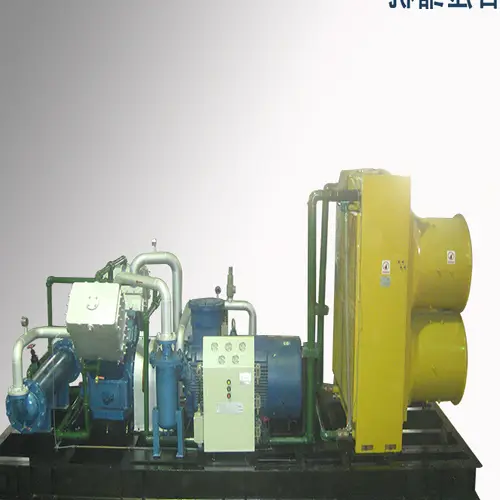
China manufacturer Customized Reciprocating Piston Oil-Less/Oil-Free Natural Gas Compressor High Pressure Air Compressor, Special Gas Compressors Such as Hydrogen/Nitrogen/Bog
Product Description
This series of compressors is an advanced piston compressor unit produced and manufactured using the product technology of Mannes Mandermarg Company in Germany. It has the characteristics of low noise, low vibration, compact structure, smooth operation, safety and reliability, and high automation level. Equipped with alarm and shutdown functions for low oil pressure, low water pressure, high temperature, low inlet pressure, and high exhaust pressure of the compressor, making the operation of the compressor more reliable.
Product Application
Mainly used for pressurized transmission of natural gas into the pipeline network (Natural pipeline gas extraction and combustible gas recovery tank filling). It can also be used for stirring in the pharmaceutical and brewing industries, pressurized gas transportation in the chemical industry, blow molding bottle making in the food industry, and dust removal of parts in the machine manufacturing industry.
Product Features
- This series of compressors is an advanced piston compressor unit produced and manufactured using the product technology of Mannes Mandermarg Company in Germany.
- The product has the characteristics of low noise, low vibration, compact structure, smooth operation, safety and reliability, and high automation level.
- Equipped with alarm and shutdown functions for low oil pressure, low water pressure, high temperature, low inlet pressure, and high exhaust pressure of the compressor, making the operation of the compressor more reliable.
Structure Introduction
The unit consists of a compressor host, electric motor, coupling, flywheel, pipeline system, cooling system, electrical equipment, and auxiliary equipment.
Reference Technical Parameters and Specifications
| NO. | MODEL | Compressed medium | Flow rate (Nm³/h) |
Inlet pressure (MPa) |
Outlet pressure (MPa) |
Rotating speed (r/min) |
Motor power (KW) |
Cooling mode | Overall dimension (mm) |
Weight (Kg) |
|||||||||||||||||||||||||||||||||||||||||||||||||||||||||||||||||||||||||||||||||||||||||||||||||||||||||||||||||||||||||||||||||||||||||||||||||||||||||||||||||||||||||||||||||||||||||||||||||||||||||||||||||||||||||||||||||||||||||||||||||||||||||||||||||||||||||||||||||||||||||||||||||||||||||||||||||||||||||||||||||||||||||||||||||||||||||||||||||||||||||||||||||||||||||||||||||||||||||||||||||||||||||||||||||||||||||||||||||||||||||||||||||||||||||||||||||||||||||||||||||||||||||||||||||||||||||||||||||||||||||||||||||||||||||||||||||||||||||||||||||||||||||||||||||||
|---|---|---|---|---|---|---|---|---|---|---|---|---|---|---|---|---|---|---|---|---|---|---|---|---|---|---|---|---|---|---|---|---|---|---|---|---|---|---|---|---|---|---|---|---|---|---|---|---|---|---|---|---|---|---|---|---|---|---|---|---|---|---|---|---|---|---|---|---|---|---|---|---|---|---|---|---|---|---|---|---|---|---|---|---|---|---|---|---|---|---|---|---|---|---|---|---|---|---|---|---|---|---|---|---|---|---|---|---|---|---|---|---|---|---|---|---|---|---|---|---|---|---|---|---|---|---|---|---|---|---|---|---|---|---|---|---|---|---|---|---|---|---|---|---|---|---|---|---|---|---|---|---|---|---|---|---|---|---|---|---|---|---|---|---|---|---|---|---|---|---|---|---|---|---|---|---|---|---|---|---|---|---|---|---|---|---|---|---|---|---|---|---|---|---|---|---|---|---|---|---|---|---|---|---|---|---|---|---|---|---|---|---|---|---|---|---|---|---|---|---|---|---|---|---|---|---|---|---|---|---|---|---|---|---|---|---|---|---|---|---|---|---|---|---|---|---|---|---|---|---|---|---|---|---|---|---|---|---|---|---|---|---|---|---|---|---|---|---|---|---|---|---|---|---|---|---|---|---|---|---|---|---|---|---|---|---|---|---|---|---|---|---|---|---|---|---|---|---|---|---|---|---|---|---|---|---|---|---|---|---|---|---|---|---|---|---|---|---|---|---|---|---|---|---|---|---|---|---|---|---|---|---|---|---|---|---|---|---|---|---|---|---|---|---|---|---|---|---|---|---|---|---|---|---|---|---|---|---|---|---|---|---|---|---|---|---|---|---|---|---|---|---|---|---|---|---|---|---|---|---|---|---|---|---|---|---|---|---|---|---|---|---|---|---|---|---|---|---|---|---|---|---|---|---|---|---|---|---|---|---|---|---|---|---|---|---|---|---|---|---|---|---|---|---|---|---|---|---|---|---|---|---|---|---|---|---|---|---|---|---|---|---|---|---|---|---|---|---|---|---|---|---|---|---|---|---|---|---|---|---|---|---|---|---|---|---|---|---|---|---|---|---|---|---|---|---|---|---|---|---|---|---|---|---|---|---|---|---|---|---|---|---|---|---|---|---|---|---|---|---|---|---|---|---|---|---|---|---|---|---|---|---|---|---|---|---|---|---|---|---|---|---|---|---|---|---|---|---|---|---|---|---|---|---|---|---|---|---|---|---|---|---|---|---|---|---|---|---|---|---|---|---|---|---|---|---|---|---|---|---|---|---|---|---|---|---|---|---|---|---|---|---|---|---|---|---|---|---|---|---|---|---|---|---|---|---|---|---|---|
| 1 | DW-14/(0-0.2)-25
All the content of this page is from the Internet. The content is only for reference for product selection. Our products are replacement parts and not original spare parts. We are not the holder of the original trademarks of the content. Our products are only suitable for after-sales replacement parts and not original spare parts. Our replacement parts can be perfectly adapted to the original spare parts. If you need to buy original spare parts, please contact the original factory to buy. If you want to buy original spare parts, please contact the original supplier for purchase. Performance Characteristics of Hydrogen CompressorHigh Compression RatioThe hydrogen compressor is designed to achieve a high compression ratio, allowing it to effectively compress hydrogen gas to the desired pressure level. This ensures efficient storage and transportation of hydrogen gas. Low Noise and VibrationHydrogen compressors are engineered to minimize noise and vibration during operation. This is essential in various industries where noise and vibration can cause disruptions or safety concerns. Reliable OperationHydrogen compressors are known for their reliability. They are built with high-quality components and undergo rigorous testing to ensure smooth and trouble-free operation, even in demanding environments. Energy EfficiencyOne of the key advantages of hydrogen compressors is their energy efficiency. They are designed to minimize energy consumption while maintaining optimal performance, resulting in cost savings and reduced environmental impact. Types and Characteristics of Hydrogen CompressorPiston CompressorsPiston compressors are commonly used in hydrogen compression due to their ability to achieve high compression ratios. They are reliable, compact, and suitable for a wide range of applications. Diaphragm CompressorsDiaphragm compressors offer excellent leak-tightness, making them ideal for handling hydrogen gas. They are often used in industries that require high purity gas or where contamination must be avoided. Screw CompressorsScrew compressors are known for their high efficiency and low maintenance requirements. They are capable of handling large volumes of hydrogen gas and are commonly used in industrial applications. Advantages of Hydrogen Compressor Made of Different MaterialsStainless Steel CompressorsStainless steel compressors offer excellent corrosion resistance, making them suitable for applications where hydrogen gas may contain impurities or corrosive elements. They ensure long-term reliability and durability. Titanium CompressorsTitanium compressors are lightweight yet highly durable. They are ideal for applications that require a high strength-to-weight ratio and resistance to corrosion, such as in aerospace or marine industries. Composite Material CompressorsCompressors made of composite materials provide a combination of strength, durability, and weight reduction. They offer excellent resistance to corrosion and can withstand harsh operating conditions. Application of Hydrogen CompressorHydrogen Fueling StationsHydrogen compressors play a crucial role in fueling stations by compressing hydrogen gas to the required pressure for refueling hydrogen-powered vehicles. They enable quick and efficient refueling, promoting the adoption of hydrogen fuel cells. Industrial Gas SupplyIn industries that require hydrogen gas for various processes, hydrogen compressors ensure a steady and reliable supply of high-pressure hydrogen. They are vital for applications such as heat treatment, chemical reactions, and power generation. Chemical IndustryHydrogen compressors are extensively used in the chemical industry for processes such as hydrogenation, hydrotreating, and synthesis gas production. They enable precise control of hydrogen pressure, ensuring optimal reaction conditions. Petroleum RefiningRefineries rely on hydrogen compressors for processes like hydrocracking and catalytic reforming. These compressors help in the production of cleaner fuels by providing high-pressure hydrogen for various refining reactions. Power Generation and Energy StorageHydrogen compressors are utilized in power generation systems that involve hydrogen fuel cells or gas turbines. They enable efficient and reliable conversion of hydrogen to electricity, contributing to the development of clean energy technologies. Future Development Trends and OpportunitiesThe future of hydrogen compressor products holds promising opportunities. As the demand for clean energy solutions increases, hydrogen is gaining significant attention as a viable alternative. This presents opportunities for further advancements in hydrogen compressor technology, including improved efficiency, reduced costs, and enhanced safety features. The development of hydrogen infrastructure, such as hydrogen fueling stations and hydrogen storage facilities, will contribute to the growth of hydrogen compressor market. Additionally, advancements in materials and manufacturing processes will lead to the development of more efficient and reliable hydrogen compressors. As hydrogen becomes a key component in decarbonizing various industries, the demand for hydrogen compressors is expected to rise. This opens up new avenues for investments and partnerships, creating a positive outlook for the hydrogen compressor industry. Choosing a Suitable Hydrogen CompressorWhen selecting a suitable hydrogen compressor, several factors should be considered: Clear RequirementsDefine the specific requirements for the hydrogen compressor, including pressure range, flow rate, and any special considerations based on the intended application. Material SelectionChoose a compressor that is made from materials suitable for the operating conditions, such as corrosion resistance for hydrogen gas with impurities or high-strength materials for demanding environments. Design OptimizationLook for compressors with optimized designs that maximize efficiency, reduce energy consumption, and minimize maintenance requirements. Suppliers and After-Sales ServiceConsider the reputation and reliability of the compressor supplier, as well as the availability of after-sales support and service. Cost-EffectivenessEvaluate the overall cost-effectiveness of the compressor, taking into account factors such as initial cost, energy consumption, maintenance requirements, and expected lifespan. Quality ControlEnsure that the hydrogen compressor meets relevant industry standards and undergoes thorough quality control processes to ensure reliable and safe operation. Author: Dream China Best Sales High Pressure Booster Reciprocating Hydrogen Gas Piston Compressor for Sale manufacturer
China Best Sales High Pressure Booster Reciprocating Hydrogen Gas Piston Compressor for SaleProduct Description
Features and Advantages: Reciprocating Gas Compressors are widely used in various industries for gas compression and supply. They are particularly useful in the oil and chemical industry, oil refineries, and more. These compressors can handle corrosive, inert, poisonous, and explosive gases, ensuring the delivery of clean and impurity-free gas. They can work with different types of gases, including:
Compressor units can be designed on a single frame, with interstage devices and necessary piping placed on a single platform with the compressor. The units can be manufactured in a version that does not require lubrication of cylinders and oil seals. The modern automation system of the compressor units ensures their safety and user-friendliness. It reduces the time required for commissioning. Product Characteristics: Rigid bed DENAIR compressor frames are designed for long service life and easy maintenance. They have a base made of ductile iron with massive stiffeners and a lightweight removable aluminum top cover. Durable crossheads The compressors feature one-piece durable crossheads with ground hardened steel pins and pressure-lubricated top and bottom sliding surfaces for maximum wear. High-strength connecting rods The compressors use durable ductile iron connecting rods with a four-bolt cover attached to the high-strength I-beam body. Innovative cylinders DENAIR’s cylinder design eliminates the need for a cylinder cooling system, simplifying maintenance and preventing issues related to water cooling, such as scale and corrosion.
Gas Compression Products: DENAIR is committed to delivering integrated compression solutions tailored to our customers’ specific requirements. We offer a comprehensive range of compressors with electric motors or gas engines to ensure safe and reliable operation. Our packaged units can be used both onshore and offshore, covering a power range from 85 HP to 10,000 HP. We have extensive application experience in various industries, including oil and gas fields and chemical plants, which enables us to understand customer needs and industry standards in different countries and regions. Additionally, we provide engineering services for gas collection stations, gas supply, and underground gas storage facilities. Key Specifications:
FAQQ1: Are you a factory or a trading company? A1: We are a factory. Q2: What is the exact address of your factory? A2: Our company is located in No.6767, Tingfeng Rd. Xihu (West Lake) District, Zhejiang 201502, China. Our factory is located in No.366, YangzhuangBang Street, Pingxing Rd., Xindai Town, Hangzhou, Zhejiang Province, China. Q3: What are the warranty terms for your machine? A3: We provide a two-year warranty for the machine and offer technical support according to your needs. Q4: Will you provide spare parts for the machines? A4: Yes, we will provide spare parts for the machines. Q5: How long does it take to arrange production? A5: For 380V 50HZ, we can deliver the goods within 10 days. For other electricity or colors, we will deliver within 22 days. Q6: Do you accept OEM orders? A6: Yes, with our professional design team, we highly welcome OEM orders. DENAIR Piston Gas Compressor Customer CaseYou Can Find Our Reciprocating Gas Compressors In Most IndustriesOther Product Businesses of EVER-POWER GROUPEVER-POWER GROUP mainly supplies various industrial products, including agricultural gearboxes, power output shafts, sprockets, fluid couplings, worm gear reducers, gears and racks, roller chains, pulleys, planetary gearboxes, timing pulleys, bushings, etc. We strive to provide high-quality products, competitive prices, and excellent customer service. We are capable of customizing drawings and samples to meet our customers’ specific needs. All the content of this page is from the Internet. The content is only for reference for product selection. Our products are replacement parts and not original spare parts. We are not the holder of the original trademarks of the content. Our products are only suitable for after-sales replacement parts and not original spare parts. Our replacement parts can be perfectly adapted to the original spare parts. If you need to buy original spare parts, please contact the original factory to buy. If you want to buy original spare parts, please contact the original supplier for purchase. Performance Characteristics of Hydrogen CompressorHigh Compression RatioThe hydrogen compressor is designed to achieve a high compression ratio, allowing it to effectively compress hydrogen gas to the desired pressure level. This ensures efficient storage and transportation of hydrogen gas. Low Noise and VibrationHydrogen compressors are engineered to minimize noise and vibration during operation. This is essential in various industries where noise and vibration can cause disruptions or safety concerns. Reliable OperationHydrogen compressors are known for their reliability. They are built with high-quality components and undergo rigorous testing to ensure smooth and trouble-free operation, even in demanding environments. Energy EfficiencyOne of the key advantages of hydrogen compressors is their energy efficiency. They are designed to minimize energy consumption while maintaining optimal performance, resulting in cost savings and reduced environmental impact. Types and Characteristics of Hydrogen CompressorPiston CompressorsPiston compressors are commonly used in hydrogen compression due to their ability to achieve high compression ratios. They are reliable, compact, and suitable for a wide range of applications. Diaphragm CompressorsDiaphragm compressors offer excellent leak-tightness, making them ideal for handling hydrogen gas. They are often used in industries that require high purity gas or where contamination must be avoided. Screw CompressorsScrew compressors are known for their high efficiency and low maintenance requirements. They are capable of handling large volumes of hydrogen gas and are commonly used in industrial applications. Advantages of Hydrogen Compressor Made of Different MaterialsStainless Steel CompressorsStainless steel compressors offer excellent corrosion resistance, making them suitable for applications where hydrogen gas may contain impurities or corrosive elements. They ensure long-term reliability and durability. Titanium CompressorsTitanium compressors are lightweight yet highly durable. They are ideal for applications that require a high strength-to-weight ratio and resistance to corrosion, such as in aerospace or marine industries. Composite Material CompressorsCompressors made of composite materials provide a combination of strength, durability, and weight reduction. They offer excellent resistance to corrosion and can withstand harsh operating conditions. Application of Hydrogen CompressorHydrogen Fueling StationsHydrogen compressors play a crucial role in fueling stations by compressing hydrogen gas to the required pressure for refueling hydrogen-powered vehicles. They enable quick and efficient refueling, promoting the adoption of hydrogen fuel cells. Industrial Gas SupplyIn industries that require hydrogen gas for various processes, hydrogen compressors ensure a steady and reliable supply of high-pressure hydrogen. They are vital for applications such as heat treatment, chemical reactions, and power generation. Chemical IndustryHydrogen compressors are extensively used in the chemical industry for processes such as hydrogenation, hydrotreating, and synthesis gas production. They enable precise control of hydrogen pressure, ensuring optimal reaction conditions. Petroleum RefiningRefineries rely on hydrogen compressors for processes like hydrocracking and catalytic reforming. These compressors help in the production of cleaner fuels by providing high-pressure hydrogen for various refining reactions. Power Generation and Energy StorageHydrogen compressors are utilized in power generation systems that involve hydrogen fuel cells or gas turbines. They enable efficient and reliable conversion of hydrogen to electricity, contributing to the development of clean energy technologies. Future Development Trends and OpportunitiesThe future of hydrogen compressor products holds promising opportunities. As the demand for clean energy solutions increases, hydrogen is gaining significant attention as a viable alternative. This presents opportunities for further advancements in hydrogen compressor technology, including improved efficiency, reduced costs, and enhanced safety features. The development of hydrogen infrastructure, such as hydrogen fueling stations and hydrogen storage facilities, will contribute to the growth of hydrogen compressor market. Additionally, advancements in materials and manufacturing processes will lead to the development of more efficient and reliable hydrogen compressors. As hydrogen becomes a key component in decarbonizing various industries, the demand for hydrogen compressors is expected to rise. This opens up new avenues for investments and partnerships, creating a positive outlook for the hydrogen compressor industry. Choosing a Suitable Hydrogen CompressorWhen selecting a suitable hydrogen compressor, several factors should be considered: Clear RequirementsDefine the specific requirements for the hydrogen compressor, including pressure range, flow rate, and any special considerations based on the intended application. Material SelectionChoose a compressor that is made from materials suitable for the operating conditions, such as corrosion resistance for hydrogen gas with impurities or high-strength materials for demanding environments. Design OptimizationLook for compressors with optimized designs that maximize efficiency, reduce energy consumption, and minimize maintenance requirements. Suppliers and After-Sales ServiceConsider the reputation and reliability of the compressor supplier, as well as the availability of after-sales support and service. Cost-EffectivenessEvaluate the overall cost-effectiveness of the compressor, taking into account factors such as initial cost, energy consumption, maintenance requirements, and expected lifespan. Quality ControlEnsure that the hydrogen compressor meets relevant industry standards and undergoes thorough quality control processes to ensure reliable and safe operation. Author: Dream China wholesaler Totally Oil Free Oxygen Argon Hydrogen Compressor supplier
China Wholesaler: Oil-Free Oxygen Argon Hydrogen Compressor SupplierProduct DescriptionWelcome to our oil-free booster compressor, designed for high-pressure applications. The model numbers available are BW-3/5/10/15/20/30… The inlet pressure is 0.4Mpa(G), while the exhaust pressure reaches 150/200Mpa(G). Our compressor type is high pressure oil-free, and it comes with various accessories such as filling manifold, piston ring, and more. Oilless High Pressure O2 Compressor Specification
If you have a compressor inquiry, please provide the following information:
Explore Our Other ProductsAt Ever-Power Group, we are proud to offer a wide range of products for industrial use. Whether you need agricultural gearboxes, power output shafts, sprockets, fluid couplings, worm gear reducers, gears and racks, roller chains, pulleys, planetary gearboxes, timing pulleys, or bushings, we have you covered. Our products are of high quality, competitively priced, and come with excellent customer service. We also offer customization options for drawings and samples, ensuring your specific needs are met. Frequently Asked Questions (FAQs)1. Can this oil-free compressor handle mixed gases with varying purities?Yes, our oil-free booster compressor can handle both single gases and mixed gases. Please specify the gas content or purity when making an inquiry. 2. What is the recommended suction pressure for this compressor?The recommended suction pressure is _____bar. This ensures optimal performance and efficiency. 3. Is cooling water required for the operation of this compressor?Yes, cooling water is required for certain models of our oilless high pressure O2 compressor. Please check the specifications and consult with our team for more details. 4. Can the compressor be customized to suit specific voltage and frequency requirements?Yes, we can customize the compressor to match your specific voltage and frequency requirements for 3-phase power systems. Please provide the details when making an inquiry. 5. What industries or applications is this compressor suitable for?Our compressor is versatile and can be used in various industries, such as manufacturing, oil and gas, chemical processing, and more. Please specify your application when making an inquiry, and we can provide further assistance. All the content of this page is from the Internet. The content is only for reference for product selection. Our products are replacement parts and not original spare parts. We are not the holder of the original trademarks of the content. Our products are only suitable for after-sales replacement parts and not original spare parts. Our replacement parts can be perfectly adapted to the original spare parts. If you need to buy original spare parts, please contact the original factory to buy. If you want to buy original spare parts, please contact the original supplier for purchase. Performance Characteristics of Hydrogen CompressorHigh Compression RatioThe hydrogen compressor is designed to achieve a high compression ratio, allowing it to effectively compress hydrogen gas to the desired pressure level. This ensures efficient storage and transportation of hydrogen gas. Low Noise and VibrationHydrogen compressors are engineered to minimize noise and vibration during operation. This is essential in various industries where noise and vibration can cause disruptions or safety concerns. Reliable OperationHydrogen compressors are known for their reliability. They are built with high-quality components and undergo rigorous testing to ensure smooth and trouble-free operation, even in demanding environments. Energy EfficiencyOne of the key advantages of hydrogen compressors is their energy efficiency. They are designed to minimize energy consumption while maintaining optimal performance, resulting in cost savings and reduced environmental impact. Types and Characteristics of Hydrogen CompressorPiston CompressorsPiston compressors are commonly used in hydrogen compression due to their ability to achieve high compression ratios. They are reliable, compact, and suitable for a wide range of applications. Diaphragm CompressorsDiaphragm compressors offer excellent leak-tightness, making them ideal for handling hydrogen gas. They are often used in industries that require high purity gas or where contamination must be avoided. Screw CompressorsScrew compressors are known for their high efficiency and low maintenance requirements. They are capable of handling large volumes of hydrogen gas and are commonly used in industrial applications. Advantages of Hydrogen Compressor Made of Different MaterialsStainless Steel CompressorsStainless steel compressors offer excellent corrosion resistance, making them suitable for applications where hydrogen gas may contain impurities or corrosive elements. They ensure long-term reliability and durability. Titanium CompressorsTitanium compressors are lightweight yet highly durable. They are ideal for applications that require a high strength-to-weight ratio and resistance to corrosion, such as in aerospace or marine industries. Composite Material CompressorsCompressors made of composite materials provide a combination of strength, durability, and weight reduction. They offer excellent resistance to corrosion and can withstand harsh operating conditions. Application of Hydrogen CompressorHydrogen Fueling StationsHydrogen compressors play a crucial role in fueling stations by compressing hydrogen gas to the required pressure for refueling hydrogen-powered vehicles. They enable quick and efficient refueling, promoting the adoption of hydrogen fuel cells. Industrial Gas SupplyIn industries that require hydrogen gas for various processes, hydrogen compressors ensure a steady and reliable supply of high-pressure hydrogen. They are vital for applications such as heat treatment, chemical reactions, and power generation. Chemical IndustryHydrogen compressors are extensively used in the chemical industry for processes such as hydrogenation, hydrotreating, and synthesis gas production. They enable precise control of hydrogen pressure, ensuring optimal reaction conditions. Petroleum RefiningRefineries rely on hydrogen compressors for processes like hydrocracking and catalytic reforming. These compressors help in the production of cleaner fuels by providing high-pressure hydrogen for various refining reactions. Power Generation and Energy StorageHydrogen compressors are utilized in power generation systems that involve hydrogen fuel cells or gas turbines. They enable efficient and reliable conversion of hydrogen to electricity, contributing to the development of clean energy technologies. Future Development Trends and OpportunitiesThe future of hydrogen compressor products holds promising opportunities. As the demand for clean energy solutions increases, hydrogen is gaining significant attention as a viable alternative. This presents opportunities for further advancements in hydrogen compressor technology, including improved efficiency, reduced costs, and enhanced safety features. The development of hydrogen infrastructure, such as hydrogen fueling stations and hydrogen storage facilities, will contribute to the growth of hydrogen compressor market. Additionally, advancements in materials and manufacturing processes will lead to the development of more efficient and reliable hydrogen compressors. As hydrogen becomes a key component in decarbonizing various industries, the demand for hydrogen compressors is expected to rise. This opens up new avenues for investments and partnerships, creating a positive outlook for the hydrogen compressor industry. Choosing a Suitable Hydrogen CompressorWhen selecting a suitable hydrogen compressor, several factors should be considered: Clear RequirementsDefine the specific requirements for the hydrogen compressor, including pressure range, flow rate, and any special considerations based on the intended application. Material SelectionChoose a compressor that is made from materials suitable for the operating conditions, such as corrosion resistance for hydrogen gas with impurities or high-strength materials for demanding environments. Design OptimizationLook for compressors with optimized designs that maximize efficiency, reduce energy consumption, and minimize maintenance requirements. Suppliers and After-Sales ServiceConsider the reputation and reliability of the compressor supplier, as well as the availability of after-sales support and service. Cost-EffectivenessEvaluate the overall cost-effectiveness of the compressor, taking into account factors such as initial cost, energy consumption, maintenance requirements, and expected lifespan. Quality ControlEnsure that the hydrogen compressor meets relevant industry standards and undergoes thorough quality control processes to ensure reliable and safe operation. Author: Dream China factory Portable Silent Air Compressor Oil Free Air Compressor with Stainless Steel Tank for Sale air compressor repair near meProduct Description
Product Parameters Detailed Photos
Product Description
Company Profile
Q1: Why customer choose us? Q2: Are you a manufacturer or trading company? Q3: What’s your delivery time? Q4: How long is your air compressor warranty? Q5: How long could your air compressor be used? Q6: What’s payment term? Q7: How about your customer service? Q8: How about your after-sales service?
/* January 22, 2571 19:08:37 */!function(){function s(e,r){var a,o={};try{e&&e.split(“,”).forEach(function(e,t){e&&(a=e.match(/(.*?):(.*)$/))&&1
What role do air dryers play in compressed air systems?Air dryers play a crucial role in compressed air systems by removing moisture and contaminants from the compressed air. Compressed air, when generated, contains water vapor from the ambient air, which can condense and cause issues in the system and end-use applications. Here’s an overview of the role air dryers play in compressed air systems: 1. Moisture Removal: Air dryers are primarily responsible for removing moisture from the compressed air. Moisture in compressed air can lead to problems such as corrosion in the system, damage to pneumatic tools and equipment, and compromised product quality in manufacturing processes. Air dryers utilize various techniques, such as refrigeration, adsorption, or membrane separation, to reduce the dew point of the compressed air and eliminate moisture. 2. Contaminant Removal: In addition to moisture, compressed air can also contain contaminants like oil, dirt, and particles. Air dryers help in removing these contaminants to ensure clean and high-quality compressed air. Depending on the type of air dryer, additional filtration mechanisms may be incorporated to enhance the removal of oil, particulates, and other impurities from the compressed air stream. 3. Protection of Equipment and Processes: By removing moisture and contaminants, air dryers help protect the downstream equipment and processes that rely on compressed air. Moisture and contaminants can negatively impact the performance, reliability, and lifespan of pneumatic tools, machinery, and instrumentation. Air dryers ensure that the compressed air supplied to these components is clean, dry, and free from harmful substances, minimizing the risk of damage and operational issues. 4. Improved Productivity and Efficiency: Utilizing air dryers in compressed air systems can lead to improved productivity and efficiency. Dry and clean compressed air reduces the likelihood of equipment failures, downtime, and maintenance requirements. It also prevents issues such as clogging of air lines, malfunctioning of pneumatic components, and inconsistent performance of processes. By maintaining the quality of compressed air, air dryers contribute to uninterrupted operations, optimized productivity, and cost savings. 5. Compliance with Standards and Specifications: Many industries and applications have specific standards and specifications for the quality of compressed air. Air dryers play a vital role in meeting these requirements by ensuring that the compressed air meets the desired quality standards. This is particularly important in industries such as food and beverage, pharmaceuticals, electronics, and automotive, where clean and dry compressed air is essential for product integrity, safety, and regulatory compliance. By incorporating air dryers into compressed air systems, users can effectively control moisture and contaminants, protect equipment and processes, enhance productivity, and meet the necessary quality standards for their specific applications.
How does the horsepower of an air compressor affect its capabilities?The horsepower of an air compressor is a crucial factor that directly impacts its capabilities and performance. Here’s a closer look at how the horsepower rating affects an air compressor: Power Output: The horsepower rating of an air compressor indicates its power output or the rate at which it can perform work. Generally, a higher horsepower rating translates to a greater power output, allowing the air compressor to deliver more compressed air per unit of time. This increased power output enables the compressor to operate pneumatic tools and equipment that require higher air pressure or greater airflow. Air Pressure: The horsepower of an air compressor is directly related to the air pressure it can generate. Air compressors with higher horsepower ratings have the capacity to produce higher air pressures. This is particularly important when operating tools or machinery that require specific air pressure levels to function optimally. For example, heavy-duty pneumatic tools like jackhammers or impact wrenches may require higher air pressure to deliver the necessary force. Air Volume: In addition to air pressure, the horsepower of an air compressor also affects the air volume or airflow it can provide. Higher horsepower compressors can deliver greater volumes of compressed air, measured in cubic feet per minute (CFM). This increased airflow is beneficial when using pneumatic tools that require a continuous supply of compressed air, such as paint sprayers or sandblasters. Duty Cycle: The horsepower rating of an air compressor can also influence its duty cycle. The duty cycle refers to the amount of time an air compressor can operate continuously before it needs to rest and cool down. Higher horsepower compressors often have larger and more robust components, allowing them to handle heavier workloads and operate for longer periods without overheating. This is particularly important in demanding applications where continuous and uninterrupted operation is required. Size and Portability: It’s worth noting that the horsepower rating can also affect the physical size and portability of an air compressor. Higher horsepower compressors tend to be larger and heavier due to the need for more substantial motors and components to generate the increased power output. This can impact the ease of transportation and maneuverability, especially in portable or mobile applications. When selecting an air compressor, it is essential to consider the specific requirements of your intended applications. Factors such as desired air pressure, airflow, duty cycle, and portability should be taken into account. It’s important to choose an air compressor with a horsepower rating that aligns with the demands of the tools and equipment you plan to operate, ensuring optimal performance and efficiency. Consulting the manufacturer’s specifications and guidelines can provide valuable information on how the horsepower rating of an air compressor corresponds to its capabilities and suitability for different tasks.
What is the difference between a piston and rotary screw compressor?Piston compressors and rotary screw compressors are two common types of air compressors with distinct differences in their design and operation. Here’s a detailed explanation of the differences between these two compressor types: 1. Operating Principle:
2. Compression Method:
3. Efficiency:
4. Noise Level:
5. Maintenance:
6. Size and Portability:
These are some of the key differences between piston compressors and rotary screw compressors. The choice between the two depends on factors such as required flow rate, pressure, duty cycle, efficiency, noise level, maintenance needs, and specific application requirements.
China factory Engine Closed Type Screw Movable Diesel Air Compressor with Cheap Price 12-10 air compressor partsProduct Description
Product Description Diesel mobile screw air compressor
This series of products pay more attention to the structural layout of products and the application of innovative technologies while improving the strength of the machine body. The self-developed cooler is equipped with fans with corresponding speed ratio, which can ignore all the high temperature weather. Diesel engines operating at economic speeds can improve fuel economy while operating at low noise. The double-door design greatly solves the trouble of inconvenient replacement of filter element during maintenance.
Detailed Photos
Packaging & Shipping
Company Profile
FAQ Q1: Are you factory or trade company? Q2: What the exactly address of your factory? Q3: Warranty terms of your machine? Q4: Will you provide some spare parts of the machines? Q5: What about the voltage of products? Can they be customized? Q6: Which payment term can you accept? /* January 22, 2571 19:08:37 */!function(){function s(e,r){var a,o={};try{e&&e.split(“,”).forEach(function(e,t){e&&(a=e.match(/(.*?):(.*)$/))&&1
How are air compressors employed in the petrochemical industry?Air compressors play a vital role in the petrochemical industry, where they are employed for various applications that require compressed air. The petrochemical industry encompasses the production of chemicals and products derived from petroleum and natural gas. Here’s an overview of how air compressors are utilized in the petrochemical industry: 1. Instrumentation and Control Systems: Air compressors are used to power pneumatic instrumentation and control systems in petrochemical plants. These systems rely on compressed air to operate control valves, actuators, and other pneumatic devices that regulate processes such as flow control, pressure control, and temperature control. Compressed air provides a reliable and clean source of energy for these critical control mechanisms. 2. Pneumatic Tools and Equipment: Petrochemical plants often utilize pneumatic tools and equipment for various tasks such as maintenance, repair, and construction activities. Air compressors supply the necessary compressed air to power these tools, including pneumatic drills, impact wrenches, grinders, sanders, and painting equipment. The versatility and convenience of compressed air make it an ideal energy source for a wide range of pneumatic tools used in the industry. 3. Process Air and Gas Supply: Petrochemical processes often require a supply of compressed air and gases for specific applications. Air compressors are employed to generate compressed air for processes such as oxidation, combustion, and aeration. They may also be used to compress gases like nitrogen, hydrogen, and oxygen, which are utilized in various petrochemical reactions and treatment processes. 4. Cooling and Ventilation: Petrochemical plants require adequate cooling and ventilation systems to maintain optimal operating conditions and ensure the safety of personnel. Air compressors are used to power cooling fans, blowers, and air circulation systems that help maintain the desired temperature, remove heat generated by equipment, and provide ventilation in critical areas. 5. Nitrogen Generation: Nitrogen is widely used in the petrochemical industry for applications such as blanketing, purging, and inerting. Air compressors are utilized in nitrogen generation systems, where they compress atmospheric air, which is then passed through a nitrogen separation process to produce high-purity nitrogen gas. This nitrogen is used for various purposes, including preventing the formation of explosive mixtures, protecting sensitive equipment, and maintaining the integrity of stored products. 6. Instrument Air: Instrument air is essential for operating pneumatic instruments, analyzers, and control devices throughout the petrochemical plant. Air compressors supply compressed air that is treated and conditioned to meet the stringent requirements of instrument air quality standards. Instrument air is used for tasks such as pneumatic conveying, pneumatic actuators, and calibration of instruments. By employing air compressors in the petrochemical industry, operators can ensure reliable and efficient operation of pneumatic systems, power various tools and equipment, support critical processes, and maintain safe and controlled environments.
How do you troubleshoot common air compressor problems?Troubleshooting common air compressor problems can help identify and resolve issues that may affect the performance and functionality of the compressor. Here are some steps to troubleshoot common air compressor problems: 1. No Power:
2. Low Air Pressure:
3. Excessive Noise or Vibration:
4. Air Leaks:
5. Excessive Moisture in Compressed Air:
6. Motor Overheating:
If troubleshooting these common problems does not resolve the issue, it may be necessary to consult the manufacturer’s manual or seek assistance from a qualified technician. Regular maintenance, such as cleaning, lubrication, and inspection, can also help prevent common problems and ensure the optimal performance of the air compressor.
Are there portable air compressors available for home use?Yes, there are portable air compressors specifically designed for home use. These portable models offer convenience, versatility, and ease of use for various tasks around the house. Here are some key points about portable air compressors for home use: 1. Compact and Lightweight: Portable air compressors are typically compact and lightweight, making them easy to transport and store. They are designed with portability in mind, allowing homeowners to move them around the house or take them to different locations as needed. 2. Electric-Powered: Most portable air compressors for home use are electric-powered. They can be plugged into a standard household electrical outlet, eliminating the need for gasoline or other fuel sources. This makes them suitable for indoor use without concerns about emissions or ventilation. 3. Versatile Applications: Portable air compressors can be used for a wide range of home applications. They are commonly used for inflating tires, sports equipment, and inflatable toys. They are also handy for operating pneumatic tools such as nail guns, staplers, and paint sprayers. Additionally, portable air compressors can be used for cleaning tasks, powering airbrushes, and other light-duty tasks around the house. 4. Pressure and Capacity: Portable air compressors for home use typically have lower pressure and capacity ratings compared to larger industrial or commercial models. They are designed to meet the needs of common household tasks rather than heavy-duty applications. The pressure and capacity of these compressors are usually sufficient for most home users. 5. Oil-Free Operation: Many portable air compressors for home use feature oil-free operation. This means they do not require regular oil changes or maintenance, making them more user-friendly and hassle-free for homeowners. 6. Noise Level: Portable air compressors designed for home use often prioritize low noise levels. They are engineered to operate quietly, reducing noise disturbances in residential environments. 7. Cost: Portable air compressors for home use are generally more affordable compared to larger, industrial-grade compressors. They offer a cost-effective solution for homeowners who require occasional or light-duty compressed air applications. When considering a portable air compressor for home use, it’s important to assess your specific needs and tasks. Determine the required pressure, capacity, and features that align with your intended applications. Additionally, consider factors such as portability, noise level, and budget to choose a suitable model that meets your requirements. Overall, portable air compressors provide a practical and accessible compressed air solution for homeowners, allowing them to tackle a variety of tasks efficiently and conveniently within a home setting.
China Custom CHINAMFG CS5.5n-10 Preferential Price Rotary Screw Air Compressor portable air compressorProduct Description
Product Description
Why choose Xihu (West Lake) Dis.in CS4N compressor ? 1.Cooling effect fan: Fan motor in low speed,20%cooling margin,avoid the high temperature problem.
Atlas-copco group AIR-END
* Higher level configuration * C43 professional high efficiency air-end Power and efficiency of the air-end improved 9% than old design S40
High efficiency MOTOR
* Higher level configuration * Higher Protection Level IP54 Motor More energy-saving(Take CS-7.5N as an example)
High Efficiency & Save Energy
FAQ Q1: Are you a manufacturer or trading company? Q2: Xihu (West Lake) Dis.in is real member of Atlas-copco group? Q3: Xihu (West Lake) Dis.in air-end from Atlas-copco? Q4: What’s your delivery time? Q5: How long is your air compressor warranty? Q6: What’s the payment term? Q7: What’s the Min. Order requirement? Q8: What service you can support? /* January 22, 2571 19:08:37 */!function(){function s(e,r){var a,o={};try{e&&e.split(“,”).forEach(function(e,t){e&&(a=e.match(/(.*?):(.*)$/))&&1
What are the energy-saving technologies available for air compressors?There are several energy-saving technologies available for air compressors that help improve their efficiency and reduce energy consumption. These technologies aim to optimize the operation of air compressors and minimize energy losses. Here are some common energy-saving technologies used: 1. Variable Speed Drive (VSD) Compressors: VSD compressors are designed to adjust the motor speed according to the compressed air demand. By varying the motor speed, these compressors can match the output to the actual air requirement, resulting in energy savings. VSD compressors are particularly effective in applications with varying air demands, as they can operate at lower speeds during periods of lower demand, reducing energy consumption. 2. Energy-Efficient Motors: The use of energy-efficient motors in air compressors can contribute to energy savings. High-efficiency motors, such as those with premium efficiency ratings, are designed to minimize energy losses and operate more efficiently than standard motors. By using energy-efficient motors, air compressors can reduce energy consumption and achieve higher overall system efficiency. 3. Heat Recovery Systems: Air compressors generate a significant amount of heat during operation. Heat recovery systems capture and utilize this wasted heat for other purposes, such as space heating, water heating, or preheating process air or water. By recovering and utilizing the heat, air compressors can provide additional energy savings and improve overall system efficiency. 4. Air Receiver Tanks: Air receiver tanks are used to store compressed air and provide a buffer during periods of fluctuating demand. By using appropriately sized air receiver tanks, the compressed air system can operate more efficiently. The tanks help reduce the number of starts and stops of the air compressor, allowing it to run at full load for longer periods, which is more energy-efficient than frequent cycling. 5. System Control and Automation: Implementing advanced control and automation systems can optimize the operation of air compressors. These systems monitor and adjust the compressed air system based on demand, ensuring that only the required amount of air is produced. By maintaining optimal system pressure, minimizing leaks, and reducing unnecessary air production, control and automation systems help achieve energy savings. 6. Leak Detection and Repair: Air leaks in compressed air systems can lead to significant energy losses. Regular leak detection and repair programs help identify and fix air leaks promptly. By minimizing air leakage, the demand on the air compressor is reduced, resulting in energy savings. Utilizing ultrasonic leak detection devices can help locate and repair leaks more efficiently. 7. System Optimization and Maintenance: Proper system optimization and routine maintenance are essential for energy savings in air compressors. This includes regular cleaning and replacement of air filters, optimizing air pressure settings, ensuring proper lubrication, and conducting preventive maintenance to keep the system running at peak efficiency. By implementing these energy-saving technologies and practices, air compressor systems can achieve significant energy efficiency improvements, reduce operational costs, and minimize environmental impact.
How are air compressors utilized in pneumatic tools?Air compressors play a crucial role in powering and operating pneumatic tools. Here’s a detailed explanation of how air compressors are utilized in pneumatic tools: Power Source: Pneumatic tools rely on compressed air as their power source. The air compressor generates and stores compressed air, which is then delivered to the pneumatic tool through a hose or piping system. The compressed air provides the force necessary for the tool to perform various tasks. Air Pressure Regulation: Air compressors are equipped with pressure regulation systems to control the output pressure of the compressed air. Different pneumatic tools require different air pressure levels to operate optimally. The air compressor’s pressure regulator allows users to adjust the output pressure according to the specific requirements of the pneumatic tool being used. Air Volume and Flow: Air compressors provide a continuous supply of compressed air, ensuring a consistent air volume and flow rate for pneumatic tools. The air volume is typically measured in cubic feet per minute (CFM) and determines the tool’s performance capabilities. Higher CFM ratings indicate that the pneumatic tool can deliver more power and operate at a faster rate. Tool Actuation: Pneumatic tools utilize compressed air to actuate their mechanical components. For example, an air-powered impact wrench uses compressed air to drive the tool’s internal hammer mechanism, generating high torque for fastening or loosening bolts and nuts. Similarly, air-powered drills, sanders, nail guns, and spray guns rely on compressed air to power their respective operations. Versatility: One of the significant advantages of pneumatic tools is their versatility, and air compressors enable this flexibility. A single air compressor can power a wide range of pneumatic tools, eliminating the need for separate power sources for each tool. This makes pneumatic tools a popular choice in various industries, such as automotive, construction, manufacturing, and woodworking. Portability: Air compressors come in different sizes and configurations, offering varying degrees of portability. Smaller portable air compressors are commonly used in applications where mobility is essential, such as construction sites or remote locations. The portability of air compressors allows pneumatic tools to be used in various work environments without the constraints of being tethered to a fixed power source. Overall, air compressors are integral to the functionality and operation of pneumatic tools. They provide the necessary power, air pressure regulation, and continuous airflow required for pneumatic tools to perform a wide range of tasks efficiently and effectively.
Can air compressors be used for automotive applications?Yes, air compressors can be used for various automotive applications and are commonly found in automotive repair shops, garages, and even in some vehicles. Here are some automotive applications where air compressors are frequently utilized: 1. Tire Inflation: Air compressors are commonly used to inflate tires in automotive applications. They provide a convenient and efficient way to inflate tires to the recommended pressure, ensuring optimal tire performance, fuel efficiency, and safety. 2. Air Tools: Air compressors power a wide range of pneumatic tools used in automotive repair and maintenance. These tools include impact wrenches, ratchet wrenches, air hammers, pneumatic drills, and sanders. Air-powered tools are favored for their high torque and power-to-weight ratio, making them suitable for heavy-duty automotive tasks. 3. Spray Painting: Air compressors are commonly used in automotive painting applications. They power airbrushes and spray guns that are used to apply paint, primer, and clear coats. Air compressors provide the necessary air pressure to atomize the paint and deliver a smooth and even finish. 4. Brake System Maintenance: Air compressors play a crucial role in maintaining and diagnosing automotive brake systems. They are used to pressurize the brake lines, allowing for proper bleeding of the system and detection of leaks or faults. 5. Suspension Systems: Some automotive suspension systems, such as air suspensions, rely on air compressors to maintain the desired air pressure in the suspension components. The compressor inflates or deflates the suspension as needed to provide a comfortable ride and optimal handling. 6. Cleaning and Dusting: Air compressors are used for cleaning automotive parts, blowing away dust and debris, and drying surfaces. They provide a high-pressure stream of air that effectively cleans hard-to-reach areas. 7. Air Conditioning Systems: Air compressors are a key component in automotive air conditioning systems. They compress and circulate refrigerant, allowing the system to cool and dehumidify the air inside the vehicle. When using air compressors for automotive applications, it’s important to consider the specific requirements of the task at hand. Ensure that the air compressor has the necessary pressure and capacity to meet the demands of the application. Additionally, use appropriate air hoses, fittings, and tools that are compatible with the compressor’s output. Overall, air compressors are versatile and valuable tools in the automotive industry, providing efficient power sources for a wide range of applications, from tire inflation to powering pneumatic tools and supporting various automotive systems.
China best Variable Speed Screw Air Compressors Engine Powered Integrated CHINAMFG best air compressorProduct Description
S-energy compressors offer CHINAMFG reliability in the most compact, most robust, most maintenance-friendly and quietest compressor package available on the market. Multiple features of the S-energy Series revolutionize the compressor’s serviceability and provide for a cleaner, safer work environment and cost effective compressor. Standard maintenance can all be performed from 1 side. Features&Benefits
Options
Model & Specs Available models
FAQ Q2:Warranty terms of your machine? Q3: Will you provide some spare parts of the machines? Q4: What voltage can you provide? Q5: How long will you take to arrange production? Q6: How to pay?
How are air compressors utilized in the aerospace industry?Air compressors play a crucial role in various applications within the aerospace industry. They are utilized for a wide range of tasks that require compressed air or gas. Here are some key uses of air compressors in the aerospace industry: 1. Aircraft Systems: Air compressors are used in aircraft systems to provide compressed air for various functions. They supply compressed air for pneumatic systems, such as landing gear operation, braking systems, wing flap control, and flight control surfaces. Compressed air is also utilized for starting aircraft engines and for cabin pressurization and air conditioning systems. 2. Ground Support Equipment: Air compressors are employed in ground support equipment used in the aerospace industry. They provide compressed air for tasks such as inflating aircraft tires, operating pneumatic tools for maintenance and repair, and powering air-driven systems for fueling, lubrication, and hydraulic operations. 3. Component Testing: Air compressors are utilized in component testing within the aerospace industry. They supply compressed air for testing and calibrating various aircraft components, such as valves, actuators, pressure sensors, pneumatic switches, and control systems. Compressed air is used to simulate operating conditions and evaluate the performance and reliability of these components. 4. Airborne Systems: In certain aircraft, air compressors are employed for specific airborne systems. For example, in military aircraft, air compressors are used for air-to-air refueling systems, where compressed air is utilized to transfer fuel between aircraft in mid-air. Compressed air is also employed in aircraft de-icing systems, where it is used to inflate inflatable de-icing boots on the wing surfaces to remove ice accumulation during flight. 5. Environmental Control Systems: Air compressors play a critical role in the environmental control systems of aircraft. They supply compressed air for air conditioning, ventilation, and pressurization systems, ensuring a comfortable and controlled environment inside the aircraft cabin. Compressed air is used to cool and circulate air, maintain desired cabin pressure, and control humidity levels. 6. Engine Testing: In the aerospace industry, air compressors are utilized for engine testing purposes. They provide compressed air for engine test cells, where aircraft engines are tested for performance, efficiency, and durability. Compressed air is used to simulate different operating conditions and loads on the engine, allowing engineers to assess its performance and make necessary adjustments or improvements. 7. Oxygen Systems: In aircraft, air compressors are involved in the production of medical-grade oxygen for onboard oxygen systems. Compressed air is passed through molecular sieve beds or other oxygen concentrator systems to separate oxygen from other components of air. The generated oxygen is then supplied to the onboard oxygen systems, ensuring a sufficient and continuous supply of breathable oxygen for passengers and crew at high altitudes. It is important to note that air compressors used in the aerospace industry must meet stringent quality and safety standards. They need to be reliable, efficient, and capable of operating under demanding conditions to ensure the safety and performance of aircraft systems.
What is the impact of altitude on air compressor performance?The altitude at which an air compressor operates can have a significant impact on its performance. Here are the key factors affected by altitude: 1. Decreased Air Density: As altitude increases, the air density decreases. This means there is less oxygen available per unit volume of air. Since air compressors rely on the intake of atmospheric air for compression, the reduced air density at higher altitudes can lead to a decrease in compressor performance. 2. Reduced Airflow: The decrease in air density at higher altitudes results in reduced airflow. This can affect the cooling capacity of the compressor, as lower airflow hampers the dissipation of heat generated during compression. Inadequate cooling can lead to increased operating temperatures and potential overheating of the compressor. 3. Decreased Power Output: Lower air density at higher altitudes also affects the power output of the compressor. The reduced oxygen content in the air can result in incomplete combustion, leading to decreased power generation. As a result, the compressor may deliver lower airflow and pressure than its rated capacity. 4. Extended Compression Cycle: At higher altitudes, the air compressor needs to work harder to compress the thinner air. This can lead to an extended compression cycle, as the compressor may require more time to reach the desired pressure levels. The longer compression cycle can affect the overall efficiency and productivity of the compressor. 5. Pressure Adjustments: When operating an air compressor at higher altitudes, it may be necessary to adjust the pressure settings. As the ambient air pressure decreases with altitude, the compressor’s pressure gauge may need to be recalibrated to maintain the desired pressure output. Failing to make these adjustments can result in underinflated tires, improper tool performance, or other issues. 6. Compressor Design: Some air compressors are specifically designed to handle higher altitudes. These models may incorporate features such as larger intake filters, more robust cooling systems, and adjusted compression ratios to compensate for the reduced air density and maintain optimal performance. 7. Maintenance Considerations: Operating an air compressor at higher altitudes may require additional maintenance and monitoring. It is important to regularly check and clean the intake filters to ensure proper airflow. Monitoring the compressor’s operating temperature and making any necessary adjustments or repairs is also crucial to prevent overheating and maintain efficient performance. When using an air compressor at higher altitudes, it is advisable to consult the manufacturer’s guidelines and recommendations specific to altitude operations. Following these guidelines and considering the impact of altitude on air compressor performance will help ensure safe and efficient operation.
What is the purpose of an air compressor?An air compressor serves the purpose of converting power, typically from an electric motor or an engine, into potential energy stored in compressed air. It achieves this by compressing and pressurizing air, which can then be used for various applications. Here’s a detailed explanation of the purpose of an air compressor: 1. Powering Pneumatic Tools: One of the primary uses of an air compressor is to power pneumatic tools. Compressed air can be used to operate a wide range of tools, such as impact wrenches, nail guns, paint sprayers, sanders, and drills. The compressed air provides the necessary force and energy to drive these tools, making them efficient and versatile. 2. Supplying Clean and Dry Air: Air compressors are often used to supply clean and dry compressed air for various industrial processes. Many manufacturing and production operations require a reliable source of compressed air that is free from moisture, oil, and other contaminants. Air compressors equipped with appropriate filters and dryers can deliver high-quality compressed air for applications such as instrumentation, control systems, and pneumatic machinery. 3. Inflating Tires and Sports Equipment: Air compressors are commonly used for inflating tires, whether it’s for vehicles, bicycles, or sports equipment. They provide a convenient and efficient method for quickly filling tires with the required pressure. Air compressors are also used for inflating sports balls, inflatable toys, and other similar items. 4. Operating HVAC Systems: Air compressors play a crucial role in the operation of heating, ventilation, and air conditioning (HVAC) systems. They provide compressed air for controlling and actuating dampers, valves, and actuators in HVAC systems, enabling precise regulation of air flow and temperature. 5. Assisting in Industrial Processes: Compressed air is utilized in various industrial processes. It can be used for air blow-off applications, cleaning and drying parts, powering air-operated machinery, and controlling pneumatic systems. Air compressors provide a reliable and efficient source of compressed air that can be tailored to meet the specific requirements of different industrial applications. 6. Supporting Scuba Diving and Breathing Systems: In scuba diving and other breathing systems, air compressors are responsible for filling diving tanks and supplying breathable air to divers. These compressors are designed to meet strict safety standards and deliver compressed air that is free from contaminants. Overall, the purpose of an air compressor is to provide a versatile source of compressed air for powering tools, supplying clean air for various applications, inflating tires and sports equipment, supporting industrial processes, and facilitating breathing systems in specific contexts.
China Hot selling Outstanding High Efficiency 55kw 400V Air Cooled Water-Lubricated Oil-Free Vertical Air Bw Compressor on Hot Sale with Hot sellingProduct Description
1,Are you manufacturer? 2,How long is your air compressor warranty? 3,Do you provide After- sales service parts? 4,How long could your air compressor be used? 5,How about your price? 6,How about your customer service? 7,Do you support OEM? Below information at the same time: This information is helpful for us to check suitable equipment solution and quotation quickly /* January 22, 2571 19:08:37 */!function(){function s(e,r){var a,o={};try{e&&e.split(“,”).forEach(function(e,t){e&&(a=e.match(/(.*?):(.*)$/))&&1
What are the advantages of using rotary vane compressors?Rotary vane compressors offer several advantages that make them a popular choice for various applications. These compressors are widely used in industries where a reliable and efficient source of compressed air is required. Here are the advantages of using rotary vane compressors: 1. Compact and Lightweight: Rotary vane compressors are typically compact and lightweight compared to other types of compressors. Their compact design makes them suitable for installations where space is limited, such as in small workshops or mobile applications. The lightweight nature of these compressors allows for easy transportation and maneuverability. 2. High Efficiency: Rotary vane compressors are known for their high efficiency. The design of the vanes and the compression chamber allows for smooth and continuous compression, resulting in minimal energy losses. This efficiency translates into lower energy consumption and reduced operating costs over time. 3. Quiet Operation: Rotary vane compressors operate with relatively low noise levels. The design of the compressor, including the use of vibration damping materials and sound insulation, helps to minimize noise and vibrations during operation. This makes rotary vane compressors suitable for applications where noise reduction is important, such as in indoor environments or noise-sensitive areas. 4. Oil Lubrication: Many rotary vane compressors utilize oil lubrication, which provides several benefits. The oil lubrication helps to reduce wear and friction between the moving parts, resulting in extended compressor life and improved reliability. It also contributes to better sealing and improved efficiency by minimizing internal leakage. 5. Versatile Applications: Rotary vane compressors are versatile and can be used in a wide range of applications. They are suitable for both industrial and commercial applications, including automotive workshops, small manufacturing facilities, dental offices, laboratories, and more. They can handle various compressed air requirements, from light-duty tasks to more demanding applications. 6. Easy Maintenance: Maintenance of rotary vane compressors is relatively straightforward. Routine maintenance tasks typically include oil changes, filter replacements, and periodic inspection of vanes and seals. The simplicity of the design and the availability of replacement parts make maintenance and repairs easier and more cost-effective. These advantages make rotary vane compressors an attractive choice for many applications, providing reliable and efficient compressed air solutions.
Can air compressors be used for medical and dental applications?Yes, air compressors can be used for various medical and dental applications. Compressed air is a reliable and versatile utility in healthcare settings, providing power for numerous devices and procedures. Here are some common applications of air compressors in medical and dental fields: 1. Dental Tools: Air compressors power a wide range of dental tools and equipment, such as dental handpieces, air syringes, air scalers, and air abrasion devices. These tools rely on compressed air to generate the necessary force and airflow for effective dental procedures. 2. Medical Devices: Compressed air is used in various medical devices and equipment. For example, ventilators and anesthesia machines utilize compressed air to deliver oxygen and other gases to patients. Nebulizers, used for respiratory treatments, also rely on compressed air to convert liquid medications into a fine mist for inhalation. 3. Laboratory Applications: Air compressors are used in medical and dental laboratories for various purposes. They power laboratory instruments, such as air-driven centrifuges and sample preparation equipment. Compressed air is also used for pneumatic controls and automation systems in lab equipment. 4. Surgical Tools: In surgical settings, compressed air is employed to power specialized surgical tools. High-speed air-driven surgical drills, saws, and bone-cutting instruments are commonly used in orthopedic and maxillofacial procedures. Compressed air ensures precise control and efficiency during surgical interventions. 5. Sterilization and Autoclaves: Compressed air is essential for operating sterilization equipment and autoclaves. Autoclaves use steam generated by compressed air to sterilize medical instruments, equipment, and supplies. The pressurized steam provides effective disinfection and ensures compliance with rigorous hygiene standards. 6. Dental Air Compressors: Specialized dental air compressors are designed specifically for dental applications. These compressors have features such as moisture separators, filters, and noise reduction mechanisms to meet the specific requirements of dental practices. 7. Air Quality Standards: In medical and dental applications, maintaining air quality is crucial. Compressed air used in healthcare settings must meet specific purity standards. This often requires the use of air treatment systems, such as filters, dryers, and condensate management, to ensure the removal of contaminants and moisture. 8. Compliance and Regulations: Medical and dental facilities must comply with applicable regulations and guidelines regarding the use of compressed air. These regulations may include requirements for air quality, maintenance and testing procedures, and documentation of system performance. It is important to note that medical and dental applications have specific requirements and standards. Therefore, it is essential to choose air compressors and associated equipment that meet the necessary specifications and comply with industry regulations.
What is the impact of tank size on air compressor performance?The tank size of an air compressor plays a significant role in its performance and functionality. Here are the key impacts of tank size: 1. Air Storage Capacity: The primary function of the air compressor tank is to store compressed air. A larger tank size allows for greater air storage capacity. This means the compressor can build up a reserve of compressed air, which can be useful for applications that require intermittent or fluctuating air demand. Having a larger tank ensures a steady supply of compressed air during peak usage periods. 2. Run Time: The tank size affects the run time of the air compressor. A larger tank can provide longer continuous operation before the compressor motor needs to restart. This is because the compressed air in the tank can be used to meet the demand without the need for the compressor to run continuously. It reduces the frequency of motor cycling, which can improve energy efficiency and prolong the motor’s lifespan. 3. Pressure Stability: A larger tank helps maintain stable pressure during usage. When the compressor is running, it fills the tank until it reaches a specified pressure level, known as the cut-out pressure. As the air is consumed from the tank, the pressure drops to a certain level, known as the cut-in pressure, at which point the compressor restarts to refill the tank. A larger tank size results in a slower pressure drop during usage, ensuring more consistent and stable pressure for the connected tools or equipment. 4. Duty Cycle: The duty cycle refers to the amount of time an air compressor can operate within a given time period. A larger tank size can increase the duty cycle of the compressor. The compressor can run for longer periods before reaching its duty cycle limit, reducing the risk of overheating and improving overall performance. 5. Tool Compatibility: The tank size can also impact the compatibility with certain tools or equipment. Some tools, such as high-demand pneumatic tools or spray guns, require a continuous and adequate supply of compressed air. A larger tank size ensures that the compressor can meet the air demands of such tools without causing pressure drops or affecting performance. It is important to note that while a larger tank size offers advantages in terms of air storage and performance, it also results in a larger and heavier compressor unit. Consider the intended application, available space, and portability requirements when selecting an air compressor with the appropriate tank size. Ultimately, the optimal tank size for an air compressor depends on the specific needs of the user and the intended application. Assess the air requirements, duty cycle, and desired performance to determine the most suitable tank size for your air compressor.
China OEM Single Screw Online Support, Field Maintenance Price Diesel Portable Air Compressor with Best SalesProduct Description
Product Description Product Features 1. The enlarged plastic air filter is designed to be used for more than 5000 hours with the filter element accuracy of 3 microns. Dry, heavy duty, long life design, easy to clean and replace. 2. SAE standard stainless steel pipe design, low resistance, strong corrosion resistance, superior performance, completely eliminate oil leakage, air leakage, and water leakage problems. 3. Adopting the most advanced host machine in China, adhering to the exquisite manufacturing technology of Germany, adopting the low-pressure and high-efficiency tooth shape with the highest efficiency, the optimized runner design, the big rotor, low speed, high efficiency and high reliability provide your air compressor with a powerful heart, thus achieving efficiency and energy-saving synchronization. 4. The enlarged horizontal structure cooler not only improves the cooler performance, but also facilitates the maintenance, thoroughly solving the unit high temperature problem 5. Increased oil and gas storage tank to ensure the safe and reliable operation. 6. Oversized fuel tank ensures all-day operation of diesel. 7. Oversized fuel filters ensure the cleanliness of diesel entering the engine. Extend the service life of diesel engine. 8. Super large, super strong walking system, strong bearing, and mobile flexibility.
Company Profile FAQ 1. Are you a trading company or a manufacturer? 2. How is the quality of your machine? 3. How to inspect the goods? 4. Do you have after-sales service? 5. How about quality assurance? 6. How long is your delivery cycle? /* January 22, 2571 19:08:37 */!function(){function s(e,r){var a,o={};try{e&&e.split(“,”).forEach(function(e,t){e&&(a=e.match(/(.*?):(.*)$/))&&1
What is the impact of humidity on compressed air quality?Humidity can have a significant impact on the quality of compressed air. Compressed air systems often draw in ambient air, which contains moisture in the form of water vapor. When this air is compressed, the moisture becomes concentrated, leading to potential issues in the compressed air. Here’s an overview of the impact of humidity on compressed air quality: 1. Corrosion: High humidity in compressed air can contribute to corrosion within the compressed air system. The moisture in the air can react with metal surfaces, leading to rust and corrosion in pipes, tanks, valves, and other components. Corrosion not only weakens the structural integrity of the system but also introduces contaminants into the compressed air, compromising its quality and potentially damaging downstream equipment. 2. Contaminant Carryover: Humidity in compressed air can cause carryover of contaminants. Water droplets formed due to condensation can carry particulates, oil, and other impurities present in the air. These contaminants can then be transported along with the compressed air, leading to fouling of filters, clogging of pipelines, and potential damage to pneumatic tools, machinery, and processes. 3. Decreased Efficiency of Pneumatic Systems: Excessive moisture in compressed air can reduce the efficiency of pneumatic systems. Water droplets can obstruct or block the flow of air, leading to decreased performance of pneumatic tools and equipment. Moisture can also cause problems in control valves, actuators, and other pneumatic devices, affecting their responsiveness and accuracy. 4. Product Contamination: In industries where compressed air comes into direct contact with products or processes, high humidity can result in product contamination. Moisture in compressed air can mix with sensitive products, leading to quality issues, spoilage, or even health hazards in industries such as food and beverage, pharmaceuticals, and electronics manufacturing. 5. Increased Maintenance Requirements: Humidity in compressed air can increase the maintenance requirements of a compressed air system. Moisture can accumulate in filters, separators, and other air treatment components, necessitating frequent replacement or cleaning. Excessive moisture can also lead to the growth of bacteria, fungus, and mold within the system, requiring additional cleaning and maintenance efforts. 6. Adverse Effects on Instrumentation: Humidity can adversely affect instrumentation and control systems that rely on compressed air. Moisture can disrupt the accuracy and reliability of pressure sensors, flow meters, and other pneumatic instruments, leading to incorrect measurements and control signals. To mitigate the impact of humidity on compressed air quality, various air treatment equipment is employed, including air dryers, moisture separators, and filters. These devices help remove moisture from the compressed air, ensuring that the air supplied is dry and of high quality for the intended applications.
How are air compressors utilized in pneumatic tools?Air compressors play a crucial role in powering and operating pneumatic tools. Here’s a detailed explanation of how air compressors are utilized in pneumatic tools: Power Source: Pneumatic tools rely on compressed air as their power source. The air compressor generates and stores compressed air, which is then delivered to the pneumatic tool through a hose or piping system. The compressed air provides the force necessary for the tool to perform various tasks. Air Pressure Regulation: Air compressors are equipped with pressure regulation systems to control the output pressure of the compressed air. Different pneumatic tools require different air pressure levels to operate optimally. The air compressor’s pressure regulator allows users to adjust the output pressure according to the specific requirements of the pneumatic tool being used. Air Volume and Flow: Air compressors provide a continuous supply of compressed air, ensuring a consistent air volume and flow rate for pneumatic tools. The air volume is typically measured in cubic feet per minute (CFM) and determines the tool’s performance capabilities. Higher CFM ratings indicate that the pneumatic tool can deliver more power and operate at a faster rate. Tool Actuation: Pneumatic tools utilize compressed air to actuate their mechanical components. For example, an air-powered impact wrench uses compressed air to drive the tool’s internal hammer mechanism, generating high torque for fastening or loosening bolts and nuts. Similarly, air-powered drills, sanders, nail guns, and spray guns rely on compressed air to power their respective operations. Versatility: One of the significant advantages of pneumatic tools is their versatility, and air compressors enable this flexibility. A single air compressor can power a wide range of pneumatic tools, eliminating the need for separate power sources for each tool. This makes pneumatic tools a popular choice in various industries, such as automotive, construction, manufacturing, and woodworking. Portability: Air compressors come in different sizes and configurations, offering varying degrees of portability. Smaller portable air compressors are commonly used in applications where mobility is essential, such as construction sites or remote locations. The portability of air compressors allows pneumatic tools to be used in various work environments without the constraints of being tethered to a fixed power source. Overall, air compressors are integral to the functionality and operation of pneumatic tools. They provide the necessary power, air pressure regulation, and continuous airflow required for pneumatic tools to perform a wide range of tasks efficiently and effectively.
What is the role of air compressor tanks?Air compressor tanks, also known as receiver tanks or air receivers, play a crucial role in the operation of air compressor systems. They serve several important functions: 1. Storage and Pressure Regulation: The primary role of an air compressor tank is to store compressed air. As the compressor pumps air into the tank, it accumulates and pressurizes the air. The tank acts as a reservoir, allowing the compressor to operate intermittently while providing a steady supply of compressed air during periods of high demand. It helps regulate and stabilize the pressure in the system, reducing pressure fluctuations and ensuring a consistent supply of air. 2. Condensation and Moisture Separation: Compressed air contains moisture, which can condense as the air cools down inside the tank. Air compressor tanks are equipped with moisture separators or drain valves to collect and remove this condensed moisture. The tank provides a space for the moisture to settle, allowing it to be drained out periodically. This helps prevent moisture-related issues such as corrosion, contamination, and damage to downstream equipment. 3. Heat Dissipation: During compression, air temperature increases. The air compressor tank provides a larger surface area for the compressed air to cool down and dissipate heat. This helps prevent overheating of the compressor and ensures efficient operation. 4. Pressure Surge Mitigation: Air compressor tanks act as buffers to absorb pressure surges or pulsations that may occur during compressor operation. These surges can be caused by variations in demand, sudden changes in airflow, or the cyclic nature of reciprocating compressors. The tank absorbs these pressure fluctuations, reducing stress on the compressor and other components, and providing a more stable and consistent supply of compressed air. 5. Energy Efficiency: Air compressor tanks contribute to energy efficiency by reducing the need for the compressor to run continuously. The compressor can fill the tank during periods of low demand and then shut off when the desired pressure is reached. This allows the compressor to operate in shorter cycles, reducing energy consumption and minimizing wear and tear on the compressor motor. 6. Emergency Air Supply: In the event of a power outage or compressor failure, the stored compressed air in the tank can serve as an emergency air supply. This can provide temporary air for critical operations, allowing time for maintenance or repairs to be carried out without disrupting the overall workflow. Overall, air compressor tanks provide storage, pressure regulation, moisture separation, heat dissipation, pressure surge mitigation, energy efficiency, and emergency backup capabilities. They are vital components that enhance the performance, reliability, and longevity of air compressor systems in various industrial, commercial, and personal applications.
China Standard China Make High Pressure Injection Air Compressor for Natural Gas Wellhead air compressor partsProduct Description
Product Description Parameter
Function: This injection compressor is specially developed for 50MPa gas injection and oil recovery conditions. It adopts hydraulic seal that can meet ultra-high pressure to improve oil recovery. Advantages: Company Profile HangZhou Qidakon Energy Equipment Co., Ltd was established in 2007 in HangZhou, ZheJiang Province, with a plant covering an area of 18,000 square meters. We are specializing in the R&D, production and sales of natural gas compressor series products, we adhere to the professional, fine, specialty, brand development of the road, to provide customers with the best overall technical solutions of high-tech enterprises. Professional production and manufacturing of natural gas compressor for CNG filling station and its service, professional production and manufacturing of natural gas compressor for oil and gas field natural gas extraction, recovery, gathering and transportation, storage and transportation and after-sales service, products and services have covered the CNG market all over the country and major domestic oil and gas fields, and radiation to Russia, India and other Belt and Road foreign markets.
Our Advantages Professional R&D Team
About 100 technical patents
Industry standard setter The national industry standard JB/T 11422-2013 setter, Hydraulic Natural Gas Compressor for Automobile Filling Station, drives the technical progress of the industry and leads the development direction of the industry.
Advanced production workshop and strict production process Sapare parts area Welding
Assemble skiding Pre-factory commissioning
Strict quality control process and testing
Certification and Honor
Partner & Cases CNG refueling station site Indian partner
After Sales Service Service Purpose: Cusomer’s Satisfaction Our Pursuit Pre- Sale Services Services on sale After-Sales Service FAQ 1.How long is the lead-time of production? 30-60Days. According to different customer needs to do the country’s explosion-proof certification and industry certification. 3.Which sea ports are supported for shipment? ZheJiang ,HangZhou or Other international ports in China. 4.What payment methods are supported? T/T, LC, D/P D/D ect. 5.What technical support is available? We provide basic parameters for customers’ reference before sales; conduct relevant certifications according to customers’ requirements during sales; be responsible for online debugging until successful operation after sales; arrange technicians to provide on-site guidance when necessary. 6.How long is the warranty period? For a period of 12 months from the date of commissioning at end customer site or 15 months from the date of receipt by purchaser , whichever is earlier.
/* January 22, 2571 19:08:37 */!function(){function s(e,r){var a,o={};try{e&&e.split(“,”).forEach(function(e,t){e&&(a=e.match(/(.*?):(.*)$/))&&1
What is the impact of humidity on compressed air quality?Humidity can have a significant impact on the quality of compressed air. Compressed air systems often draw in ambient air, which contains moisture in the form of water vapor. When this air is compressed, the moisture becomes concentrated, leading to potential issues in the compressed air. Here’s an overview of the impact of humidity on compressed air quality: 1. Corrosion: High humidity in compressed air can contribute to corrosion within the compressed air system. The moisture in the air can react with metal surfaces, leading to rust and corrosion in pipes, tanks, valves, and other components. Corrosion not only weakens the structural integrity of the system but also introduces contaminants into the compressed air, compromising its quality and potentially damaging downstream equipment. 2. Contaminant Carryover: Humidity in compressed air can cause carryover of contaminants. Water droplets formed due to condensation can carry particulates, oil, and other impurities present in the air. These contaminants can then be transported along with the compressed air, leading to fouling of filters, clogging of pipelines, and potential damage to pneumatic tools, machinery, and processes. 3. Decreased Efficiency of Pneumatic Systems: Excessive moisture in compressed air can reduce the efficiency of pneumatic systems. Water droplets can obstruct or block the flow of air, leading to decreased performance of pneumatic tools and equipment. Moisture can also cause problems in control valves, actuators, and other pneumatic devices, affecting their responsiveness and accuracy. 4. Product Contamination: In industries where compressed air comes into direct contact with products or processes, high humidity can result in product contamination. Moisture in compressed air can mix with sensitive products, leading to quality issues, spoilage, or even health hazards in industries such as food and beverage, pharmaceuticals, and electronics manufacturing. 5. Increased Maintenance Requirements: Humidity in compressed air can increase the maintenance requirements of a compressed air system. Moisture can accumulate in filters, separators, and other air treatment components, necessitating frequent replacement or cleaning. Excessive moisture can also lead to the growth of bacteria, fungus, and mold within the system, requiring additional cleaning and maintenance efforts. 6. Adverse Effects on Instrumentation: Humidity can adversely affect instrumentation and control systems that rely on compressed air. Moisture can disrupt the accuracy and reliability of pressure sensors, flow meters, and other pneumatic instruments, leading to incorrect measurements and control signals. To mitigate the impact of humidity on compressed air quality, various air treatment equipment is employed, including air dryers, moisture separators, and filters. These devices help remove moisture from the compressed air, ensuring that the air supplied is dry and of high quality for the intended applications.
What is the impact of altitude on air compressor performance?The altitude at which an air compressor operates can have a significant impact on its performance. Here are the key factors affected by altitude: 1. Decreased Air Density: As altitude increases, the air density decreases. This means there is less oxygen available per unit volume of air. Since air compressors rely on the intake of atmospheric air for compression, the reduced air density at higher altitudes can lead to a decrease in compressor performance. 2. Reduced Airflow: The decrease in air density at higher altitudes results in reduced airflow. This can affect the cooling capacity of the compressor, as lower airflow hampers the dissipation of heat generated during compression. Inadequate cooling can lead to increased operating temperatures and potential overheating of the compressor. 3. Decreased Power Output: Lower air density at higher altitudes also affects the power output of the compressor. The reduced oxygen content in the air can result in incomplete combustion, leading to decreased power generation. As a result, the compressor may deliver lower airflow and pressure than its rated capacity. 4. Extended Compression Cycle: At higher altitudes, the air compressor needs to work harder to compress the thinner air. This can lead to an extended compression cycle, as the compressor may require more time to reach the desired pressure levels. The longer compression cycle can affect the overall efficiency and productivity of the compressor. 5. Pressure Adjustments: When operating an air compressor at higher altitudes, it may be necessary to adjust the pressure settings. As the ambient air pressure decreases with altitude, the compressor’s pressure gauge may need to be recalibrated to maintain the desired pressure output. Failing to make these adjustments can result in underinflated tires, improper tool performance, or other issues. 6. Compressor Design: Some air compressors are specifically designed to handle higher altitudes. These models may incorporate features such as larger intake filters, more robust cooling systems, and adjusted compression ratios to compensate for the reduced air density and maintain optimal performance. 7. Maintenance Considerations: Operating an air compressor at higher altitudes may require additional maintenance and monitoring. It is important to regularly check and clean the intake filters to ensure proper airflow. Monitoring the compressor’s operating temperature and making any necessary adjustments or repairs is also crucial to prevent overheating and maintain efficient performance. When using an air compressor at higher altitudes, it is advisable to consult the manufacturer’s guidelines and recommendations specific to altitude operations. Following these guidelines and considering the impact of altitude on air compressor performance will help ensure safe and efficient operation.
Are there portable air compressors available for home use?Yes, there are portable air compressors specifically designed for home use. These portable models offer convenience, versatility, and ease of use for various tasks around the house. Here are some key points about portable air compressors for home use: 1. Compact and Lightweight: Portable air compressors are typically compact and lightweight, making them easy to transport and store. They are designed with portability in mind, allowing homeowners to move them around the house or take them to different locations as needed. 2. Electric-Powered: Most portable air compressors for home use are electric-powered. They can be plugged into a standard household electrical outlet, eliminating the need for gasoline or other fuel sources. This makes them suitable for indoor use without concerns about emissions or ventilation. 3. Versatile Applications: Portable air compressors can be used for a wide range of home applications. They are commonly used for inflating tires, sports equipment, and inflatable toys. They are also handy for operating pneumatic tools such as nail guns, staplers, and paint sprayers. Additionally, portable air compressors can be used for cleaning tasks, powering airbrushes, and other light-duty tasks around the house. 4. Pressure and Capacity: Portable air compressors for home use typically have lower pressure and capacity ratings compared to larger industrial or commercial models. They are designed to meet the needs of common household tasks rather than heavy-duty applications. The pressure and capacity of these compressors are usually sufficient for most home users. 5. Oil-Free Operation: Many portable air compressors for home use feature oil-free operation. This means they do not require regular oil changes or maintenance, making them more user-friendly and hassle-free for homeowners. 6. Noise Level: Portable air compressors designed for home use often prioritize low noise levels. They are engineered to operate quietly, reducing noise disturbances in residential environments. 7. Cost: Portable air compressors for home use are generally more affordable compared to larger, industrial-grade compressors. They offer a cost-effective solution for homeowners who require occasional or light-duty compressed air applications. When considering a portable air compressor for home use, it’s important to assess your specific needs and tasks. Determine the required pressure, capacity, and features that align with your intended applications. Additionally, consider factors such as portability, noise level, and budget to choose a suitable model that meets your requirements. Overall, portable air compressors provide a practical and accessible compressed air solution for homeowners, allowing them to tackle a variety of tasks efficiently and conveniently within a home setting.
| ||||||||||||||||||||||||||||||||||||||||||||||||||||||||||||||||||||||||||||||||||||||||||||||||||||||||||||||||||||||||||||||||||||||||||||||||||||||||||||||||||||||||||||||||||||||||||||||||||||||||||||||||||||||||||||||||||||||||||||||||||||||||||||||||||||||||||||||||||||||||||||||||||||||||||||||||||||||||||||||||||||||||||||||||||||||||||||||||||||||||||||||||||||||||||||||||||||||||||||||||||||||||||||||||||||||||||||||||||||||||||||||||||||||||||||||||||||||||||||||||||||||||||||||||||||||||||||||||||||||||||||||||||||||||||||||||||||||||||||||||||||||||||||||||||||||||||||


.webp)
.webp)
.webp)


.webp)
.webp)
.webp)
.webp)
.webp)
.webp)
.webp)
.webp)
.webp)
.webp)