As the global energy sector rapidly pivots toward zero-emission solutions, hydrogen has emerged as a cornerstone of the clean energy transition. From industrial applications and power generation to fuel-cell electric vehicles (FCEVs), hydrogen’s versatility is unmatched. However, storing and transporting this ultra-light element presents unique engineering challenges—most notably, the process of safe and efficient hydrogen compression.
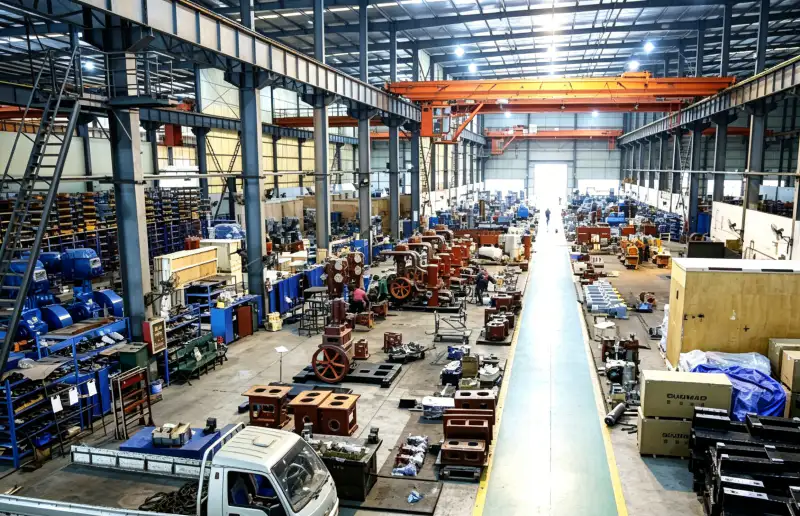
The Technical Challenges of Hydrogen Compression
Compressing hydrogen is vastly different from compressing standard ambient air. Due to its small molecular size and low density, hydrogen demands specialized machinery designed to address three primary hurdles:
- Purity Retention: Hydrogen fuel cells require extremely high purity levels. Any oil or mechanical contaminant introduced during compression can permanently ruin expensive fuel cell stacks.
- Leakage Prevention: Because hydrogen molecules are tiny and prone to embrittling standard metals, seal integrity and advanced metallurgy are non-negotiable.
- Acoustic & Thermal Management: Traditional high-pressure compressors generate extreme heat and intense operational noise, creating challenging environments for technicians and neighboring facilities.
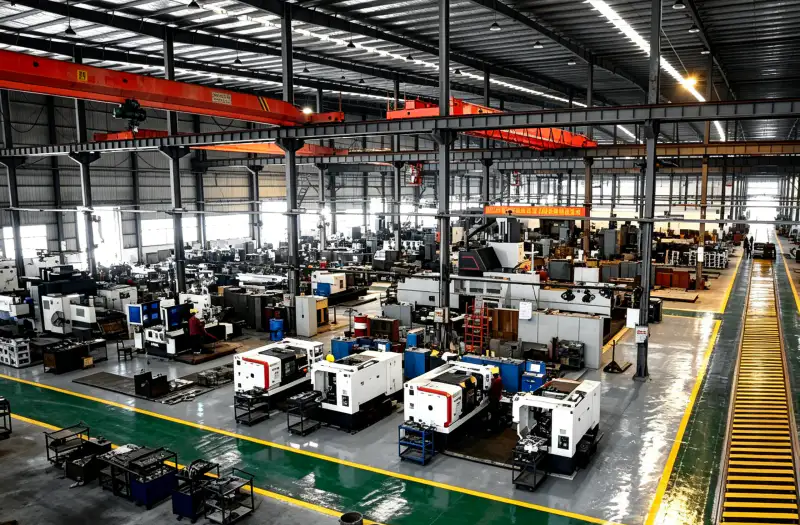
Why Low-Noise Engineering Matters in Green Energy
In modern industrial settings, working conditions matter just as much as raw performance. High-decibel machinery not only creates severe noise pollution but also increases equipment wear due to excessive vibration. Leading manufacturers have redesigned compressor architectures to feature ultra-quiet operation, oil-free compression, and smart cooling systems.
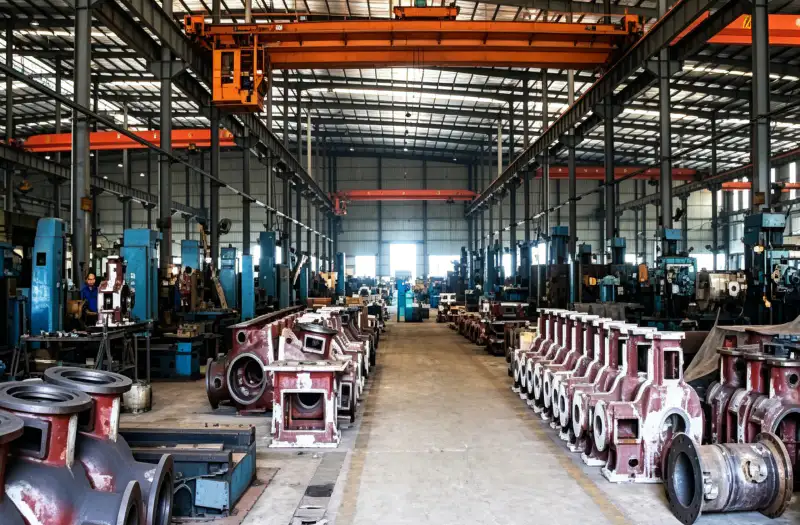
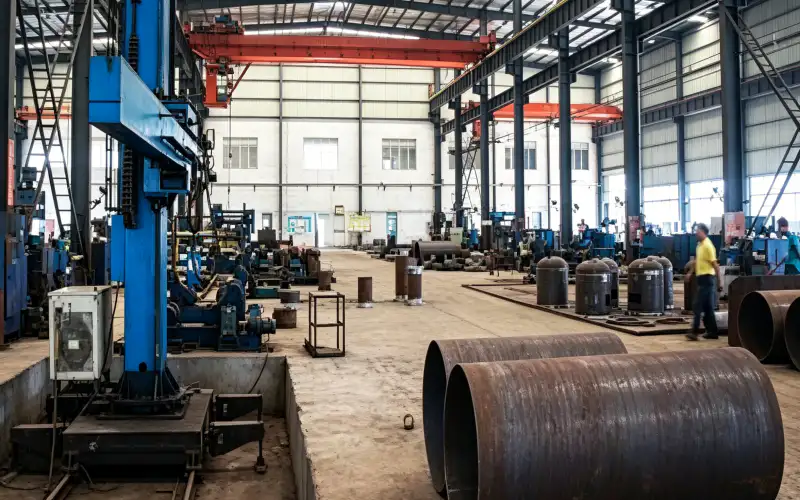
For operators prioritizing workplace safety without sacrificing pressure output, upgrading infrastructure is essential. Investing in specialized ultra-quiet hydrogen compressors offers a direct path toward cleaner, more reliable, and significantly less disruptive operations.
Key Features to Look For in Modern Compressors
When evaluating equipment for your facility or refueling station, prioritize the following specifications to ensure optimal ROI and safety:
| Feature | Importance |
|---|---|
| Oil-Free Design | Guarantees strict gas purity required for fuel-cell grade hydrogen. |
| Acoustic Shielding | Protects worker health and satisfies stringent local noise regulations. |
| Smart Control Systems | Enables real-time pressure monitoring and automated safety shut-offs. |
The Path Forward
As hydrogen infrastructure continues to scale globally, selecting the right compression technology is critical to long-term operational success. By opting for engineered systems that prioritize high efficiency, low maintenance, and ultra-quiet performance, facilities can maximize uptime while maintaining a world-class working environment.
Ready to upgrade your high-pressure gas solutions? Connect with our expert team to find the perfect configuration for your specific industrial needs.