Product Description
Our main products include full series products of CNHTC(HOWO,STR,Golden Prince,etc.), and spare partsfor them. At the same time, we are always glad to provide professional suggestion for your orders, related technical support, and perfect after-sales services.
1. GENUINE ORIGINAL QUALITY
2. GOOD AFTER-SALES SERVICE
3.PROFESSIONAL AND STABLE PARTS SUPPLY
4. DELIVERY WITHIN 10 DAYS AFTER CONFIRM DETAILS
Our Advantages
(1)Competitive Factory Price and Excellent Quality
(2)More than 20 years’ experience as a manufacturer
(3)Products Quality Certification SGS CCC ISO
(4)Perfect after-sale service
(5)Customized products available with us
(6)Export to more than 50 countries and regions
FAQ
| Q1: I want the front 2 tires are bias tires and the rear 9 tires are radial tires, is it ok ? |
| A: We can make the tires as your requirement to suit your country’s need. |
| Q2: What about your products quality ? |
| A: Quality is our culture! “Our factory has advanced production technology and management team! We always attach great importance to quality controlling from the very beginning! |
| Q 3: Can i have samples of this type of flatbed semi trailer to test the quality ? |
| A: Yes, you can buy any samples to test the quality,our MOQ is 1 unit. |
| Q 4: What others we can do ? |
| A: According to your order, we will provide the best price and quality trucks and trailers. And we are well capable in offering overseas after-sales service. Besides, we also provide rational packing and shipping program,let shipment save money and security. |
| Q 5: How to guarantee customers get the goods smoothly after they pay ? |
| A: Don’t worry, dear. We have been in this field for 10 years, we will send you production photos once in a while, and we will help you to book the latest ship. |
| Q 6: What’s the delivery time ? |
| A: The delivery time is within 15 working days after receiving your advance payment. |
| Q 7: Can you supply some quick-wear truck or semi trailer parts ? |
| A: Yes, we can supply truck and semi trailer parts as your request,such as oil filter, fuel filter, air filter, traction, traction pin, balance beam and semi-trailer plate spring, hanging accessories, turntable, all kinds of trailer brake pads, brake pan, bearings etc. |
| Q 8: Do you have any used truck and semi trailer for sale ? |
| A: We have some trucks and trailers in stock for choice, from 2571-2016 year, the price are favorable. We’ll show you our stock if you need. |
| Q 9: Which INCOTERMS 2571 TERMS can we work ? |
| MAOWO is a professional and sophisticated international player, can handle all INCOTERMS 2571 terms, and we normally work on FOB, CFR, CIF, CIP, EXW. |
| Q 10: What logistics ways we can work for shipment? |
| A: We can ship construction machinery by various transportation tools. (1) For 80% of our shipment, we will go by sea, to all main continents such as South America, Middle East, Africa, Oceania etc. Either by container or RoRo/Bulk shipment. (2) For neighborhood countries of China, such as Russia, Mongolia, Kazakhstan, Uzbekistan , Vietnam, Laos etc.,we can ship construction machinery by road or railway. (3) For light spare parts in urgent demand, we can ship it by international courier service, such as DHL, TNT, UPS, or Fedex. |
Our warehouse:
Transport
We can offer spare parts for these brands :
Company information
R&L INTERNATIONAL INDUSTRY LTD is 1 of the main exporters of Chinese trucks which is authorized by Ministry of Commerce
Staff of our company can provide the trucks meeting the requirement of customers at the best price. We have many years of experience in exporting trucks. We have not only the certificate and license of truck export and also strict quality management,fast and convenient channel of goods delivery, strict examination in quality and quantity of products, professional packing, professional and reliable loading goods,ontime delivery and competitive prices.if you want to buy tractor truck,please contact us.
We sincerely hope to cooperate with you to expand market in your country!
| After-sales Service: | 24 Hour Hot Line |
|---|---|
| Warranty: | 3-5 Month |
| Type: | Air Compressor |
| Delivery Detail: | Within 7 Days After Receive Your Payment |
| Transport Package: | Carton Case or Under Client′ S Requirement. |
| Specification: | standard size |
| Customization: |
Available
|
|
|---|
.webp)
Can air compressors be used for painting and sandblasting?
Yes, air compressors can be used for both painting and sandblasting applications. Here’s a closer look at how air compressors are utilized for painting and sandblasting:
Painting:
Air compressors are commonly used in painting processes, especially in automotive, industrial, and construction applications. Here’s how they are involved:
- Spray Guns: Air compressors power spray guns used for applying paint coatings. The compressed air atomizes the paint, creating a fine mist that can be evenly sprayed onto surfaces. The pressure and volume of the compressed air impact the spray pattern, coverage, and overall finish quality.
- Paint Mixers and Agitators: Compressed air is often used to power mixers and agitators that ensure proper blending of paint components. These devices use the compressed air to stir or circulate the paint, preventing settling and maintaining a consistent mixture.
- Airbrushing: Air compressors are essential for airbrushing techniques, which require precise control over airflow and pressure. Airbrushes are commonly used in artistic applications, such as illustrations, murals, and fine detailing work.
Sandblasting:
Air compressors play a crucial role in sandblasting operations, which involve propelling abrasive materials at high velocity to clean, etch, or prepare surfaces. Here’s how air compressors are used in sandblasting:
- Blasting Cabinets: Air compressors power blasting cabinets or booths, which are enclosed spaces where the sandblasting process takes place. The compressed air propels the abrasive media, such as sand or grit, through a nozzle or gun, creating a forceful stream that impacts the surface being treated.
- Abrasive Blasting Pots: Air compressors supply air to abrasive blasting pots or tanks that store and pressurize the abrasive media. The compressed air from the compressor enters the pot, pressurizing it and allowing for a controlled release of the abrasive material during the sandblasting process.
- Air Dryers and Filters: In sandblasting applications, it is crucial to have clean, dry air to prevent moisture and contaminants from affecting the abrasive blasting process and the quality of the surface being treated. Air compressors may be equipped with air dryers and filters to remove moisture, oil, and impurities from the compressed air.
When using air compressors for painting or sandblasting, it is important to consider factors such as the compressor’s pressure and volume output, the specific requirements of the application, and the type of tools or equipment being used. Consult the manufacturer’s guidelines and recommendations to ensure the air compressor is suitable for the intended painting or sandblasting tasks.
Proper safety measures, such as wearing protective gear and following established protocols, should always be followed when working with air compressors for painting and sandblasting applications.
.webp)
How are air compressors used in refrigeration and HVAC systems?
Air compressors play a vital role in refrigeration and HVAC (Heating, Ventilation, and Air Conditioning) systems, providing the necessary compression of refrigerant gases and facilitating the heat transfer process. Here are the key ways in which air compressors are used in refrigeration and HVAC systems:
1. Refrigerant Compression:
In refrigeration systems, air compressors are used to compress the refrigerant gas, raising its pressure and temperature. This compressed gas then moves through the system, where it undergoes phase changes and heat exchange to enable cooling or heating. The compressor is the heart of the refrigeration cycle, as it pressurizes and circulates the refrigerant.
2. Refrigeration Cycle:
The compression of refrigerant gas by the air compressor is an essential step in the refrigeration cycle. After compression, the high-pressure, high-temperature gas flows to the condenser, where it releases heat and condenses into a liquid. The liquid refrigerant then passes through an expansion valve or device, which reduces its pressure and temperature. This low-pressure, low-temperature refrigerant then enters the evaporator, absorbing heat from the surrounding environment and evaporating back into a gas. The cycle continues as the gas returns to the compressor for re-compression.
3. HVAC Cooling and Heating:
In HVAC systems, air compressors are used to facilitate cooling and heating processes. The compressor compresses the refrigerant gas, which allows it to absorb heat from the indoor environment in the cooling mode. The compressed gas releases heat in the outdoor condenser unit and then circulates back to the compressor to repeat the cycle. In the heating mode, the compressor reverses the refrigeration cycle, absorbing heat from the outdoor air or ground source and transferring it indoors.
4. Air Conditioning:
Air compressors are an integral part of air conditioning systems, which are a subset of HVAC systems. Compressed refrigerant gases are used to cool and dehumidify the air in residential, commercial, and industrial buildings. The compressor pressurizes the refrigerant, initiating the cooling cycle that removes heat from the indoor air and releases it outside.
5. Compressor Types:
Refrigeration and HVAC systems utilize different types of air compressors. Reciprocating compressors, rotary screw compressors, and scroll compressors are commonly used in these applications. The selection of the compressor type depends on factors such as system size, capacity requirements, efficiency, and application-specific considerations.
6. Energy Efficiency:
Efficient operation of air compressors is crucial for refrigeration and HVAC systems. Energy-efficient compressors help minimize power consumption and reduce operating costs. Additionally, proper compressor sizing and system design contribute to the overall energy efficiency of refrigeration and HVAC systems.
By effectively compressing refrigerant gases and facilitating the heat transfer process, air compressors enable the cooling and heating functions in refrigeration and HVAC systems, ensuring comfortable indoor environments and efficient temperature control.
.webp)
What is the role of air compressor tanks?
Air compressor tanks, also known as receiver tanks or air receivers, play a crucial role in the operation of air compressor systems. They serve several important functions:
1. Storage and Pressure Regulation: The primary role of an air compressor tank is to store compressed air. As the compressor pumps air into the tank, it accumulates and pressurizes the air. The tank acts as a reservoir, allowing the compressor to operate intermittently while providing a steady supply of compressed air during periods of high demand. It helps regulate and stabilize the pressure in the system, reducing pressure fluctuations and ensuring a consistent supply of air.
2. Condensation and Moisture Separation: Compressed air contains moisture, which can condense as the air cools down inside the tank. Air compressor tanks are equipped with moisture separators or drain valves to collect and remove this condensed moisture. The tank provides a space for the moisture to settle, allowing it to be drained out periodically. This helps prevent moisture-related issues such as corrosion, contamination, and damage to downstream equipment.
3. Heat Dissipation: During compression, air temperature increases. The air compressor tank provides a larger surface area for the compressed air to cool down and dissipate heat. This helps prevent overheating of the compressor and ensures efficient operation.
4. Pressure Surge Mitigation: Air compressor tanks act as buffers to absorb pressure surges or pulsations that may occur during compressor operation. These surges can be caused by variations in demand, sudden changes in airflow, or the cyclic nature of reciprocating compressors. The tank absorbs these pressure fluctuations, reducing stress on the compressor and other components, and providing a more stable and consistent supply of compressed air.
5. Energy Efficiency: Air compressor tanks contribute to energy efficiency by reducing the need for the compressor to run continuously. The compressor can fill the tank during periods of low demand and then shut off when the desired pressure is reached. This allows the compressor to operate in shorter cycles, reducing energy consumption and minimizing wear and tear on the compressor motor.
6. Emergency Air Supply: In the event of a power outage or compressor failure, the stored compressed air in the tank can serve as an emergency air supply. This can provide temporary air for critical operations, allowing time for maintenance or repairs to be carried out without disrupting the overall workflow.
Overall, air compressor tanks provide storage, pressure regulation, moisture separation, heat dissipation, pressure surge mitigation, energy efficiency, and emergency backup capabilities. They are vital components that enhance the performance, reliability, and longevity of air compressor systems in various industrial, commercial, and personal applications.


editor by CX 2023-11-28
China Best Sales High-Quality Bicycle Car Tire Inflator 12V Air Compressor air compressor price
Product Description
High-Quality Bicycle Car Tire Inflator 12V Air Compressor
| Item No. |
QB201 |
| Weight | 2.81KG |
| Material | Plastic,Rubber,Copper,Steel |
| Voltage | DC12V |
| Output | 45L/min |
|
Pressure range |
100psi |
| External wire length | 2.8mm |
| Blast capacity |
20L/min |
Unit change for psi, bar and KPa
|
UNIT |
PSI(LB/IN2) |
BAR |
KG/CM2 |
|
1PSI |
1 |
0.069 |
0.07 |
|
1BAR |
14.5 |
1 |
1.02 |
|
1KG/CM2 |
14.2 |
0.98 |
1 |
Q: Why Choose CHINAMFG Tire gauges?
A: Professional tool worth having, UNIVERSAL FIT CAR TRUCK Protect your vehicle, Extend useful life
of tyre.Save your FUEL cost, Enhance your driving ability ,The key reason should be repeated 3 times.
Keep you and your family safer,Keep you and your family safer,Keep you and your family safer.
Q: Are you manufacturer or trader?
A: We are a manufacturer specialized in machining field for 18 years.
Q: What’s your location? Which is the nearest port for CHINAMFG INSHangZhouT?
A: CHINAMFG INSHangZhouT is located in HangZhou,HangZhou city, where is near from ZheJiang and HangZhou port.
Q: What’s your MOQ?
A: 200pcs for dial gauges. 1000pcs for pen tire gauges.
Q: What’s your Delivery time?
A: 15-30days according to the order quantity ( can be negotiable).
Q : What’s your payment term?
A: T/T, Paypal, West Union,Alipay and etc. all creditable customers from all over the word are welcome.
Q: If you make poor quality goods, will you refund our fund?
A: As a matter of fact, we do full inspection, it is nearly impossible for us to do poor quality products.
Meanwhile, we manufacture qualified products until your satisfaction.
Anyway, if you find any problem is really caused by ourside, we can refund.
| Voltage: | 12V |
|---|---|
| Max Pressure: | 100psi |
| Material: | ABS |
| Samples: |
US$ 21.8/Piece
1 Piece(Min.Order) | Order Sample |
|---|
| Customization: |
Available
|
|
|---|
.shipping-cost-tm .tm-status-off{background: none;padding:0;color: #1470cc}
| Shipping Cost:
Estimated freight per unit. |
about shipping cost and estimated delivery time. |
|---|
| Payment Method: |
|
|---|---|
|
Initial Payment Full Payment |
| Currency: | US$ |
|---|
| Return&refunds: | You can apply for a refund up to 30 days after receipt of the products. |
|---|
.webp)
How are air compressors utilized in the aerospace industry?
Air compressors play a crucial role in various applications within the aerospace industry. They are utilized for a wide range of tasks that require compressed air or gas. Here are some key uses of air compressors in the aerospace industry:
1. Aircraft Systems:
Air compressors are used in aircraft systems to provide compressed air for various functions. They supply compressed air for pneumatic systems, such as landing gear operation, braking systems, wing flap control, and flight control surfaces. Compressed air is also utilized for starting aircraft engines and for cabin pressurization and air conditioning systems.
2. Ground Support Equipment:
Air compressors are employed in ground support equipment used in the aerospace industry. They provide compressed air for tasks such as inflating aircraft tires, operating pneumatic tools for maintenance and repair, and powering air-driven systems for fueling, lubrication, and hydraulic operations.
3. Component Testing:
Air compressors are utilized in component testing within the aerospace industry. They supply compressed air for testing and calibrating various aircraft components, such as valves, actuators, pressure sensors, pneumatic switches, and control systems. Compressed air is used to simulate operating conditions and evaluate the performance and reliability of these components.
4. Airborne Systems:
In certain aircraft, air compressors are employed for specific airborne systems. For example, in military aircraft, air compressors are used for air-to-air refueling systems, where compressed air is utilized to transfer fuel between aircraft in mid-air. Compressed air is also employed in aircraft de-icing systems, where it is used to inflate inflatable de-icing boots on the wing surfaces to remove ice accumulation during flight.
5. Environmental Control Systems:
Air compressors play a critical role in the environmental control systems of aircraft. They supply compressed air for air conditioning, ventilation, and pressurization systems, ensuring a comfortable and controlled environment inside the aircraft cabin. Compressed air is used to cool and circulate air, maintain desired cabin pressure, and control humidity levels.
6. Engine Testing:
In the aerospace industry, air compressors are utilized for engine testing purposes. They provide compressed air for engine test cells, where aircraft engines are tested for performance, efficiency, and durability. Compressed air is used to simulate different operating conditions and loads on the engine, allowing engineers to assess its performance and make necessary adjustments or improvements.
7. Oxygen Systems:
In aircraft, air compressors are involved in the production of medical-grade oxygen for onboard oxygen systems. Compressed air is passed through molecular sieve beds or other oxygen concentrator systems to separate oxygen from other components of air. The generated oxygen is then supplied to the onboard oxygen systems, ensuring a sufficient and continuous supply of breathable oxygen for passengers and crew at high altitudes.
It is important to note that air compressors used in the aerospace industry must meet stringent quality and safety standards. They need to be reliable, efficient, and capable of operating under demanding conditions to ensure the safety and performance of aircraft systems.
.webp)
How do you troubleshoot common air compressor problems?
Troubleshooting common air compressor problems can help identify and resolve issues that may affect the performance and functionality of the compressor. Here are some steps to troubleshoot common air compressor problems:
1. No Power:
- Check the power source and ensure the compressor is properly plugged in.
- Inspect the circuit breaker or fuse box to ensure it hasn’t tripped or blown.
- Verify that the compressor’s power switch or control panel is turned on.
2. Low Air Pressure:
- Check the air pressure gauge on the compressor. If the pressure is below the desired level, the compressor might not be building up enough pressure.
- Inspect for air leaks in the system. Leaks can cause a drop in pressure. Listen for hissing sounds or use a soapy water solution to identify the location of leaks.
- Ensure the compressor’s intake filter is clean and not clogged, as this can restrict airflow and reduce pressure.
3. Excessive Noise or Vibration:
- Inspect the compressor’s mounting and foundation to ensure it is secure and stable. Loose mounts can cause excessive noise and vibration.
- Check for loose or damaged components, such as belts, pulleys, or motor mounts. Tighten or replace as necessary.
- Verify that the compressor’s cooling system, such as the fan or fins, is clean and free from obstructions. Overheating can lead to increased noise and vibration.
4. Air Leaks:
- Inspect all connections, valves, fittings, and hoses for leaks. Tighten or replace any loose or damaged components.
- Apply a soapy water solution to suspected areas and look for bubbles. Bubbles indicate air leaks.
- Consider using thread sealant or Teflon tape on threaded connections to ensure a proper seal.
5. Excessive Moisture in Compressed Air:
- Check the compressor’s drain valve and ensure it is functioning properly. Open the valve to release any accumulated moisture.
- Inspect and clean the compressor’s moisture separator or air dryer, if equipped.
- Consider installing additional filtration or drying equipment to remove moisture from the compressed air system.
6. Motor Overheating:
- Ensure the compressor’s cooling system is clean and unobstructed.
- Check the motor’s air intake vents and clean any dust or debris that may be blocking airflow.
- Verify that the compressor is not being operated in an excessively hot environment.
- Check the motor’s lubrication levels and ensure they are within the manufacturer’s recommended range.
- Consider using a thermal overload protector to prevent the motor from overheating.
If troubleshooting these common problems does not resolve the issue, it may be necessary to consult the manufacturer’s manual or seek assistance from a qualified technician. Regular maintenance, such as cleaning, lubrication, and inspection, can also help prevent common problems and ensure the optimal performance of the air compressor.
What is the role of air compressor tanks?
Air compressor tanks, also known as receiver tanks or air receivers, play a crucial role in the operation of air compressor systems. They serve several important functions:
1. Storage and Pressure Regulation: The primary role of an air compressor tank is to store compressed air. As the compressor pumps air into the tank, it accumulates and pressurizes the air. The tank acts as a reservoir, allowing the compressor to operate intermittently while providing a steady supply of compressed air during periods of high demand. It helps regulate and stabilize the pressure in the system, reducing pressure fluctuations and ensuring a consistent supply of air.
2. Condensation and Moisture Separation: Compressed air contains moisture, which can condense as the air cools down inside the tank. Air compressor tanks are equipped with moisture separators or drain valves to collect and remove this condensed moisture. The tank provides a space for the moisture to settle, allowing it to be drained out periodically. This helps prevent moisture-related issues such as corrosion, contamination, and damage to downstream equipment.
3. Heat Dissipation: During compression, air temperature increases. The air compressor tank provides a larger surface area for the compressed air to cool down and dissipate heat. This helps prevent overheating of the compressor and ensures efficient operation.
4. Pressure Surge Mitigation: Air compressor tanks act as buffers to absorb pressure surges or pulsations that may occur during compressor operation. These surges can be caused by variations in demand, sudden changes in airflow, or the cyclic nature of reciprocating compressors. The tank absorbs these pressure fluctuations, reducing stress on the compressor and other components, and providing a more stable and consistent supply of compressed air.
5. Energy Efficiency: Air compressor tanks contribute to energy efficiency by reducing the need for the compressor to run continuously. The compressor can fill the tank during periods of low demand and then shut off when the desired pressure is reached. This allows the compressor to operate in shorter cycles, reducing energy consumption and minimizing wear and tear on the compressor motor.
6. Emergency Air Supply: In the event of a power outage or compressor failure, the stored compressed air in the tank can serve as an emergency air supply. This can provide temporary air for critical operations, allowing time for maintenance or repairs to be carried out without disrupting the overall workflow.
Overall, air compressor tanks provide storage, pressure regulation, moisture separation, heat dissipation, pressure surge mitigation, energy efficiency, and emergency backup capabilities. They are vital components that enhance the performance, reliability, and longevity of air compressor systems in various industrial, commercial, and personal applications.
editor by CX 2023-11-21
China high quality 30MPa 100L/Min Honda Engine Driven Refilling Air Compressor air compressor portable
Product Description
300Bar Air Compressor
Portable high pressure air compressor is a portable compressor for breathing in diving, firefighting. It is small and light, and can be moved by a single man. It compresses free air to 30Mpa and removes oil, vapor and other contaminants by filters and separators. It is safe and reliable source of pure air. The air quality accords to EN international breathing compressed air quality
Features:
4-stage, air-cooling piston reciprocating
Oil splash lubrication
Stainless steel inter-cooler and after cooler
Specially treated alloy cylinder, piston and piston ring
High-strength nylon cooling fan assembly
Manual condensate drain knobs
Intake filter
Anti-shock floor mat
Anti-shock pressure gauge
Safety valves protection for every stage
High temperature resistance plastic powder coating steel frame and base
Activated carbon, monocular sieve for air purification in the filter
Filters are made by seamless aluminum alloy and bears 550bar pressure
1 Filling hose and filling valve
Consumables and manuals are provided with every compressor
1 year warranty
| Model | Operating pressure | Drive | Delivery rate | Power | Dimension | N. weight | Noise level |
| 100L/min | 300BAR | Honda engine | 100L/min | 5.5Hp | 74*32*41 | 43 kg | <79 dB(A) |
| 100L/min | 300BAR | three-phase motor | 100L/min | 3kw | 60*38*41 | 44 kg | <78 dB(A) |
| 100L/min | 300BAR | single-phase motor | 100L/min | 2.2kw | 60*38*41 | 45 kg | <78 dB(A) |
SCBA Fire fighting Air Breathing Apparatus
EEBD Emergency Escape Breathing Device
| Capacity: | 100L/Min~500L/Min |
|---|---|
| Engine: | Gasoline Motor/Electric Motor |
| Pressure: | 30MPa |
| Type: | Rotary |
| Performance: | Low Noise |
| Drive Mode: | Automatic |
| Samples: |
US$ 1700/Piece
1 Piece(Min.Order) | |
|---|
| Customization: |
Available
|
|
|---|
.webp)
What role do air dryers play in compressed air systems?
Air dryers play a crucial role in compressed air systems by removing moisture and contaminants from the compressed air. Compressed air, when generated, contains water vapor from the ambient air, which can condense and cause issues in the system and end-use applications. Here’s an overview of the role air dryers play in compressed air systems:
1. Moisture Removal:
Air dryers are primarily responsible for removing moisture from the compressed air. Moisture in compressed air can lead to problems such as corrosion in the system, damage to pneumatic tools and equipment, and compromised product quality in manufacturing processes. Air dryers utilize various techniques, such as refrigeration, adsorption, or membrane separation, to reduce the dew point of the compressed air and eliminate moisture.
2. Contaminant Removal:
In addition to moisture, compressed air can also contain contaminants like oil, dirt, and particles. Air dryers help in removing these contaminants to ensure clean and high-quality compressed air. Depending on the type of air dryer, additional filtration mechanisms may be incorporated to enhance the removal of oil, particulates, and other impurities from the compressed air stream.
3. Protection of Equipment and Processes:
By removing moisture and contaminants, air dryers help protect the downstream equipment and processes that rely on compressed air. Moisture and contaminants can negatively impact the performance, reliability, and lifespan of pneumatic tools, machinery, and instrumentation. Air dryers ensure that the compressed air supplied to these components is clean, dry, and free from harmful substances, minimizing the risk of damage and operational issues.
4. Improved Productivity and Efficiency:
Utilizing air dryers in compressed air systems can lead to improved productivity and efficiency. Dry and clean compressed air reduces the likelihood of equipment failures, downtime, and maintenance requirements. It also prevents issues such as clogging of air lines, malfunctioning of pneumatic components, and inconsistent performance of processes. By maintaining the quality of compressed air, air dryers contribute to uninterrupted operations, optimized productivity, and cost savings.
5. Compliance with Standards and Specifications:
Many industries and applications have specific standards and specifications for the quality of compressed air. Air dryers play a vital role in meeting these requirements by ensuring that the compressed air meets the desired quality standards. This is particularly important in industries such as food and beverage, pharmaceuticals, electronics, and automotive, where clean and dry compressed air is essential for product integrity, safety, and regulatory compliance.
By incorporating air dryers into compressed air systems, users can effectively control moisture and contaminants, protect equipment and processes, enhance productivity, and meet the necessary quality standards for their specific applications.
.webp)
Can air compressors be used for inflating tires and sporting equipment?
Yes, air compressors can be used for inflating tires and sporting equipment, providing a convenient and efficient method for achieving the desired air pressure. Here’s how air compressors are used for these purposes:
1. Tire Inflation:
Air compressors are commonly used for inflating vehicle tires, including car tires, motorcycle tires, bicycle tires, and even larger truck or trailer tires. Air compressors provide a continuous source of pressurized air, allowing for quick and accurate inflation. They are often used in automotive repair shops, gas stations, and by individuals who regularly need to inflate tires.
2. Sporting Equipment Inflation:
Air compressors are also useful for inflating various types of sporting equipment. This includes inflatable balls such as soccer balls, basketballs, footballs, and volleyballs. Additionally, air compressors can be used to inflate inflatable water toys, air mattresses, inflatable kayaks, and other recreational items that require air for proper inflation.
3. Air Tools for Inflation:
Air compressors can power air tools specifically designed for inflation purposes. These tools, known as inflators or air blow guns, provide controlled airflow for inflating tires and sporting equipment. They often have built-in pressure gauges and nozzles designed to fit different types of valves, making them versatile and suitable for various inflation tasks.
4. Adjustable Pressure:
One advantage of using air compressors for inflation is the ability to adjust the pressure. Most air compressors allow users to set the desired pressure level using a pressure regulator or control knob. This feature ensures that tires and sporting equipment are inflated to the recommended pressure, promoting optimal performance and safety.
5. Efficiency and Speed:
Air compressors provide a faster and more efficient inflation method compared to manual pumps. The continuous supply of compressed air allows for quick inflation, reducing the time and effort required to inflate tires and sporting equipment manually.
6. Portable Air Compressors:
For inflating tires and sporting equipment on the go, portable air compressors are available. These compact and lightweight compressors can be easily carried in vehicles or taken to sports events and outdoor activities, ensuring convenient access to a reliable air supply.
It is important to note that when using air compressors for inflating tires, it is recommended to follow manufacturer guidelines and proper inflation techniques to ensure safety and avoid overinflation.
.webp)
What maintenance is required for air compressors?
Maintaining air compressors is essential to ensure their optimal performance, longevity, and safe operation. Regular maintenance helps prevent breakdowns, improves efficiency, and reduces the risk of accidents. Here are some key maintenance tasks for air compressors:
1. Regular Inspection: Perform visual inspections of the air compressor to identify any signs of wear, damage, or leaks. Inspect the compressor, hoses, fittings, and connections for any abnormalities. Pay attention to oil leaks, loose bolts, and worn-out components.
2. Oil Changes: If your air compressor has an oil lubrication system, regular oil changes are crucial. Follow the manufacturer’s recommendations for the frequency of oil changes and use the recommended oil type. Dirty or degraded oil can impact compressor performance and lead to premature wear.
3. Air Filter Cleaning or Replacement: Clean or replace the air filter regularly to ensure proper air intake and prevent contaminants from entering the compressor. Clogged or dirty filters can restrict airflow and reduce efficiency.
4. Drain Moisture: Air compressors produce moisture as a byproduct of the compression process. Accumulated moisture in the tank can lead to rust and corrosion. Drain the moisture regularly from the tank to prevent damage. Some compressors have automatic drains, while others require manual draining.
5. Belt Inspection and Adjustment: If your compressor has a belt-driven system, inspect the belts for signs of wear, cracks, or tension issues. Adjust or replace the belts as necessary to maintain proper tension and power transmission.
6. Tank Inspection: Inspect the compressor tank for any signs of corrosion, dents, or structural issues. A damaged tank can be hazardous and should be repaired or replaced promptly.
7. Valve Maintenance: Check the safety valves, pressure relief valves, and other valves regularly to ensure they are functioning correctly. Test the valves periodically to verify their proper operation.
8. Motor and Electrical Components: Inspect the motor and electrical components for any signs of damage or overheating. Check electrical connections for tightness and ensure proper grounding.
9. Keep the Area Clean: Maintain a clean and debris-free area around the compressor. Remove any dirt, dust, or obstructions that can hinder the compressor’s performance or cause overheating.
10. Follow Manufacturer’s Guidelines: Always refer to the manufacturer’s manual for specific maintenance instructions and recommended service intervals for your air compressor model. They provide valuable information on maintenance tasks, lubrication requirements, and safety precautions.
Regular maintenance is vital to keep your air compressor in optimal condition and extend its lifespan. It’s also important to note that maintenance requirements may vary depending on the type, size, and usage of the compressor. By following a comprehensive maintenance routine, you can ensure the reliable operation of your air compressor and maximize its efficiency and longevity.
editor by CX 2023-11-17
China Standard 200L Factory Price Low Noise electric oilfree oiless air compressor oil free air compressor with Hot selling
Applicable Industries: Building Material Shops, Machinery Repair Shops, Construction works , Energy & Mining
Showroom Location: Philippines, Chile, Romania
Condition: New
Type: PISTON
Configuration: PORTABLE
Power Source: AC POWER
Lubrication Style: Oil-free
Mute: NO
Voltage: 220V/50hz
Dimension(L*W*H): 150*45*85mm
Weight: 150kg, 150
Warranty: 1 Year
Working Pressure: 7 bar
Machinery Test Report: Provided
Video outgoing-inspection: Provided
Marketing Type: New Product 2571
Warranty of core components: 1.5 years
Core Components: Motor
Gas Type: Air
Product name: Oil free Piston Air Compressor
Model: HB2Mob/Whatsapp:86~803629568Add: Building 14, Zhengshangruizuan, HangZhou road, Xihu (West Lake) Dis. town, HangZhou, HangZhou, ZheJiang province,ChinaWeb: Any questions, please feel free to contact me! Flange Input Gear box vertical Mounted Wpo Wpx Wpa Type Worm Cast Iron Wp Series reduction Worm Speed Reducer Reduction Gearbox
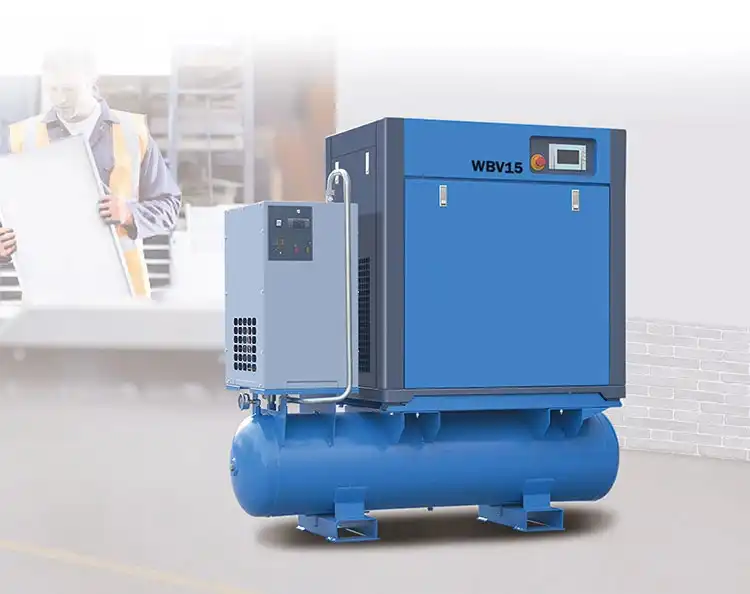
What to Look For When Buying an Air Compressor
An air compressor is a very useful tool that can help you complete many different types of construction jobs. This handy machine makes many tasks much easier, but not all of them are created equally. Understanding what to look for when buying an air compressor will help you make an informed decision. Here are some of the things you should look for. These include price, size, and energy efficiency. Also, make sure to consider the air compressor’s type.
Single-stage air compressors are quieter
When it comes to noise level, single-stage air compressors are the way to go. These machines have fewer moving parts and are quieter than two-stage models. Single-stage air compressors use an axial flow design and can be quieter than their dual-stage counterparts. Single-stage air compressors can run longer and at lower pressures. Single-stage air compressors can be used for light industrial applications. They have a long life expectancy, with some models lasting for over three thousand hours.
While some single-stage air compressors are quieter than two-stage air compressors, both models have noise-reduction features. One type features rubber parts, which are designed to dampen noise. Another feature makes a compressor quieter: its location near the job site. Some models feature rubber base plugs and rubber mats to reduce floor vibrations. In addition to using these features, single-stage compressors are easier to transport.
Noise levels are important when choosing an air compressor. Some machines are too noisy for comfortable work, and some businesses don’t want to expose customers to noise-generating air compressors. Other noise levels can even endanger workers’ health. Single-stage air compressors are more affordable than dual-stage compressors. They are also quieter and more powerful. But be prepared for the noise. Some single-stage air compressors are still noisy.
Compared to their two-stage counterparts, single-stage compressors are quieter when running at full capacity. However, double-stage compressors are quieter on low capacities than single-stage units. Those with variable speed are quietest at lower capacities. The difference is about 10db. If you’re concerned about the noise level, you should consider a two-stage air compressor. But if you have a small workshop, it may not be suitable for you.
One-stage air compressors are generally more efficient than two-stage air compressors. The noise from a two-stage air compressor is lower because there’s no intermediate stage. Single-stage air compressors also use a piston that rotates in a single stage, while dual-stage air compressors, also known as duplex models, are more efficient. A single-stage air compressor is quieter, but double-stage compressors are louder.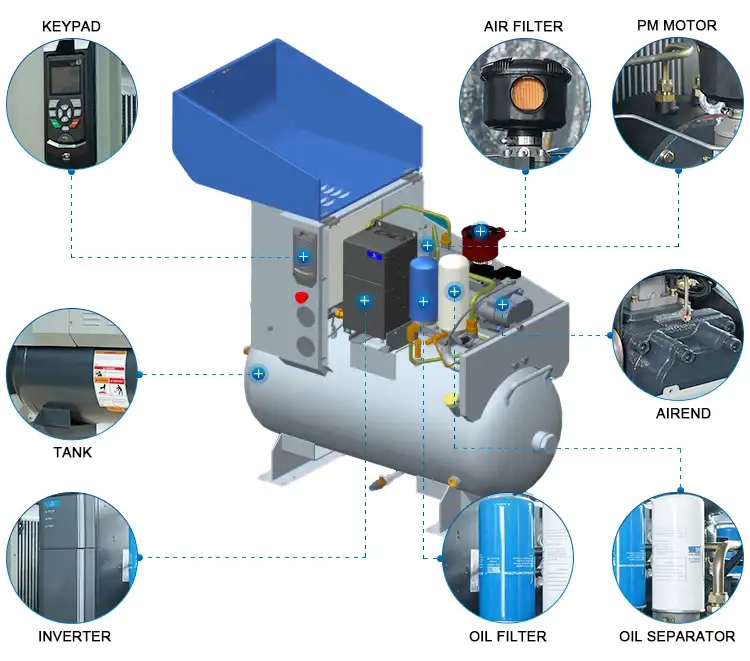
Two-stage air compressors are more energy efficient
Two-stage air compressors are more energy-efficient than single-stage machines. The efficiency of two-stage air compressors is increased through a combination of improved efficiency and increased longevity. These machines can store more air and have higher compression ratios. One model of a two-stage compressor can hold approximately 83 cubic feet of air at 100 PSI and 120 cubic feet at 150 PSI. A two-stage compressor is also quieter.
Two-stage air compressors are more energy-efficient because they have two pistons instead of one. These air compressors achieve a higher pressure rating and recover more quickly. This type of compressor is perfect for jobs that require high air pressure for a prolonged period of time. In addition, they can operate multiple tools simultaneously. This makes them better for commercial and industrial use. Listed below are some benefits of two-stage air compressors.
Single-stage air compressors can power tools in the garage or kitchen, but they are not as reliable for industrial applications. Single-stage compressors have larger parts that tend to experience condensation. Furthermore, single-stage compressors do not last long in continuous use and are less energy-efficient than two-stage ones. Whether you’re using the compressor for a single tradesperson, a small crew, or a large construction crew, two-stage compressors are the best choice.
Single-stage air compressors are often used in small-scale food preparation and production. Single-stage air compressors are easy to transport between locations, and can be plugged into several electrical outlets. Single-stage compressors are also ideal for high-volume food processing. A dual-stage air compressor is ideal for industrial use. In some cases, you can even move the single-stage air compressor between two-stage air compressors.
Single-stage compressors often cycle too quickly, drawing more electricity than two-stage units. A variable speed unit stays on a low speed for hours at a time. Single-stage air conditioners force you to lower your thermostat settings while single-stage air conditioners run too often. Both units are energy-efficient but they are not as energy-efficient as variable-speed compressors. The main difference is that single-stage air conditioners tend to drain the power source quicker.
Piston-driven air compressors are quieter
A piston-driven air compressor is one of the quietest types of air compressors. It is less noisy than reciprocating air compressors. A piston-driven air compressor can reach 62 decibels, while a scroll compressor is around half that volume. The two main components of a scroll air compressor are the piston and the helical screw. These air compressors are both very efficient and quiet.
Older compressors are incredibly noisy. They produce a “wumpa” noise similar to a large engine. They are also capable of producing a high-pitched whine. These noises can be deafening, especially in a small workshop. That’s why it’s essential to look for a quiet compressor. But what makes a compressor quiet? Read on to learn more about this essential tool.
Another difference between piston-driven air compressors and electric-driven air compressors is the power source. Electric air compressors produce less noise than gas-powered compressors, which use an engine. Piston-driven air compressors are also more efficient. They also generate less heat, making them an ideal choice for offices and other settings where noise is a problem. The best way to decide between the two types of air compressors is to check the manufacturer’s warranty and read the ‘Description’.
Noise reduction is the first priority of a compressor’s owner, so make sure that you have the right model. If you’re working on something sensitive, don’t place the compressor too close to a building where people might be nearby. Noise can be very disruptive to the workspace and can cause health problems. To help combat noise, you’ll need to buy a quiet air compressor. And don’t forget to consider its location: Piston-driven air compressors are quieter than their reciprocating counterparts.
Piston-driven air compressors are quiet because the piston is made of thin metal and more rubber, which absorbs the sound. Unlike reciprocating air compressors, piston-driven air compressors are more efficient than their dual-piston cousins, which are quieter and more powerful. So which type is right for you? Take a look at some of the main differences between the two. If you want a quiet compressor, make sure it meets the specifications required by the job you’re working on.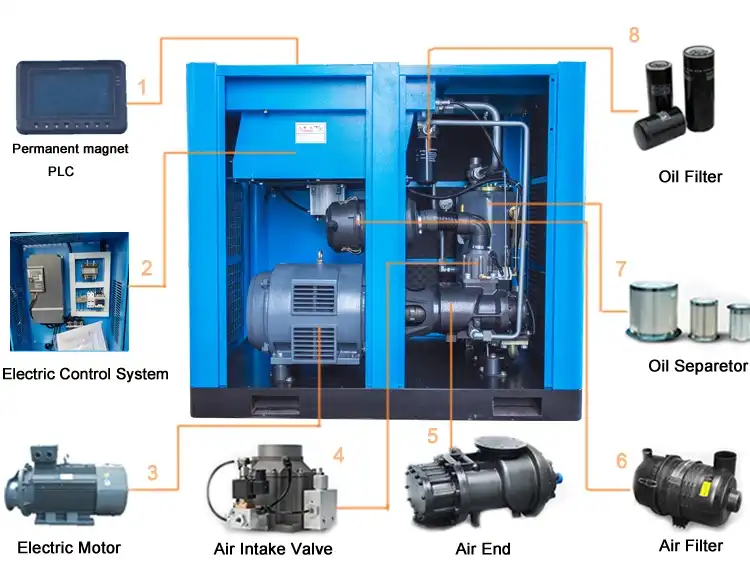
Oil-lubricated air compressors are more cost-effective
There are several reasons why oil-lubricated air compressors are more expensive than dry-type air compressors. First of all, oil-lubricated air compressors tend to be more reliable and quiet. Additionally, oil-lubricated air compressors require fewer parts and can last longer than dry-type air compressors. These are just a few of the many benefits of using oil-lubricated air compressors.
Oil-free air compressors have some disadvantages. They are less durable and may not be as efficient as oil-lubricated models. Additionally, because oil-lubricated air compressors use oil, they can get very noisy. While they are less expensive, they are not the best option for heavy-duty work. However, modern oil-free air compressors have soundproofing and are suitable for industrial use.
When purchasing an oil-lubricated air compressor, make sure to choose one with a tank capacity that meets your needs and your space. Larger tanks can be more expensive than small tanks, but larger units are easier to move around. Also, be sure to consider the weight and size of the portable air compressors when making your choice. If the weight is too large, you may have trouble carrying it from place to place.
Another benefit of using oil-lubricated air compressors is their reduced need for oil. These models can last up to a decade longer than oil-free counterparts. Oil-free air compressors are more affordable and can achieve the same high performance as their oil-lubricated counterparts. Many industrial applications benefit from these air compressors. So, which one is right for you? We’ve listed a few of them below.
Another benefit of choosing an oil-lubricated air compressor is the reduced cost of maintenance. This type is more durable than its oil-lubricated counterparts, which require regular oil changes to keep them running smoothly. However, it is not feasible to transport an oil-lubricated compressor, which means that you must install it permanently to keep it working efficiently. In addition, these air compressors are difficult to move and are not portable, which can limit your ability to use it in a pinch.
editor by Cx 2023-07-13
China Professional 16Bar 30 HP Frequency Variable Speed Electric Rotorcomp Rotary Screw Air Compressor 22kW wholesaler
Applicable Industries: Hotels, Building Material Shops, Manufacturing Plant, Machinery Repair Shops, Food & Beverage Factory, Farms, Restaurant, Home Use, Retail, Food Shop, Printing Shops, Construction works , Energy & Mining, Food & Beverage Shops, Factories for sale in china gear sprocket wheel for 25h roller chain for undercarriage parts Other, Advertising Company, Fiber laser cutting industry
Showroom Location: Canada, United States, Viet Nam, Peru, Indonesia, India, Mexico, Russia, Spain, Thailand, Chile, Sri Lanka, NMRV worm gearbox reducer South Africa, Malaysia, Australia
Condition: New
Type: Screw
Configuration: Stationary
Power Source: AC POWER
Lubrication Style: Lubricated
Mute: Yes
Model Number: DMZY-30A
Voltage: 380V/50Hz/3ph Optional
Dimension(L*W*H): 1882*790*1731mm
Weight: 585kg
Warranty: 2 Years
Working Pressure: 14 bar, 13 bar, 10 bar, 16bar
Air capacity: 0.6m3~2.5m3/min
Machinery Test Report: Provided
Video outgoing-inspection: Provided
Marketing Type: New Product 2571
Warranty of core components: 1 Year
Core Components: PLC, Pressure vessel, Engine, Gear, Motor, Pump, Bearing, Gearbox, Airend
Gas Type: Air
Product name: Screw Air Compressor
Air delivery: 2.41m3/min 85cfm
Pressure: 16bar 232psi
Air end: GHH/Rotorcomp/Hanbell
Motor: Suma/WEG/ABB
Motor protection: IP65 oil cooling type
Cooling method: air cooling
Control: PLC
Start method: Frequency conversion start
MOQ: 1 Set
Packaging Details: Plywood case
Port: ZheJiang
16Bar 30 HP Frequency Variable Speed Electric Rotorcomp Rotary Screw Air Compressor 22kW 16Bar 30 HP Frequency Variable Speed Electric Rotorcomp Rotary Screw Air Compressor 22kW Model:DMZY-30A Air delivery: 2.41m³ The Price of Factory Automatic Stirrup Iron Rebar Steel Wire Bender Bending Machine /min Working pressure: 16bar Air tank: 500L Air dryer: 16bar/3.6m³ Filter: 16bar/3.5m³/4 pcsStart mode: frequency conversion start Laser cutting machine power: 6000W-8000W Filter fineness, use 4 stage filters, particlecontent≤0.01μm oil content≤0.003PPM Equipment configuration: screw air compressor, air tank, air dryer, 4 stage filters, auto drain valve, inverter. Technical Parameters
| Model | Capacity (m3/min) | Pressure(Bar ) | Power(kw) | Noise(DB) | Outlet diameter | Dimension(mm) | Weight(kg) | Air tank(L) | Exhaust oil content(ppm) |
| DBZY-10A | 0.55 | 1.58 | 7.5 | 65 | G3/4 | 1418*700*1500 | 395 | 260 | 0.01 |
| DBZY-15A | 1.05 | 1.58 | 11 | 65 | G3/4 | 1882*790*1731 | 560 | 500 | 0.01 |
| DBZY-20A | 1.51 | 1.58 | 15 | 65 | G3/4 | 1882*790*1731 | 572 | 500 | 0.01 |
| DMZY-15A | 1.05 | 1.58 | 11 | 65 | G3/4 | 1882*790*1731 | 560 | 500 | 0.01 |
| DMZY-20A | 1.52 | 1.58 | 15 | 65 | G3/4 | 1882*790*1731 | 572 | 500 | 0.01 |
| DMZY-30A | 2.41 | 1.58 | 22 | 68 | G3/4 | 1882*1081*1801 | 630 | 500 | 0.01 |
| DCZY-30A | 2.21 | 1.58 | 22 | 68 | G3/4 | 1882*1081*1801 | 630 | 500 | 0.01 |
What to Look For When Buying an Air Compressor
An air compressor is a very useful tool that can help you complete many different types of construction jobs. This handy machine makes many tasks much easier, but not all of them are created equally. Understanding what to look for when buying an air compressor will help you make an informed decision. Here are some of the things you should look for. These include price, size, and energy efficiency. Also, make sure to consider the air compressor’s type.
Single-stage air compressors are quieter
When it comes to noise level, single-stage air compressors are the way to go. These machines have fewer moving parts and are quieter than two-stage models. Single-stage air compressors use an axial flow design and can be quieter than their dual-stage counterparts. Single-stage air compressors can run longer and at lower pressures. Single-stage air compressors can be used for light industrial applications. They have a long life expectancy, with some models lasting for over three thousand hours.
While some single-stage air compressors are quieter than two-stage air compressors, both models have noise-reduction features. One type features rubber parts, which are designed to dampen noise. Another feature makes a compressor quieter: its location near the job site. Some models feature rubber base plugs and rubber mats to reduce floor vibrations. In addition to using these features, single-stage compressors are easier to transport.
Noise levels are important when choosing an air compressor. Some machines are too noisy for comfortable work, and some businesses don’t want to expose customers to noise-generating air compressors. Other noise levels can even endanger workers’ health. Single-stage air compressors are more affordable than dual-stage compressors. They are also quieter and more powerful. But be prepared for the noise. Some single-stage air compressors are still noisy.
Compared to their two-stage counterparts, single-stage compressors are quieter when running at full capacity. However, double-stage compressors are quieter on low capacities than single-stage units. Those with variable speed are quietest at lower capacities. The difference is about 10db. If you’re concerned about the noise level, you should consider a two-stage air compressor. But if you have a small workshop, it may not be suitable for you.
One-stage air compressors are generally more efficient than two-stage air compressors. The noise from a two-stage air compressor is lower because there’s no intermediate stage. Single-stage air compressors also use a piston that rotates in a single stage, while dual-stage air compressors, also known as duplex models, are more efficient. A single-stage air compressor is quieter, but double-stage compressors are louder.
Two-stage air compressors are more energy efficient
Two-stage air compressors are more energy-efficient than single-stage machines. The efficiency of two-stage air compressors is increased through a combination of improved efficiency and increased longevity. These machines can store more air and have higher compression ratios. One model of a two-stage compressor can hold approximately 83 cubic feet of air at 100 PSI and 120 cubic feet at 150 PSI. A two-stage compressor is also quieter.
Two-stage air compressors are more energy-efficient because they have two pistons instead of one. These air compressors achieve a higher pressure rating and recover more quickly. This type of compressor is perfect for jobs that require high air pressure for a prolonged period of time. In addition, they can operate multiple tools simultaneously. This makes them better for commercial and industrial use. Listed below are some benefits of two-stage air compressors.
Single-stage air compressors can power tools in the garage or kitchen, but they are not as reliable for industrial applications. Single-stage compressors have larger parts that tend to experience condensation. Furthermore, single-stage compressors do not last long in continuous use and are less energy-efficient than two-stage ones. Whether you’re using the compressor for a single tradesperson, a small crew, or a large construction crew, two-stage compressors are the best choice.
Single-stage air compressors are often used in small-scale food preparation and production. Single-stage air compressors are easy to transport between locations, and can be plugged into several electrical outlets. Single-stage compressors are also ideal for high-volume food processing. A dual-stage air compressor is ideal for industrial use. In some cases, you can even move the single-stage air compressor between two-stage air compressors.
Single-stage compressors often cycle too quickly, drawing more electricity than two-stage units. A variable speed unit stays on a low speed for hours at a time. Single-stage air conditioners force you to lower your thermostat settings while single-stage air conditioners run too often. Both units are energy-efficient but they are not as energy-efficient as variable-speed compressors. The main difference is that single-stage air conditioners tend to drain the power source quicker.
Piston-driven air compressors are quieter
A piston-driven air compressor is one of the quietest types of air compressors. It is less noisy than reciprocating air compressors. A piston-driven air compressor can reach 62 decibels, while a scroll compressor is around half that volume. The two main components of a scroll air compressor are the piston and the helical screw. These air compressors are both very efficient and quiet.
Older compressors are incredibly noisy. They produce a “wumpa” noise similar to a large engine. They are also capable of producing a high-pitched whine. These noises can be deafening, especially in a small workshop. That’s why it’s essential to look for a quiet compressor. But what makes a compressor quiet? Read on to learn more about this essential tool.
Another difference between piston-driven air compressors and electric-driven air compressors is the power source. Electric air compressors produce less noise than gas-powered compressors, which use an engine. Piston-driven air compressors are also more efficient. They also generate less heat, making them an ideal choice for offices and other settings where noise is a problem. The best way to decide between the two types of air compressors is to check the manufacturer’s warranty and read the ‘Description’.
Noise reduction is the first priority of a compressor’s owner, so make sure that you have the right model. If you’re working on something sensitive, don’t place the compressor too close to a building where people might be nearby. Noise can be very disruptive to the workspace and can cause health problems. To help combat noise, you’ll need to buy a quiet air compressor. And don’t forget to consider its location: Piston-driven air compressors are quieter than their reciprocating counterparts.
Piston-driven air compressors are quiet because the piston is made of thin metal and more rubber, which absorbs the sound. Unlike reciprocating air compressors, piston-driven air compressors are more efficient than their dual-piston cousins, which are quieter and more powerful. So which type is right for you? Take a look at some of the main differences between the two. If you want a quiet compressor, make sure it meets the specifications required by the job you’re working on.
Oil-lubricated air compressors are more cost-effective
There are several reasons why oil-lubricated air compressors are more expensive than dry-type air compressors. First of all, oil-lubricated air compressors tend to be more reliable and quiet. Additionally, oil-lubricated air compressors require fewer parts and can last longer than dry-type air compressors. These are just a few of the many benefits of using oil-lubricated air compressors.
Oil-free air compressors have some disadvantages. They are less durable and may not be as efficient as oil-lubricated models. Additionally, because oil-lubricated air compressors use oil, they can get very noisy. While they are less expensive, they are not the best option for heavy-duty work. However, modern oil-free air compressors have soundproofing and are suitable for industrial use.
When purchasing an oil-lubricated air compressor, make sure to choose one with a tank capacity that meets your needs and your space. Larger tanks can be more expensive than small tanks, but larger units are easier to move around. Also, be sure to consider the weight and size of the portable air compressors when making your choice. If the weight is too large, you may have trouble carrying it from place to place.
Another benefit of using oil-lubricated air compressors is their reduced need for oil. These models can last up to a decade longer than oil-free counterparts. Oil-free air compressors are more affordable and can achieve the same high performance as their oil-lubricated counterparts. Many industrial applications benefit from these air compressors. So, which one is right for you? We’ve listed a few of them below.
Another benefit of choosing an oil-lubricated air compressor is the reduced cost of maintenance. This type is more durable than its oil-lubricated counterparts, which require regular oil changes to keep them running smoothly. However, it is not feasible to transport an oil-lubricated compressor, which means that you must install it permanently to keep it working efficiently. In addition, these air compressors are difficult to move and are not portable, which can limit your ability to use it in a pinch.
editor by Cx 2023-07-13
China high quality (SCR100EPM2)30% energy saving 75KW 576CFM Variable speed industry screw air compressor air compressor lowes
Applicable Industries: Manufacturing Plant, Machinery Repair Shops, Food & Beverage Factory, Farms, Retail, Construction works , Energy & Mining, Food & Beverage Shops, Advertising Company, Steel factory, Cement factory, Glass factory, manufacturing factory
Showroom Location: Egypt, Turkey, United Kingdom, United States, Viet Nam, Philippines, Top-quality Racing Motorcycle Sprocket and Chain Sets for Suzuki DL250(47T 14T 520-116 Links) Brazil, Peru, Saudi Arabia, Indonesia, Pakistan, India, Mexico, Russia, Spain, Thailand, Morocco, Kenya, Argentina, South Korea, Chile, Algeria, Sri Lanka, Bangladesh, CZPT Factory brown chain plate motorcycle CA250 motorcycle sprocket South Africa, Ukraine, Nigeria, Japan, Malaysia, Australia
Condition: New
Type: Screw
Configuration: Stationary
Power Source: AC POWER
Lubrication Style: Lubricated
Mute: Yes
Model Number: SCR100EPM2-7, SCR100EPM2-8, SCR100EPM2-10
Voltage: 380,400V/50Hz/3Phase, 220V/60HZ/3P, 440V/60HZ/3P
Dimension(L*W*H): 2280*1500*1950MM
Weight: 560kg
Warranty: 2 years
Working Pressure: 7 bar, 8 bar, 10 bar
Air capacity: 16m3/min
Machinery Test Report: Provided
Video outgoing-inspection: Provided
Marketing Type: New Product 2571
Warranty of core components: 2 years
Core Components: PLC, Pressure vessel, Motor, Bearing, airend, Fan
Gas Type: Air
Color: Blue
Power(KW): 75
Porsepower(HP): 100
Capacity(m3/min): 3.8-16.3
Presssure(BAR): 7bar/8bar/10bar
Compressed air outlet: DN65
Speed type: speed controlled
Protection Grade: IP65
Operating Ambient Temp: 1-45℃ {28.8℉-114℉}
style: Permanent magnet
Packaging Details: Plywood case or carton case suitable for long sea transportation
Port: ZheJiang Port
| Model | KW | HP | Capacity(m3/min) | Pressure(bar) | Dimension(mm) | Weight(KG) | Size |
| SCR20EPM-7 | 15 | 20 | 0.75-3.0 | 7 | 1200*800*1100 | 480 | R1 |
| SCR20EPM-8 | 0.73-2.9 | 8 | |||||
| SCR20EPM-9 | 0.58-2.3 | 10 | |||||
| SCR25EPM-7 | 18.5 | 25 | 1.3-3.7 | 7 | 1200*800*1100 | 2700 | R1 |
| SCR25EPM-8 | 1.1-3.5 | 8 | |||||
| SCR25EPM-10 | 1.0-2.9 | 10 | |||||
| SCR30EPM-7 | 22 | 30 | 1.5-4.1 | 7 | 1200*800*1100 | 2750 | R1 |
| SCR30EPM-8 | 1.4-4.0 | 8 | |||||
| SCR30EPM-10 | 1.1-3.5 | 10 | |||||
| SCR40EPM-7 | 30 | 40 | 2.1-6.2 | 7 | 1300*1000*1370 | 2800 | R1 1/2 |
| SCR40EPM-8 | 1.8-6.1 | 8 | |||||
| SCR40EPM-10 | 1.5-5.2 | 10 | |||||
| SCR50EPM-7 | 37 | 50 | 2.3-7.3 | 7 | 1300*1000*1370 | 3400 | R1 1/2 |
| SCR50EPM-8 | 2.2-7.2 | 8 | |||||
| SCR50EPM-10 | 2.0-6.3 | 10 | |||||
| SCR60EPM-7 | 45 | 60 | 3.0-9.4 | 7 | 1300*1030*1520 | 3500 | R1 1/2 |
| SCR60EPM-8 | 2.9-9.3 | 8 | |||||
| SCR60EPM-10 | 2.6-8.0 | 10 | |||||
| SCR75EPM2-7 | 55 | 75 | 3.6-12.0 | 7 | 1800*1200*1650 | 3600 | RC2 |
| SCR75EPM2-8 | 3.3-11.0 | 8 | |||||
| SCR75EPM2-10 | 3.0-10.0 | 10 | |||||
| SCR90EPM2-7 | 63 | 90 | 3.8-12.7 | 7 | 1800*1200*1650 | 3650 | RC2 |
| SCR90EPM2-8 | 3.7-12.5 | 8 | |||||
| SCR90EPM2-10 | 3.3-11.0 | 10 | |||||
| SCR100EPM2-7 | 75 | 100 | 3.3-16.3 | 7 | 2280*1500*1950 | 5000 | DN65 |
| SCR100EPM2-8 | 3.6-16.0 | 8 | |||||
| SCR100EPM2-10 | 2.9-13.7 | 10 | |||||
| SCR125EPM2-7 | 90 | 125 | 2.0-20.0 | 7 | 2280*1500*1950 | 5200 | DN65 |
| SCR125EPM2-8 | 4.2-19.0 | 8 | |||||
| SCR125EPM2-10 | 3.3-16.5 | 10 | |||||
| SCR150EPM2-7 | 110 | 150 | 7.4-24.5 | 7 | 2800*1750*1690 | 2900 | DN80 |
| SCR150EPM2-8 | 7.2-24.0 | 8 | |||||
| SCR150EPM2-10 | 6.3-21.0 | 10 |
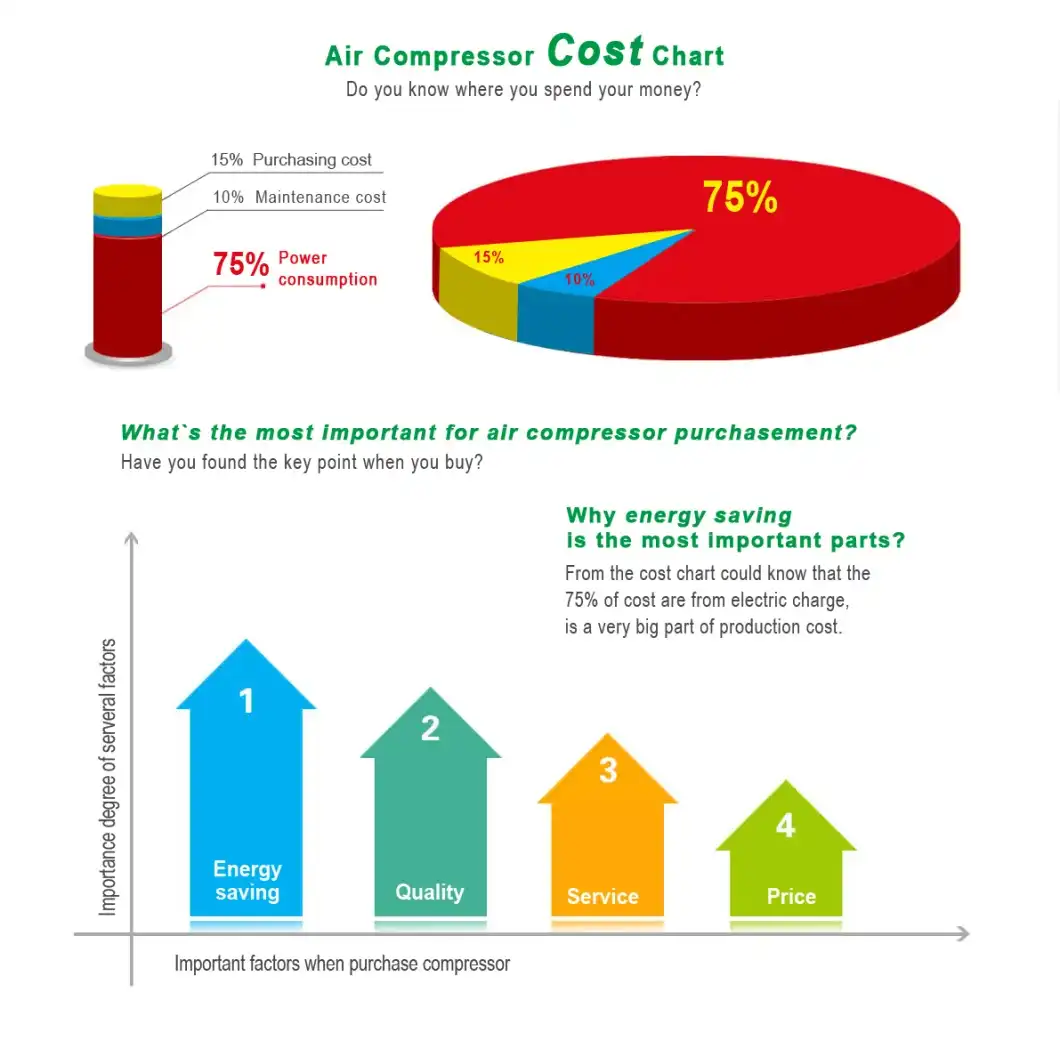
Types of Air Compressors
There are many types of Air Compressors available on the market. Learn which one is right for your needs and what makes one better than another. Find out more about Single-stage models, Oil-free models, and Low-noise models. This article will explain these types and help you decide which one you need. You can also learn about Air Compressors that have single-stage compressors. If you are looking for a high-quality compressor, this article will help you choose a unit.
Air Compressors
Air compressors work by forcing atmospheric air through an inlet valve. As the piston moves down, it pulls atmospheric air into the chamber. As the piston rises, it forces the compressed air out of the cylinder through an exhaust valve. One of the most common types of air compressor is the reciprocating type. Another type of compressor is a single-stage piston. These types of compressors compress air in one stroke – equivalent to the complete rotation of the piston’s crankshaft.
These devices change electrical or mechanical energy into pressurized air. When air is compressed, its volume decreases, increasing its pressure. Air compressors typically have a minimum pressure of 30 bars. The lower pressure band is the range of air pressure. Most compressors are controlled separately, but network controls can be used to interconnect multiple compressors. This type of controller will not work for all types of compressors. There are other types of air compressors that can communicate with each other.
Compressed air has multiple applications in all kinds of industries. In agriculture, it can power pneumatically powered material handling machines for irrigation and crop spraying. Dairy equipments also use compressed air. Compressors are also used in the pharmaceutical industry for mixing tanks, packaging, and conveyor systems. Portable air compressors, which can be powered by diesel fuel, are frequently used at remote drilling sites. Portable air compressors are also commonly used in oil and gas. They can be used to remotely control valves and install reactor rods.
Whether you use an air compressor for agricultural purposes or in a manufacturing setting, there are some features to consider when choosing an air compressor for your needs. A good compressor will have a safety device. It will automatically shut off the input air and output air once sufficient compressing has been achieved. These features will help your air compressor remain efficient and protect your equipment. The safety device is an important feature of any air compressor to increase its overall efficiency.
Vane air compressors are the most common type. They are generally smaller and less powerful than reciprocating piston compressors, so you can use one of these for applications that are under 100 horsepower. The vane air compressors have low compression ratios and high capacities, but they are generally limited to low-power applications. Vane compressors tend to run hot, and they typically have a low compression ratio. It is important to choose the correct oil viscosity for your compressor.
Single-stage models
When comparing single-stage air compressors, look for the term “stages.” Multi-stage compressors use two stages and can handle more capacity and pressure. One stage involves pressurizing air using a piston and a lower-pressure cylinder. This compressed air is then moved to a storage tank. Single-stage models tend to be more energy-efficient than their two-stage counterparts. But if you don’t need a high-pressure cylinder, a single-stage air compressor can be the best choice.
Although single-stage air compressors produce less power, they can produce enough air to power pneumatic tools and other pneumatic equipment. These single-stage units are most useful for smaller-scale home projects and DIY projects. For more industrial purposes, a dual-stage model is the best choice. But if you’re in a hurry, a single-stage unit may be sufficient. Ultimately, it depends on what you plan to do with the air compressor.
Single-stage air compressors feature a single cylinder, one piston stroke for each revolution of pressurized air. Single-stage compressors are typically smaller and more compact, making them a good choice for smaller work environments. Their cfm capacity (cubic feet per minute) is an important indicator of operating capacity. If you plan to use multiple pneumatic tools, you will probably need a higher cfm model. Similarly, the horsepower of single-stage compressors indicates its working capacity. One horsepower moves 550 pounds per foot per minute.
Multi-stage air compressors are generally more expensive and more energy-efficient than single-stage units, but they can offer higher air flow rates. While they may be more complex, they can lower general operating expenses. If you plan on using your air compressor for industrial or commercial use, a dual-stage model might be the best choice. However, if you’re planning to use the air compressor for mass production, a single-stage model may be the best choice.
Single-stage air compressors have the same piston size and number of inlets, while dual-stage models have a smaller first piston and a much longer second piston. Both have a cooling tube in between the two pistons to reduce the air temperature before the second round of compression. The single-stage model is typically small and portable, while the double-stage air compressor is stationary. These compressors can both be stationary and large.
Low-noise models
Despite its name, low-noise models of air compressors are not all the same. The noise level of a compressor can be affected by several factors, including the power source and proximity to the machine. Reciprocal compressors are generally louder than electric ones because of their many moving parts. By contrast, rotary-screw and scroll compressors have fewer moving parts and are quieter.
The noise level of a gas-powered air compressor can be extremely high, making it unsuitable for use indoors. To combat this problem, you can choose an electric model. The noise level of a compressor is primarily caused by motor friction. The cover of a piston is also a major factor in noise, as pistons with minimal covers will produce a lot of noise. Previously, oil was required for a quiet compressor. However, this has changed thanks to the medical industry’s demand for oil-free models.
The CZPT EC28M Quiet Air Compressor is another model that features quiet operation. This air compressor makes 59dB of noise. This level is low enough to allow you to carry on normal conversations while it cycles. In addition, this compressor has an industrial oil-free pump and a 2.8 Amp direct-drive induction motor. These two features make it a great choice for businesses.
Low-noise models of air compressors are available for the construction industry. However, these compressors are not necessarily low-quality, which is why you should consider the noise level of your air tool before purchasing one. The specialists at CZPT can recommend the low-noise models for your particular application and space. Noise can distract people who work near the air compressor. That is why many businesses now opt for these models.
Oil-free models
A number of oil-free models of air compressors are available, but what makes them special? Oil-free compressors don’t contain oil, so they’re lubricated by grease instead. They’re a good choice if you’re working with a small compressor and don’t want to risk damaging it. On the other hand, oil-free models do generate significant amounts of heat, which can damage the compressor. Higher pressure can grind the compressor against itself, or even warp it.
A few words of knowledge can help you choose the best oil-free air compressor for your needs. For example, a compressor’s horsepower is a measurement of how powerful the motor is. Higher horsepower means a higher PSI or ACFM. You can also use the ACFM to compare the two. Scroll technology is a modern air compression system that uses a stationary and mobile spiral. This reduces the volume of air in the compressor by directing it to the center.
Purchasing an oil-free air compressor doesn’t have to be a daunting task, though. A good distributor can advise you on what type of oil-free air compressor is right for you. This way, you can save money and enjoy peace of mind while using your air compressor. And, of course, the best way to get a great deal on an air compressor is to speak to a distributor who is knowledgeable about the products available.
An oil-free air compressor is a great option for businesses that are sensitive to the contamination of air. For example, in the pharmaceutical and food industry, a minuscule oil could spoil a product or even damage production equipment. Oil-free air compressors generally have lower maintenance costs than oil-flooded models because there are fewer moving parts. Because of this, oilless air compressors require fewer maintenance and may still need to be replaced occasionally.
A few advantages of an oil-free air compressor over an oil-lubricated one include lower noise levels. Oil-free air compressors tend to be less noisy and run more quietly than oil-injected ones, but you should still carefully weigh the pros and cons before making a decision. Also, consider how much you use your air compressor before choosing a model. The pros outweigh the cons. In the end, you’ll be glad you chose an oil-free air compressor.
editor by Cx 2023-07-12
China wholesaler 150 CZPT CE Approved Car Air pump 12v Car Air Compressor supplier
Year: Universal
Model: Universal
Voltage: 12V
Car Fitment: Universal
Max Pressure: 101-150Psi
Size: 33*15*23cm
Model Number: W2026 Car air Compressor
Warranty: 1 Years
Function: Emergency Light, Power Indicator, Tire Pressure Monitor
Certification: ce
Cylinder size: 60mm Car air Compressor
Air flow: 160L/min
Max.pressure: 150PSI
Color: can be choice
Power supply: DC 12V
Rated current:: 45A
Warranty:: 1 Years
Packaging Details: Color box with foam & carry bag. Standard export carton. air Compressor
Port: HangZhou or ZheJiang
Specification
| Voltage | 12V |
| Model Number | W2026 |
| Warranty | 12Months |
| Function | Emergency Light, Power Indicator, Tire Pressure Monitor |
| Cylinder size | 60mm Mini air Compressor |
| Color | can be choice |
| Max.pressure | 150PSI |
| Air flow | 160L/min |
| Power supply | DC 12V |
| Warranty: | 12 months |
| Function | Tire inflator |
Choosing the Right Air Compressor For Your Home
You will find that air compressors are indispensable tools for a variety of situations, including garages, home workshops, and basements. These tools can power a variety of tools, and each model is sized to suit the job at hand. Because air compressors have only one motor, they are lightweight, compact, and easy to handle. Using one air compressor to power several tools will also reduce the wear and tear on individual components. This article will introduce some important characteristics to look for when choosing the right air compressor for your home.
Positive displacement
A positive displacement compressor applies pressure to a fluid, whereas a centrifugal one does the opposite. A positive displacement compressor creates the desired pressure by trapping air and increasing its volume. Its discharge valve releases the high-pressure gas. These compressors are used in industrial applications and nuclear power plants. The difference between a positive and negative displacement compressor is that a positive displacement compressor can compress and release air at a consistent rate.
A positive displacement air compressor uses a reciprocating piston to compress air. This reduces the volume of the air in the compression chamber, and a discharge valve opens when the pressure reaches the desired level. These compressors are used in bicycle pumps and other pneumatic tools. Positive displacement air compressors have multiple inlet ports and have several configurations. Positive displacement air compressors have a single-acting and double-acting piston, and can be oil-lubricated or oil-free.
A positive displacement air compressor is different from a dynamic compressor. It draws air into the compression chambers and then releases the pressure when the valve is opened. Positive displacement compressors are common in industrial applications and are available in single-acting, double-acting, and oil-lubricated models. Large piston compressors have ventilated intermediate pieces and crossheads on gudgeon pins. Smaller models have permanently sealed crankcases with bearings.
Oil-free
Oil-free air compressors have some advantages over their oil-lubricated counterparts. They do not require lubrication oil because they are coated with Teflon. The material has one of the lowest coefficients of friction and is layered, so it slides past other layers with little effort. Because of this, oil-free compressors tend to be cheaper and still deliver comparable performance. Oil-free compressors are a good choice for industrial applications.
The life of an oil-free air compressor is significantly longer than an oil-lubricated counterpart. These models can operate up to 2,000 hours, four times longer than the average oil-lubed compressor. Oil-free compressors also have a significantly lower operating noise than their oil-lubricated counterparts. And because they don’t need oil changes, they are quieter. Some even last up to 2,000 hours.
An oil-free air compressor is a good choice if your application requires high levels of purity. Several applications require ultra-pure air, and even a drop of oil can cause product spoilage or damage to production equipment. In addition to the health risks, an oil-free air compressor reduces the costs associated with oil contamination and minimizes leaks. It also eliminates the need for oil collection, disposal, and treatment.
A typical oil-free air compressor is very efficient, requiring only about 18% of the full load horsepower. However, oil-free compressors have a higher risk of premature failure and are not recommended for large-scale industrial applications. They may also use up to 18% of the compressor’s full capacity. They may sound appealing, but you must make sure you understand the benefits of an oil-free air compressor before choosing one for your industrial applications.
Single-stage
A single-stage air compressor is designed to provide the power for a single pneumatic tool or device. These machines are generally smaller than two-stage compressors and produce less heat and energy. These machines aren’t designed for heavy-duty industries, but they are still highly effective for a variety of applications, including auto shops, gas stations, and various manufacturing plants. They can also be used in borewells, as they are suitable for small spaces with low air flow requirements.
A single-stage air compressor has one cylinder and two valves – the inlet and the delivery valves. Both of these valves function mechanically, with the inlet valve controlling torque and the delivery one controlling air pressure. Generally, single-stage compressors are powered by a gas engine, but there are also electric models available. The single-stage air compressor is the most common type of air compressor. It has a single cylinder, one piston, and one air cylinder.
The single-stage air compressors are used for small projects or personal use. A two-stage air compressor is more effective for industrial projects. Its longer air end life makes it more efficient. It is also more efficient for use in the automotive industry, where the engine has many cylinders. In general, single-stage compressors require a higher power level. The single-stage model is ideal for small projects, while a two-stage one is suitable for larger-scale arsenals.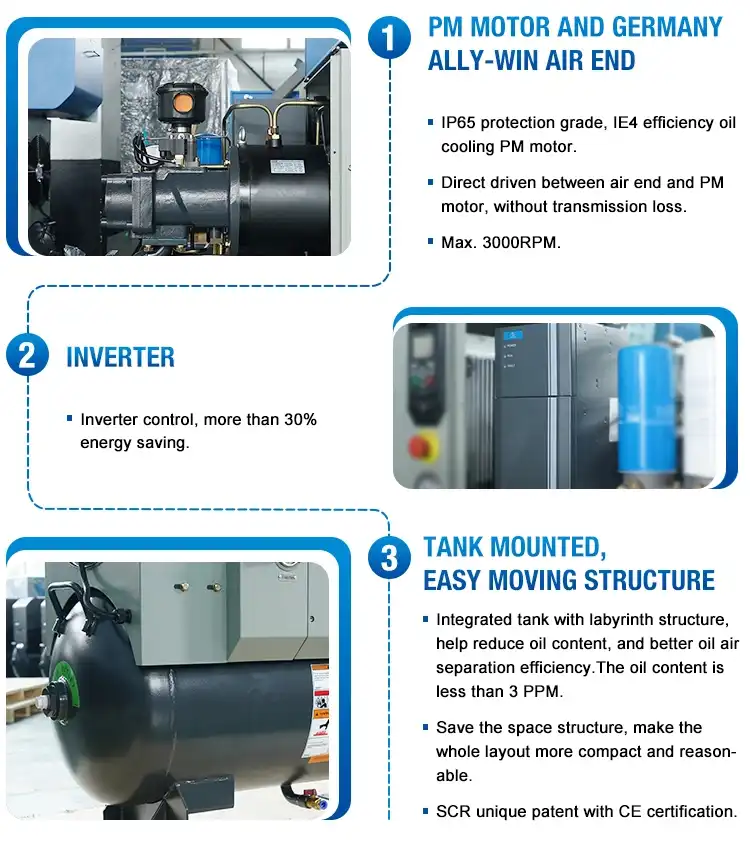
CFM
The cubic foot-per-minute (CFM) of an air compressor is the output of the machine. In order to calculate the CFM level, start by looking at the compressor’s specifications. You should know how many cubic feet the unit can hold and how many pounds per square inch it can compress. Once you have these information, you can calculate the CFM. Now you can use these numbers to select an appropriate air compressor for your needs.
The most common way to increase the CFM of an air compressor is to turn the regulator down. By turning the dial down, the air compressor will produce more than 10 CFM. You can also try connecting two output valves. Make sure that the settings are adjusted properly before you begin. This will ensure that your air compressor is functioning at its maximum efficiency and lifespan. To increase the CFM of your air compressor, first check that your regulator is calibrated for the desired pressure level.
To calculate the CFM of an air compressor, first determine the tank volume of the machine. Then, multiply this volume by the time it takes to fill the tank. Then, divide the result by 60 seconds to calculate the CFM. Once you know how much air your machine can hold, you can choose a suitable air compressor. If you’re working in a confined area, you should buy a tool with a large tank.
PSI
The PSI of an air compressor is the pressure that it can output. A typical air compressor has a gauge connected to the airline at the bottom, next to it, or between the two. The gauge tells the actual pressure of the air compressor, while the cut-out pressure is determined by the manufacturer. The manufacturer recommends that you set the cut-out pressure twenty to forty PSI higher than the factory recommended pressure. If you want to set the pressure for your nail gun, you can use the cut-in and cut-out pressures on your compressor, and the tank won’t exceed this range.
The PSI of an air compressor measures the force that it can deliver, which is often in pounds per square inch. For most air tools, you need at least forty to 90 psi. In general, reciprocating air compressors work on an on/off basis. This relationship is known as the duty cycle. All air compressors are rated for a particular duty cycle, such as fifty percent on and twenty-five percent off.
The Psig of an air compressor is not free, as many people believe. The PSI of an air compressor is not free, but it is essential to maintain it for safe operations. If you’re having trouble maintaining a consistent pressure, consider turning down the PSI of your compressor by 2 psig. This will determine the critical pressure for the machine. You’ll also increase the amount of energy in the system by one percent.
Power source
The power source for an air compressor is crucial in its operation. Without the correct voltage and amperage, air compressors will not function properly. The power source must be close to the compressor so that it can plug into an electrical outlet. If it is too far from the outlet, the compressor may not be able to build enough pressure. When this happens, the fuse inside the air compressor will turn off to protect the user. The power source should be a safe distance from the compressor.
Most manufacturers do not specify the power source for an air compressor. Depending on the horsepower, the compressor will require approximately four amps of power. A one-horsepower compressor would draw about twelve amps. If it were powered by a typical 120-volt household supply, its motor would exceed the 15-amp breaker capacity. A larger air compressor, however, will require a separate 15-amp power source, making it impossible to use it with this type of power source.
The power source for an air compressor is typically electrical alternating current (AC) that is equivalent to the voltage on a standard wall outlet. A three-phase air compressor, on the other hand, requires a special AC supply with three electrical offset pulses. Regardless of the type of air compressor, the power source must be compatible with the incoming power service. One of the most common problems when attempting to connect an air compressor to an AC power source is undersized wire. This results in low voltage and high amperes, tripping of over-load relays and blown fuses.
editor by Cx 2023-07-11
China Hot selling Agricultural Machinery Nonstandard Made-to-Order or Plw Plywood Case Zinc-Plated Sprocket supplier
Product Description
Agricultural Machinery Nonstandard MADE-TO-ORDER Or PLW Plywood Case Zinc-Plated Sprocket
Product Description
1. Produce strictly in accordance with ANSI or DIN standard dimension
2. Material: C45 steel / Stainless Steel 304 & 316
3. Standard: ANSI, DIN, JINS, ISO, Standard America or customer drawing
4. Bright surface and high precision
5. Advanced heat treatment and surface treatment craft
6. Best quality and competitive price.
7. Welcome OEM / ODM
8. Application: Sprocket is mainly used in agricultural machinery, conveying machinery, mine mining machinery, construction machinery, mechanical transmission equipment of oil and so on.
9. Processing equipment: Hobbing machine, Slotting machine, CNC lathes and other equipment.
10. Sprocket models: Contains special sprocket according to customer’s drawings, standard sprocket (American standard and metric).
| Product name | Zinc-Plated Industry Sprocket (Applied in pump motor) |
| Materials Available | 1. Stainless Steel: SS304, SS316, etc |
| 2. Alloy Steel: C45, 45Mn, 42CrMo, 20CrMo, etc | |
| 3. OEM according to your request | |
| Surface Treatment | Zinc-plated, Heat treatment, Quenching treatment, High frequency normalizing treatment, Polishing, Electrophoresis paint processing, Anodic oxidation treatment, etc |
| Characteristic | Fire resistant, Oil resistant, Heat resistant, CZPT resistance, Oxidative resistance, Corrosion resistance, etc |
| Design criterion | ISO DIN ANSI & Customer Drawings |
| Size | Customer Drawings & ISO standard |
| Application | Industrial transmission equipment |
| Package | Wooden Case / Container and pallet, or made-to-order |
| Certificate | ISO9001: 2008 |
| Advantage | Quality first, Service first, Competitive price, Fast delivery |
| Delivery Time | 20 days for samples. 45 days for official order. |
View more products,please click here…
Company Profile
| Standard Or Nonstandard: | Nonstandard |
|---|---|
| Application: | Machinery, Marine, Agricultural Machinery, Pump Motor |
| Hardness: | Hardened Tooth Surface |
| Manufacturing Method: | Cut Gear |
| Material: | Alloy Steel/Stainless Steel |
| Type: | Sprocket |
| Samples: |
US$ 0/Piece
1 Piece(Min.Order) | |
|---|
| Customization: |
Available
|
|
|---|
what to see in an air compressor
If you need to buy an air compressor, you should know what to look for. The types of air compressors on the market are classified according to their CFM rating, safety devices, and pumps. There are several differences between lubricated and oil-free air compressors that you should know before buying. To better understand the difference between these types of air compressors, read on. This article will guide you through these differences.
Pump
If you are looking for a quality air compressor, you have come to the right place. A good air compressor pump will provide high pressure for anything from tires to boats and more. There are hundreds of different models to choose from, and the great thing about buying one from a Chinese manufacturer is that they have so many options. More importantly, Chinese manufacturers can customize air equipment such as air compressors at low prices.
A good quality air pump won’t break easily, but you’ll be able to use it for years. Choosing a high-quality pump will help you avoid many hassles on the road, such as unplanned downtime and installation costs. Plus, a pump from the same manufacturer as your air compressor is your best bet to ensure optimum performance. Listed below are some tips for finding a quality pump for your air compressor.
The air compressor is an important but unremarkable invention. Without them, our lives would be completely different. Without a pump, we can’t get hot water from central heating, nor can we get heat from the refrigerator. We can’t inflate bicycle tires, and we can’t refuel cars. Pumps are vital to all kinds of machines. So why is it important to choose the right product? The answer may surprise you.
Different types of pumps are used for different applications. Positive displacement pumps move a fixed volume of fluid and direct it to a drain. This design ensures constant flow at a constant speed regardless of discharge pressure. Centrifugal pumps work differently. The impeller accelerates the fluid, converting the input energy into kinetic energy. This type of pump is most commonly used in mines, air conditioning, industrial plants, and flood control.
safety equipment
There are several safety features you should check when using an air compressor. First, check the connection of the air filter to the air. If they come loose, parts may separate and cause injury. Another important safety feature is the shut-off valve. When working near compressed air, the shut-off valve should be within easy reach and visibility. Moving parts and other equipment must be protected with protective covers. Check safety valve and replace damaged parts.
Rupture discs are copper discs located on the air cooler. When the air pressure exceeds a certain limit, it bursts. Fusible plugs contain materials that melt at high temperatures. The compressor should have a lubricating oil pressure alarm and cut off the trip signal. If these two safety devices fail, the compressor should be stopped immediately. The rupture disc should be inspected at least weekly to ensure it does not rupture under pressure.
If the pressure level is too high, and overcurrent protection device cuts power to the motor. It also automatically shuts off the compressor when the hose ruptures or the air volume exceeds a preset level. The device should be installed on the air compressor to prevent accidents. Its job is to protect the operator from harm. If employees do not follow these safety measures, they may cause equipment damage.
To ensure safety when operating the air compressor, safety glasses and gloves should be worn. Pressurized air can cause eye injury, and crash goggles can provide a barrier to prevent this. Additionally, the self-retracting cord prevents trip hazards and reinforces excess cord. You should also keep your hands and body away from the air nozzle. This will prevent you from being sprayed with compressed air.
CFM Rating
An air compressor’s PSI and CFM ratings indicate the pressure and volume it can deliver. PSI stands for pounds per square inch and measures the force and pressure contained in one square inch of air. These two indicators are equally important when choosing an air compressor. If you need a lot of compressed air for a specific application, you will need a higher psi compressor. Likewise, if you are using compressed air in a smaller application, a low cfm compressor will not provide enough power to meet your needs.
When comparing different air compressors, be sure to pay close attention to horsepower and CFM ratings. While compressor power is essential for some tasks, it is not the most important aspect. The CFM rating of an air compressor will determine how big a project it can handle and how long it takes to charge. Make sure you understand the CFM and PSI ratings of your future compressors, as not knowing these important statistics can frustrate you and drive up costs.
In general, it is best to choose an air compressor with a CFM rating higher than the size of the air tool. This will ensure that the air compressor has enough pressure to work multiple tools efficiently at the same time. While smaller CFM ratings may be sufficient for smaller projects, larger tools such as drills require a lot of air. Therefore, the higher the CFM, the larger and more powerful the tool.
Once you understand the CFM of an air compressor, you can start looking for the right tool. You can check the CFM rating of your air compressor online by commenting below. If you’re not sure about the size of your air tool, you can always buy a second air compressor. This is a great way to double the CFM of your air compressor! You’ll have more air to do more work, and your compressor will last longer.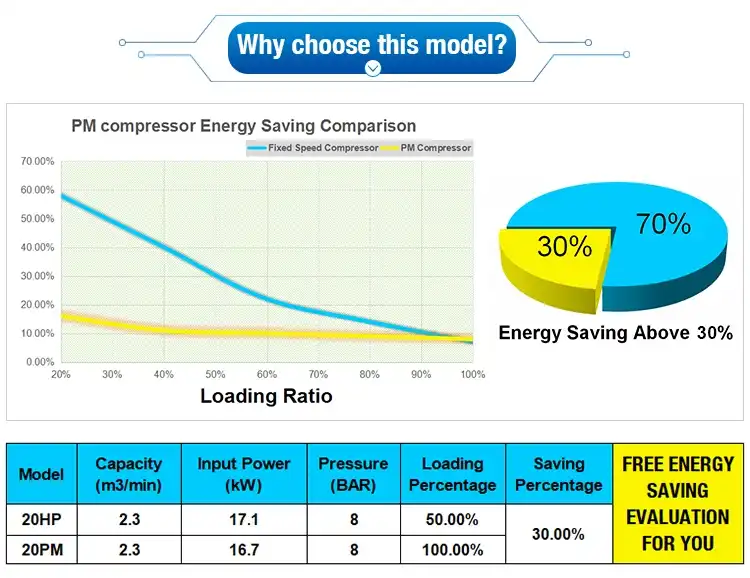
Lack of oil and lubrication
Oil-free air compressors have a smaller footprint and require less maintenance than oil-lubricated air compressors. Although oil-lubricated air compressors are more expensive and heavier than oil-free air compressors, they are also ideal for stationary use. The benefits of oil-free air compressors include greater durability and lower maintenance costs. The advantages and disadvantages of each type are discussed below.
Oil-free air compressors are generally quieter than oil-lubricated air compressors. However, you may still experience some noise while using it. To avoid this, you should choose a quiet intake compressor. However, if you work next to a noisy compressor, you should buy a muffler, an aftermarket filter that reduces compressor noise.
If you want to use the air compressor for a long time, the oil-free model is not the right choice. Its Teflon coating wears off over time, especially at extreme temperatures. Additionally, oil-free air compressors have a large number of moving parts that require regular maintenance, while oil-filled air compressors are great for those who don’t want to invest in extra parts.
Another major difference between oil-free and oil-lubricated air compressors is lubrication. Oil-lubricated air compressors require regular lubrication whereas oil-free air compressors are pre-lubricated. They have fewer parts and are cheaper. Oil-free air compressors are lighter than oil-lubricated air compressors. In addition to being more affordable, oil-free air compressors are more powerful and durable.
While oil-filled air compressors are more efficient and durable, they generate a lot of heat. However, they are also more expensive and require regular oil changes. Furthermore, they are difficult to transport. They also need to be permanently installed. These air compressors are also not portable and require a fixed location. So, consider your needs before deciding which type is best for you. When you’re choosing an air compressor for your business, be sure to shop around.
noise level
If you are wondering what the noise level of an air compressor is, the answer depends on your specific equipment and working environment conditions. Typically, air compressors produce 40 to 90 decibels of noise. Although the lower the decibel level, the quieter the compressor will be. Larger, more powerful air compressors produce higher noise levels than their little brothers. But no matter how big the air compressors are, it’s a good idea to wear hearing protection while working around them.
When purchasing a new air compressor, the noise level of the air compressor should be considered. While this may seem like a small problem, there are actually a lot of variations on these noisy machines. The most common type of air compressor is the reciprocating piston pump. This model uses pistons similar to an engine to rotate inside a chamber. The piston moves quickly and traps air proportional to its size. Single-piston air compressors are generally noisier than twin-piston models, also known as twin cylinders.
But even if you have the proper equipment to protect your hearing, it’s still important to know the noise level of an air compressor. Even if the noise is not immediately dangerous, it can still cause temporary or permanent hearing loss. This condition is called noise-induced hearing loss, and an air compressor with a sound level of 80 or higher can cause permanent hearing damage. You can avoid potential damage to your hearing and prevent accidents by simply paying attention to the noise level of your air compressor.
Air compressors are inherently noisy, but if you take steps to reduce their noise levels, you can minimize disruption to neighbors and co-workers. For example, installing a sound enclosure in your work area can prevent your air compressor from making as much noise as before. Depending on your workspace, you can also try installing a long air hose, which will reduce sound levels by up to 25%.
editor by CX 2023-07-07
China best 14 m3 10 bar 175 CZPT Tire Engine Driven Screw Air Compressor on Four Wheels air compressor portable
Applicable Industries: Advertising Company, Building Material Shops, Construction works , Energy & Mining, Farms, Food & Beverage Factory, Food & Beverage Shops, Food Shop, Garment Shops, undercarriage track link assembly excavator chain crawler accessories chain track Machinery Repair Shops, Manufacturing Plant, Printing Shops, Restaurant, Retail
Showroom Location: Argentina, Egypt, Indonesia, Japan, Malaysia, RV worm gear electric motor speed reducer with high quality drive power transmission nmrv box motor 3 phase gearbox South Africa, Sri Lanka, United Kingdom, United States
Condition: New
Type: Screw, Directly driven
Configuration: Stationary
Power Source: AC POWER
Lubrication Style: Lubricated
Mute: Yes
Model Number: SCR30PM, SCR40PM, SCR50PM
Voltage: 380(400,415)V/50Hz/3Phase, 220V/60HZ/3P
Dimension(L*W*H): 1200*800*1100mm
Weight: 450-1280kg
Warranty: 1 Year
Working Pressure: 10 bar, TS 10 series Stainless steel Spring type Bellows Coupling 6 bar, 7 bar, 8 bar
Machinery Test Report: Provided
Video outgoing-inspection: Provided
Marketing Type: New Product 2571
Warranty of core components: 2 years
Core Components: Bearing, Engine, Gear, Gearbox, Motor, PLC, Pressure vessel, long life Sprocket Hob 6.353.3 A and low noise Spiral flute hobSolid hob Pump
Gas Type: Air
Color: Blue
Power(KW): 22-75
Porsepower(HP): 30-100
Capacity(m3/min): 1.06-11.8
Presssure(BAR): 7/8/10
Size: RC1,R1/1/2
Protection Grade: IP65
Operating Ambient Temp: 1-45℃ {28.8℉-114℉}
Cooling method: Air Cooling
Port: ZheJiang
| Model | KW | HP | Capacity(m3/min) | Pressure(bar) | Dimension(mm) | Weight | Size |
| SCR30PM-7 | 22 | 30 | 1.06-3.7 | 7 | 1200*800*1100 | 450 | RC1 |
| SCR30PM-8 | 1.04-3.6 | 8 | |||||
| SCR30PM-10 | 0.8-3.2 | 10 | |||||
| SCR40PM-7 | 30 | 40 | 1.3-5.2 | 7 | 1200*800*1100 | 480 | RC1 |
| SCR40PM-8 | 1.25-5.0 | 8 | |||||
| SCR40PM-10 | 1.1-4.2 | 10 | |||||
| SCR50PM-7 | 37 | 50 | 1.6-6.4 | 7 | 1300*950*1270 | 610 | RC1 1/2 |
| SCR50PM-8 | 1.6-6.3 | 8 | |||||
| SCR50PM-10 | 1.4-5.6 | 10 | |||||
| SCR60PM-7 | 45 | 60 | 1.83-7.3 | 7 | 1300*950*1370 | 650 | R1 1/2 |
| SCR60PM-8 | 1.8-7.2 | 8 | |||||
| SCR60PM-10 | 1.8-7.1 | 10 | |||||
| SCR75PM-7 | 55 | 75 | 2.7-10.2 | 7 | 1800*1200*1550 | 1230 | RC 2 |
| SCR75PM-8 | 2.5-10.1 | 8 | |||||
| SCR75PM-10 | 2.1-8.4 | 10 | |||||
| SCR100PM-7 | 75 | 100 | 3.5-13.3 | 7 | 1800*1200*1550 | 1280 | RC 2 |
| SCR100PM-8 | 3.2-12.9 | 8 | |||||
| SCR100PM-10 | 2.9-11.8 | 10 |
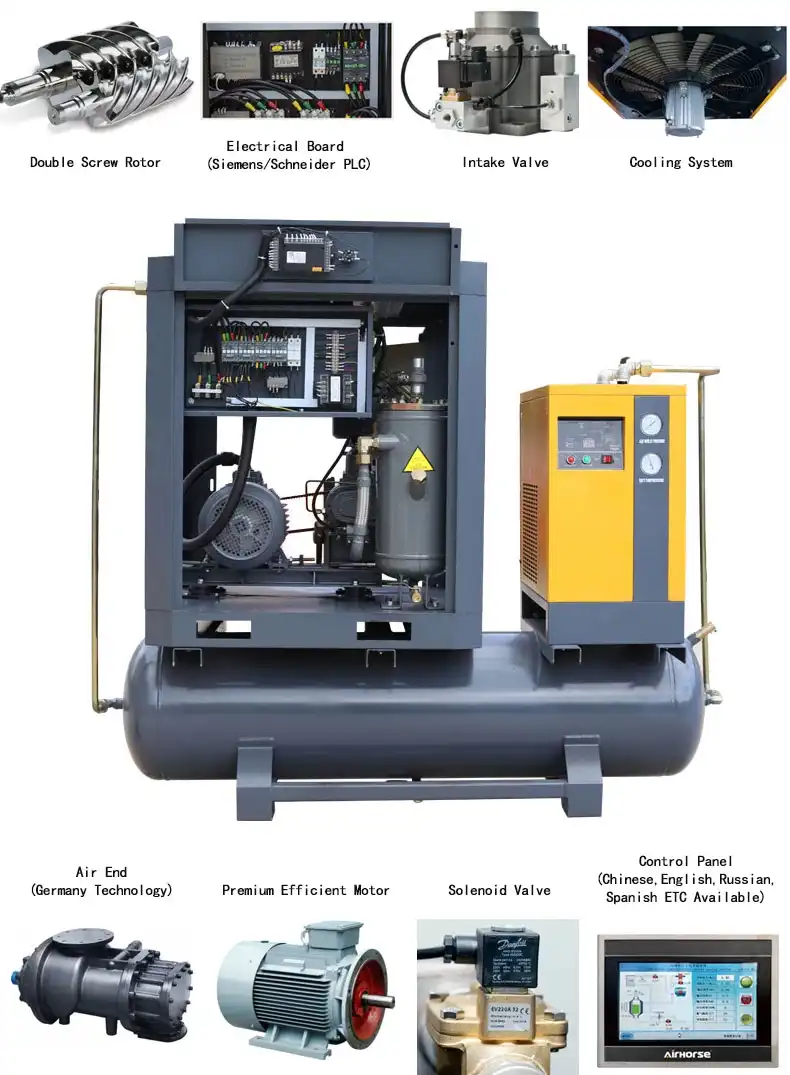
The Air Compressor Is a Versatile Tool
The Air Compressor is one of the most versatile tools in any garage or workshop. It is easy to use and can perform a variety of tasks, from jackhammering to drilling. These machines are available in a wide variety of sizes and types, making it an excellent choice for a variety of situations. With a single motor, you no longer need separate motors for each tool. Its lightweight, compact design makes it easy to handle, and the single motor also reduces wear on parts.
Oil-injected
Oil-injected air compressors require a large amount of lubricant, which needs to be added to the sump regularly to maintain optimum performance. As there are many types of industrial fluids, a well-intentioned maintenance technician may add the wrong lubricant to the compressor. If this happens, the compressor will become incompatible with the lubricant, resulting in excessive carryover and the need to flush and replace downstream air treatment components.
Typically, the G 110-250 oil-injected rotary screw compressor from Atlas Copco provides reliable compressed air, preventing costly downtime. The G110-250 oil-injected rotary screw compressor is highly reliable and durable, enabling it to function in temperatures up to 46degC/115degF. Despite the oil-injected air compressor’s robust design, this unit requires very little on-site installation, and it features simple operation.
The primary advantage of oil-injected air compressors is the reduced cost of running. The cost of oil-free compressors is less than half of that of oil-injected ones, and it will require fewer maintenance costs in the long run. Moreover, the oil-free system is more environmentally friendly than oil-injected air compressors. But the drawbacks of oil-injected air compressors are substantial, too. It can contaminate finished goods and cause a significant financial risk for the manufacturer.
An oil-injected rotary screw air compressor offers several advantages over its counterpart. First, it features an innovative vertical design with variable-speed drive, allowing it to run more efficiently. Second, oil-injected air compressors reduce energy consumption by up to 50% compared to non-oil-injected air compressors. They also have a thermostatic valve, allowing them to maintain an optimum temperature. Thermostatically-regulated oil coolers allow the compressor to run more quietly.
Oil-free
What is an oil-free air compressor? The name refers to a type of air compressor that does not contain oil in the compressor chamber. Oil-free air compressors still use oil for various purposes, including lubricating the moving parts and managing waste heat. However, many people do not realize that their air compressor still requires oil for proper functioning. This article will explore why this type of air compressor is preferable for many users.
First of all, oil-free air technology has many benefits. For one, it reduces the energy cost involved in filtering air, and it minimizes leaks. Moreover, it also reduces the oil costs associated with compressor refills. And finally, it reduces the risks of contamination. Oil-free air technology is the future of compressed air. If you’re looking for an oil-free air compressor, here’s what to look for in your search.
Depending on the purpose of your air compressor, it may be beneficial to invest in an oil-free air compressor. Oil-lubricated air compressors are generally more durable than their oil-free counterparts, but they may cost twice as much. You should still consider the cost of ownership before purchasing an oil-free compressor. The oil-free models can be easier to transport, and they are more powerful. Moreover, they’re quieter than oil-lubed models.
An oil-free air compressor also means less maintenance, as it doesn’t need oil to work. This type of air compressors also features fewer moving parts, which means fewer places for problems to develop. All oil-free air compressors are manufactured to meet ISO Class 0 and 1 air purity standards. They also have less noise and vibration compared to their oil-based counterparts. So, why not choose an oil-free air compressor for your business?
Gasoline
When choosing a gas-powered air compressor, it’s important to consider the advantages of gasoline. This energy source can power a large air compressor without electricity. However, this type of air compressor lacks electrical hookup, so you’ll need to run an extension cord if you need to use it at a distance. However, gas compressors are able to function with just a gas tank. This makes them ideal for medium to heavy-duty industrial applications.
Another important consideration when choosing a gas air compressor is its size. Larger compressors are typically larger than portable ones and require more space. This makes them easier to transport and operate on the go. However, if you’re not sure which type of air compressor is best for you, consider the gas-powered versions. While they may be lighter, they don’t run as smoothly as their electric counterparts. Gasoline-powered compressors are not as portable as their electric counterparts and require proper maintenance.
Electricity
Electricity in an air compressor is not cheap. A 25 HP air compressor runs for ten hours each day, five days a week. The motor in these machines consumes 746 watts per hour. To find out how much electricity the equipment uses, multiply the wattage by the running time. For example, if the compressor runs for three hours, then it will use 1.9 kilowatt hours of electricity. To determine how much electricity an air compressor uses per day, you can calculate the kilowatt hours and multiply the number by the utility rate. Considering this, you can determine the cost of running your air compressor once per month.
The cost of operating an air compressor depends on the type of compressor. Electric air compressors are often silent and can run without any maintenance. These tools can be left unattended for up to four thousand hours before requiring repair. Electric air compressors require higher power for higher pressure, so you should plan accordingly. Whether or not you need a maintenance visit is up to you, but the benefit of not having to spend a fortune on repairs is priceless.
Although compressed air is not an energy-efficient source, its use in a variety of applications may save you money and kilowatts. Since an air compressor uses power when it is running, the cost is lower than the cost of operating a power tool. If you plan to use your air compressor for a long time, make sure that it is maintained properly. Proper care will save you money and power, and you may even be able to get an extended warranty if the compressor breaks down.
Variable frequency drive
The main purpose of a variable frequency drive (VFD) in an air compressor is to reduce energy consumption in the process of compression. A single motor drag system cannot adjust its speed continuously according to the weight of the load. By applying frequency control to the compressor, the power consumption can be reduced while maintaining the same pressure level. Therefore, a VFD is an excellent choice for compressors. Its benefits are numerous.
A VFD can also monitor the temperature of the motor and send error signals if the motor is running too hot or too cold. This eliminates the need for a separate sensor to monitor the oil pressure. These functions are useful not only in lowering energy consumption, but also in improving the performance of an application. Moreover, a VFD can monitor additional variables such as temperature and motor speed. Hence, it is a useful investment.
When using a VFD, it is crucial to choose the right motor. The speed of the compressor should be within the maximum starting limit of the motor. The air tank may be of any size, but a constant pressure limit is required to keep the VFD running within the service factor of the motor. In addition to a VFD, a master controller should also include a remote pressure set point and a PID card for a master controller. The transmitter should incorporate all useful data from the VFD, including the speed and the oil temperature. The VFD must be tested before it is integrated with the master control. It should be tested for min and max speed, temperature, and current within the expected range.
The use of a VFD in an air compressor has many benefits. One of the most notable is the reduction in power consumption. Fixed-speed compressors run on set points of six to seven bar. An extra bar of compression uses 7 percent of energy. This energy is wasted. A VFD-powered air compressor can also increase the life span of compressor parts. It is one of the best investments in your compressor. So, why wait any longer?
editor by Cx 2023-07-07
China 12v 150psi Double Piston High Pressure Mini Air Compressor Car Tyre Pump Truck Tyre Air Compressor for Car Air mini air compressor
Applicable Industries: Other
Showroom Location: None
Condition: New
Type: Other
Configuration: PORTABLE
Power Source: DC Power
Lubrication Style: Oil-free
Mute: NO
Voltage: 12V
Weight: 14kgs
Warranty: 1 Year
Working Pressure: Other
Machinery Test Report: Not Available
Video outgoing-inspection: Not Available
Marketing Type: Other
Warranty of core components: Not Available
Core Components: PLC, Other, Pump
Gas Type: Air
Color: Silver and black
Application: Air System
Product name: Home Portable 12v Air Compressor
Pressure: 150psi
Power: 140W
Accessories: 2 nozzle adaptors nd 1 sports needle
Usage: Car Inflation
Noise: 60-65dB
Name: Oil-free Air Compressors
Packge: Color box with foam or nylon bag
Packaging Details: Products to be packed by foam and bag, with color box, chain drive differential with sprocket and cv shaft and the last we have the strong carton to protect them. 10 pieces for 1 carton
Product DetailsTwo Cyclinder Air Compressor Portable air compressor range in maximum working pressure from 50PSI to 150PSI. All portable compressor are equipped with hevy duty carry handle, deluxe carry bag, and an inflation tips kit for use with many inflatable items.
Product Introduction High Power Air Compressor -Voltage : DC 12V Power: 180W-Max Pressure : 150 PSI-With metal pressure gauge and 5M extendable coiled hose -Overprrof air hose with brass valve connector-Accessories : 2 noozle adaptors and 1 sports needle – P ackage : 1 pc / color box with foam or Nylon bagProduct Parameters
| Name | Specification | Brand | Material |
| 33mm round charooal | 33mm/40mm | SWIFT | 100% bamboo |
| 33mm round charooal | 33mm/40mm | SWIFT | 100% bamboo |
| 33mm round charooal | 33mm/40mm | SWIFT | 100% bamboo |
Equipment & undercarriage part for CZPT sk135 excavator 2404N271 segment group teeth drive chain sprocket wheel SK200 SK220 SK230 SK250 technology2, the quality of CZPT fuel and production is the biggest supplier in
Service3, stable product quality , supply, Lateefah Hot Sale Cheap Adjustable Luminous Couples Relationship Bracelet Handmade Rope Heart Star Key Bracelets the good faith management
Product Processing Product Packing Main Products DOUBLE CYLINDER AIR COMPRESSORDC12V 180W 150PSI
2 nozzle adaptors and 1 sports needle
Portable Double Cylider Air Compressor DC 12V 180w 150PSI2 nozzle adaptors and 1 sports needle
Hot Selling Metal Air Compressor DC12V 140PSI 3m cord wih cigarette lighter
1m hose, gauge, 3 nozzle adaptors
3 in 1 Metal Air CompressorDC12V 100PSI All metal cover with On/OFF switch10ft cord with cigarette lighter plugHead lamp, Flicker light
Heavy Duty Metal Air Compressor DC12V 200PSI 30AMPS
70L/MIN
HIGH POWER AIR COMPRESSORDC12V 100PSI95AMPS
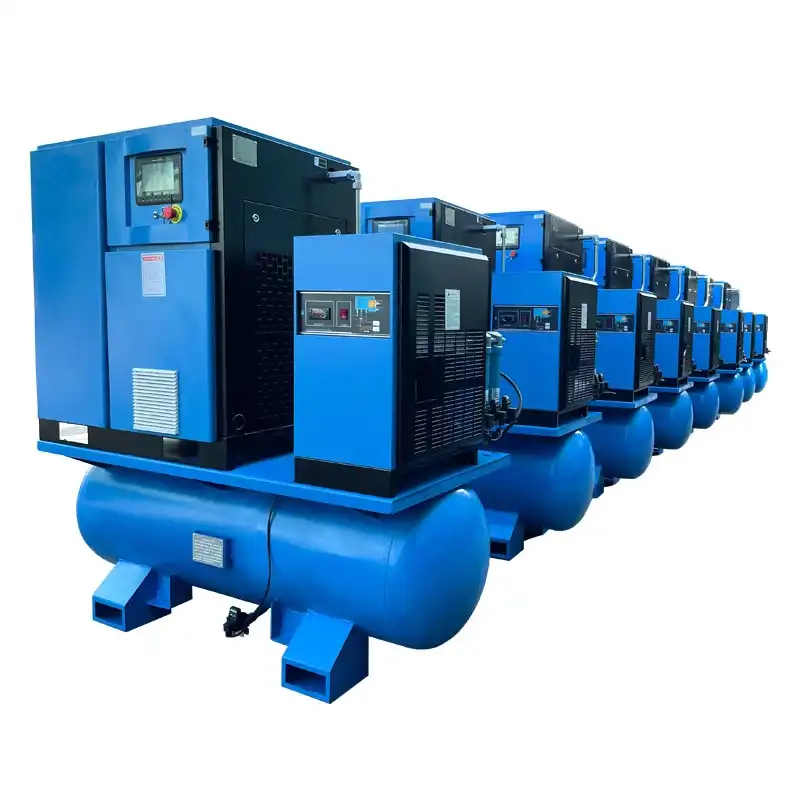
Choose an Air Compressor for Your Business
There are several factors to consider when choosing an air compressor for your business. One factor to consider is the type of compressor you are looking for, which may include single-stage, low noise, and positive displacement. Hope this article helps you make the right decision. After all, your business success will depend on this device! Let’s take a closer look at these factors. Also, consider what compressor manufacturers say about their products.
Positive displacement
Positive displacement air compressors compress air by drawing in a volume from an inlet and extruding it out of a chamber. This increases the pressure at which the gas can be pumped at rates that cannot be pumped through the outlet at lower pressures at higher mass flow rates. These types of compressors are available in single-acting and double-acting configurations. They are classified by the number of cylinders.
There are two different types of air compressors: reciprocating air compressors and screw compressors. Both are roll machines. Positive displacement air compressors use pistons and cylinders to compress air. The resulting air pressure builds up within the compressor housing, increasing the potential energy of the compressed air. Screw air compressors are the most popular positive displacement air compressors, which can be either single-stage screw-blade air compressors or multi-stage screw-blade oil-immersed screw air compressors.
Positive displacement flowmeters use a rotating measuring chamber to divide the fluid into discrete quantities. The number of times the chamber was refilled and emptied was used to estimate the total flow. However, positive displacement flow meters are prone to leaks, reducing the accuracy of the estimates. If a leak occurs, it can cause false readings and damage the compressor. However, leaks in positive displacement air compressors can reduce pressure.
The most common types of positive displacement air compressors are screw, reciprocating, and vane. Rotary positive displacement air compressors are also available as well as many other air compressors. Positive displacement air compressors are most commonly used in large manufacturing facilities. If you are considering an air compressor for commercial or industrial applications, it is imperative to understand how the components of the unit work. Please read the information below to learn more before deciding which application is best for you.
Positive displacement air compressors use a piston to force air into a chamber, compressing the air in the process. The piston moves in the opposite direction, thereby reducing the volume of the chamber. When the amount of air in the chamber reaches its maximum value, the valve opens, allowing it to escape at higher pressure. Positive displacement air compressors are generally less efficient than centrifugal compressors. However, they are still an excellent choice for a variety of applications.
Single-stage
The discharge pressure of the single-stage air compressor is used to control the operation of the compressor. Properly designed load/unload controls allow the air compressor to operate at its most efficient point while minimizing stress on the main engine bearings. Single-stage air compressors can approach variable speed efficiency with appropriate storage capacity. However, improper storage can cause premature bearing wear on the main unit. If this is the case, a single-stage air compressor may not be ideal.
A single-stage air compressor has only one cylinder, which means one stroke is required to move air from one cylinder to another. Pressure is measured in cubic feet per minute or CFM. Tank size is also important as a large single-stage air compressor may be required to operate multiple air tools. Single-stage air compressors can be used in a variety of applications and can last for years.
For the most common uses, single-stage air compressors are the most practical option. These devices work with most hand tools, from hammers to grinders. Single-stage air compressors are lightweight and easy to move. However, two-stage air compressors provide more CFM, making them a better choice for industrial or commercial use. However, two-stage compressors are not suitable for private use. Therefore, if your main purpose is DIY and craft projects, it is better to choose a single-stage air compressor.
Compared with two-stage air compressors, single-stage screw air compressors are cheaper. They come from a variety of manufacturers and range in power from 3 to 600 horsepower. Single-stage air compressors are a cost-effective solution for a variety of air compressor needs. They offer flexibility and multiple control methods, making them an excellent choice for many different applications. Therefore, when choosing an air compressor for your business, choose the one with the most suitable functions.
Single-stage air compressors are the most affordable and easy-to-use air compressors for small to medium jobs. They also have higher compression ratios. The compression ratio is the ratio of absolute discharge pressure to absolute inlet pressure. When calculating the ratio, it takes into account atmospheric pressure and gauge pressure. The compression ratio pushes the surface area of the rotor, which increases the thrust load.
Single-stage air compressors are smaller and easier to transport than two-stage units. Single-stage air compressors have one air intake, and two-stage air compressors have two air intakes. The difference between single-stage and two-stage air compressors largely depends on the number of times the air is compressed. A single-stage air compressor compresses the air once, while a dual-stage air compressor compresses the same amount of air twice.
low noise
Low noise air compressors are ideal for a variety of applications. While no air compressor is completely silent, some models are much quieter than others. For the Hitachi EC28M portable compressor, the noise level is 59 decibels. The compressor features steel rollers that protect the internal components and give it a sleek, modern look. It also has a one-gallon fuel tank and a half-horsepower drive.
Noise from air compressors can be distracting and reduce productivity. It is important to choose low-noise air compressors to keep employees healthy and happy at work. While noise is an unfortunate aspect of working on the shop floor, reducing it can improve productivity. By reducing distracting noise, employees can focus on their work and communicate more effectively. That means higher quality work and happier clients. If you’re looking for a low-noise air compressor, be sure to read the tips below.
Low noise air compressors are an excellent choice for businesses of all sizes. These powerful tools can run multiple tools simultaneously. The two water tanks are made of rust-resistant aluminum and are stackable. This air compressor is heavier and can handle large jobs with ease. It costs more than other air compressors, but it can handle a lot of work efficiently. CZPT Air Tools air compressors come with a one-year warranty and are highly recommended by contractors.
Noiseless air compressors are generally more expensive than comparable products, but they are worth the extra cost. Noiseless compressors are a good option for businesses that need to avoid disturbing nearby people. For example, you might want to consider a low-noise air compressor for a dental office, which cannot tolerate noise. Fortunately, this problem can be solved by relocating the compressor to a location that is more isolated from your workspace.
One brand of low-noise air compressors offers two models. The CZPT Air Tools 2010A features a large cast aluminum can, regulating pressure gauge, and two universal quick-connects. It produces 68 decibels of noise when it works. It has a large 8-gallon fuel tank capacity and has wheels and handles for easy transport. Its powerful engine produces a low noise level of 68 decibels.
Another popular low noise air compressor is the Makita MAC210Q Quiet Series. This model is capable of producing up to 71.5 decibels of sound, which is the amount of air it produces at 90PSI. The MAC210Q features a durable oil-free pump and weighs just 36 pounds with a handle and wheels. These compressors are easy to move and ideal for indoor work.
editor by Cx 2023-07-06